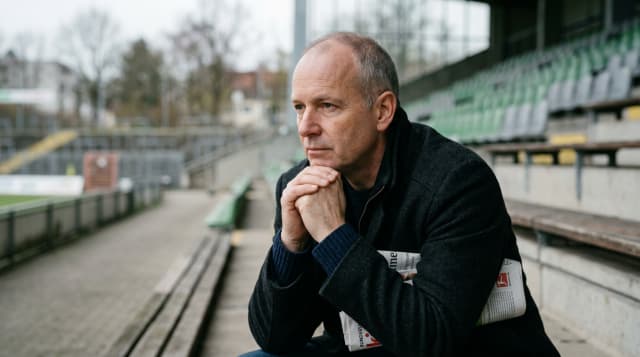
Germany Announces Squad for Women's Euro 2025, Aiming for Redemption
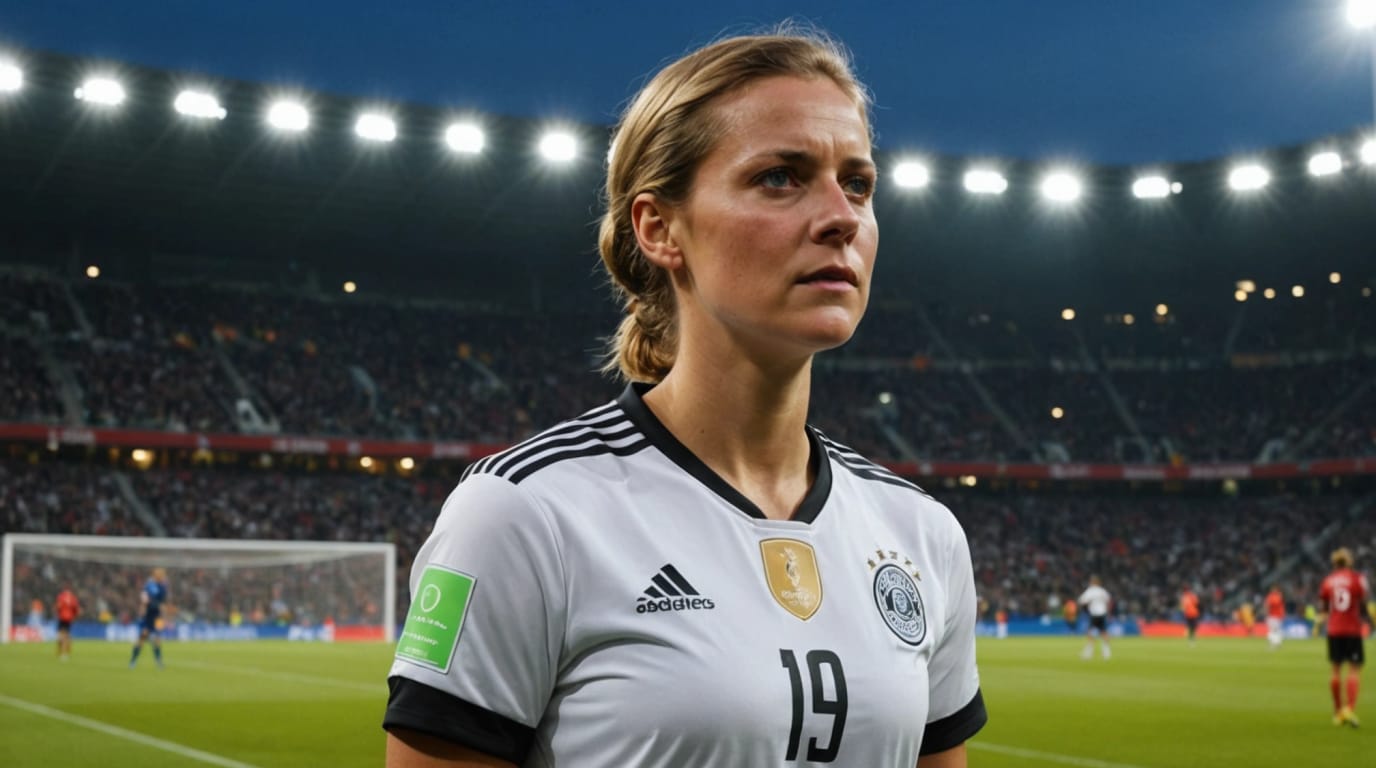
Germany has officially announced its 23-player squad for the UEFA Women's Euro 2025, set to be held in Switzerland next month. The team, coached by Christian Wück, is looking to improve upon their runner-up finish in the 2022 tournament, where they suffered a heartbreaking defeat against England in the final at Wembley. With a blend of experienced veterans and promising young talents, the German squad is determined to reclaim their status as a dominant force in European women's football.
Key Players and Notable Absences
The squad announcement brings both excitement and disappointment, as several key players will be absent from the tournament for various reasons. Veteran star Alexandra Popp retired from international football after last year's Olympics, leaving a significant void in the team's attacking prowess. Midfielder Lena Oberdorf, recognized as the best young player of the 2022 Euros, is also sidelined due to a lingering injury. Additionally, Nicole Anyomi, the Bundesliga's top scorer this season, will miss the tournament as she recovers from a knee injury.
Despite these absences, the squad boasts a strong core of experienced players. Giulia Gwinn of Bayern Munich will captain the team, bringing her leadership and versatility to both the defense and midfield. Other notable names include Bayern Munich's Lea Schüller, a prolific goal scorer, and Lyon midfielder Sara Däbritz, known for her playmaking abilities. Goalkeeper Ann-Katrin Berger, who plays for Gotham FC, will provide a steady presence in the net.
Wück's Selection Philosophy
Coach Christian Wück, who previously led Germany's youth teams to success, including U17 Euros and World Cup titles, has emphasized a blend of experience and youth in his squad selection. He believes that reaching the semi-finals is a realistic goal, while also anticipating that a surprise team could emerge during the tournament.
Wück's selection decisions have not been without controversy. Felicitas Rauch, a defender for North Carolina Courage, and Nicole Anyomi were not included in the squad, reportedly due to their previous criticisms of Wück's communication style. Wück addressed the decision to leave out Rauch, stating that he chose to prioritize a younger player, Franziska Kett, who impressed him in recent matches.
Promising Newcomers
The squad features seven players who are set to experience their first major international tournament. Among them is Cora Zicai, a 20-year-old forward who recently signed with Wolfsburg. Zicai is considered one of Germany's brightest young talents, having scored two goals in her first three national team appearances. Despite a recent superficial injury, doctors are confident that she will be ready to join the team's training camp on June 19. Other newcomers include Ena Mahmutovic, Franziska Kett, Sarai Linder, Janina Minge, Carlotta Wamser and Elisa Senss.
Road to the Championship
Germany is placed in a challenging group alongside Denmark, Sweden, and Poland. Their Euro 2025 campaign begins on July 4 with a match against Poland, followed by clashes with Denmark on July 8 and Sweden on July 12. The team will need to navigate this tough group to advance to the knockout stages and contend for the title.
Germany has a rich history in the Women's European Championship, having won the tournament a record eight times. However, their recent performances have been inconsistent. Following their loss in the 2022 final, they suffered their worst-ever World Cup result in 2023, failing to advance from the group stage. They rebounded to win the bronze medal at the 2024 Paris Olympics, providing a boost of confidence heading into the Euros.
WSL Representation
The squad includes two players from the Women's Super League (WSL) in England: Manchester City defender Rebecca Knaak and Chelsea midfielder Sjoeke Nüsken. Knaak, who made her senior debut in February, will be making her first appearance in a major international tournament. Nüsken, who played in 36 games for WSL champions Chelsea this past season, brings valuable experience and skill to the midfield. Former Chelsea goalkeeper Ann-Katrin Berger, and former West Ham defender Kathrin Hendrich, have also been selected by Wück.
Aiming for Glory
As Germany prepares for the Women's Euro 2025, the team is focused on redemption and reclaiming their place among the elite of European women's football. With a blend of seasoned veterans, promising young talents, and a determined coach, Germany is poised to make a strong run in the tournament. While the absence of key players like Popp and Oberdorf presents challenges, the team's depth and resilience will be crucial as they navigate a competitive group and strive for glory in Switzerland. The ultimate goal is clear: to bring home the trophy and add a ninth European Championship title to their illustrious history.