Germany Boosts Military Aid to Ukraine Amidst Intensified Conflict
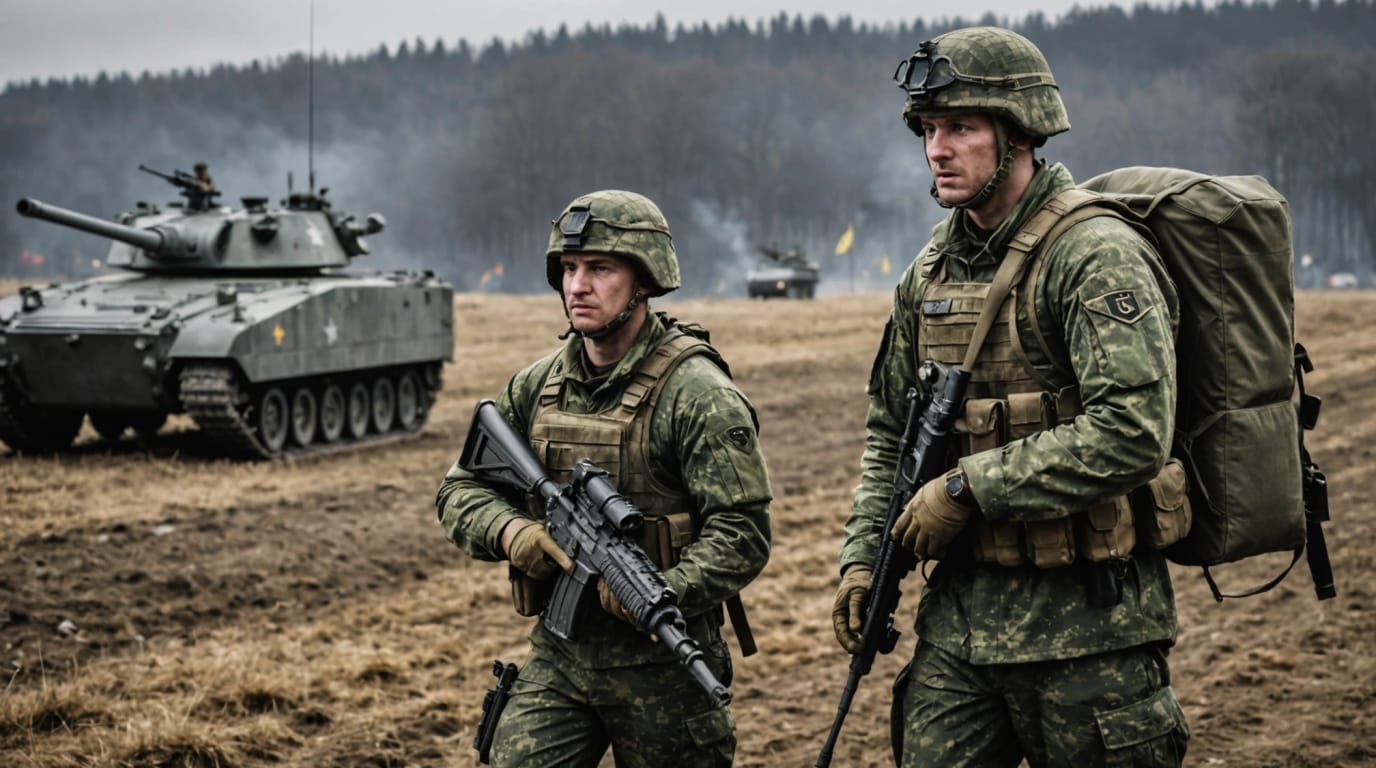
Germany has announced a significant new military aid package for Ukraine, signaling a continued commitment to supporting Kyiv as the conflict with Russia intensifies. The announcement, made by German Defence Minister Boris Pistorius on April 11, 2025, comes as representatives from approximately 40 countries, primarily NATO allies, gathered in Brussels for the 27th Ukraine Defense Contact Group meeting. This fresh infusion of military assistance aims to bolster Ukraine's defense capabilities against ongoing Russian attacks.
Key Components of the Aid Package
The newly announced package includes a range of critical military equipment designed to enhance Ukraine's air defense and ground combat capabilities. Among the key components are four IRIS-T air defense systems, accompanied by 300 guided missiles, and 100,000 rounds of artillery ammunition. These systems are crucial for intercepting incoming aerial threats and providing essential fire support for ground troops.
In addition to air defense systems and artillery, the package also encompasses 15 Leopard 1 battle tanks, 25 Marder infantry fighting vehicles, and 120 MANPADS ground-based air defense systems. Reconnaissance drones and 100 ground surveillance radars will provide enhanced situational awareness on the battlefield. The aid package also includes 14 artillery systems.
Germany's Growing Contribution
Germany has emerged as one of the leading providers of military aid to Ukraine in Europe, second only to the United States. This latest commitment further solidifies Germany's role in supporting Ukraine's defense efforts. Beyond the immediate aid package, Pistorius indicated that Germany plans to acquire more IRIS-T systems in the coming years and confirmed the upcoming delivery of 1,100 additional ground surveillance radars.
In March 2025, the German Finance Ministry confirmed that an additional 3 billion euros would be allocated to Ukraine on top of the 4 billion euros already earmarked for the year. This substantial financial commitment underscores Germany's long-term dedication to supporting Ukraine's security.
Broader European Support
The Ukraine Defense Contact Group meeting in Brussels, co-chaired by the U.K. and Germany, highlights the broader European effort to coordinate and sustain military assistance to Ukraine. The meeting saw participation from U.S. Defense Secretary Pete Hegseth and Ukrainian President Volodymyr Zelensky via video link, emphasizing the international importance of the discussions.
While the United States has historically been a major provider of aid to Ukraine, the shift in leadership of the Ukraine support coalition to European allies signals a growing emphasis on European responsibility in addressing the conflict. Several European nations have expressed readiness to send soldiers, pending more detailed planning, demonstrating a united front in supporting Ukraine.
Implications for the Conflict
The increased military aid from Germany and other European nations is expected to have a significant impact on the conflict in Ukraine. The advanced air defense systems, such as the IRIS-T, will enhance Ukraine's ability to protect its cities and critical infrastructure from Russian air attacks. The additional tanks, fighting vehicles, and artillery will bolster Ukraine's ground forces, enabling them to better defend their positions and potentially launch counteroffensives.
The provision of reconnaissance drones and ground surveillance radars will improve Ukraine's situational awareness, allowing commanders to make more informed decisions on the battlefield. These technological enhancements are crucial for countering Russia's military capabilities.
A Long-Term Commitment
Germany's commitment to providing sustained military aid to Ukraine extends beyond the immediate needs of the conflict. The planned acquisition of additional IRIS-T systems and the delivery of ground surveillance radars demonstrate a long-term strategy to strengthen Ukraine's defense capabilities.
This long-term commitment is particularly important given the uncertainty surrounding future U.S. support for Ukraine. By stepping up its own contributions, Germany is helping to ensure that Ukraine has the resources it needs to defend itself against Russian aggression, regardless of changes in the geopolitical landscape.
Conclusion
Germany's announcement of a fresh military aid package for Ukraine represents a significant step in bolstering Kyiv's defense capabilities. The inclusion of advanced air defense systems, tanks, artillery, and reconnaissance equipment will provide Ukraine with critical resources to counter Russian attacks and protect its sovereignty. As the conflict continues, the sustained commitment from Germany and other European nations will be essential in supporting Ukraine's fight for freedom and security. The coordinated efforts of the Ukraine Defense Contact Group underscore the international community's resolve to stand with Ukraine in the face of aggression.


