Germany Confronts Alarming Surge in Attacks Against Elected Officials
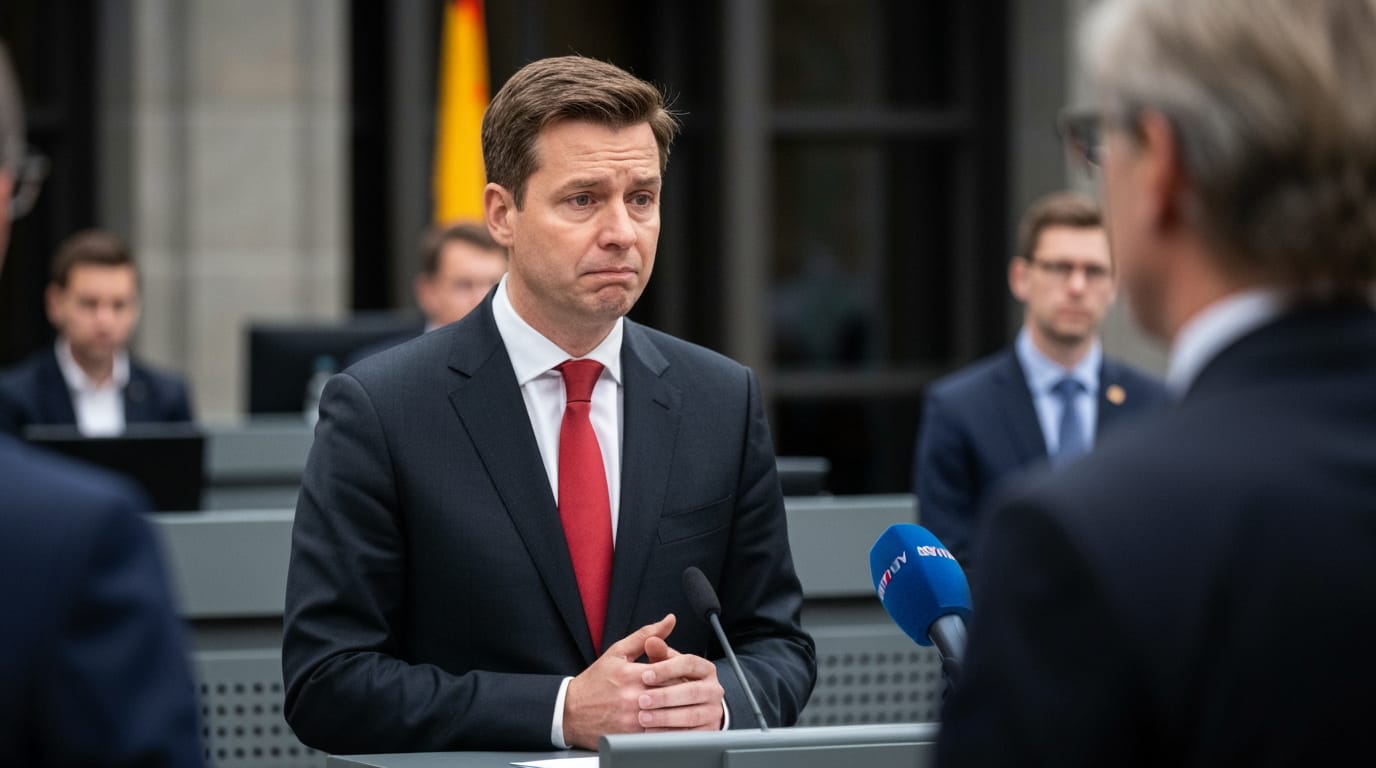
BERLIN – Germany's democratic foundations are facing an unprecedented challenge as verbal and physical attacks against its elected representatives have escalated dramatically, with incidents in 2024 nearing triple the annual average observed between 2020 and 2023. This alarming surge, highlighted by recent brutal assaults on campaigners ahead of European and local elections, has ignited a nationwide debate about political polarization, the safety of public servants, and the resilience of the nation's democratic processes. The intensification of hostility, driven by divisive rhetoric and social media-fueled aggression, threatens to deter individuals from public service and erode the very essence of democratic engagement.
A Troubling Escalation of Hostility
Government data indicates that overall attacks on politicians have more than doubled since the 2019 European Parliament elections, painting a grim picture of an increasingly volatile political landscape. While no political party remains untouched, Green Party politicians have been particularly affected, experiencing an almost sevenfold increase in incidents since 2019, making them the most frequently targeted group. The Federal Criminal Police Office reported 2,790 attacks on elected representatives in 2023 alone. The heightened tension is palpable, especially during election campaigns, where numerous violent encounters have been recorded.
The scale of the problem became starkly evident with a series of high-profile physical assaults in early 2024. Matthias Ecke, a Member of the European Parliament for the Social Democrats (SPD), was brutally beaten in Dresden while putting up campaign posters, sustaining injuries that required surgery. Just days later, Franziska Giffey, Berlin's Senator for Economic Affairs and former mayor, was attacked with a bag containing a hard object at a library event. A Green Party politician in Dresden was also accosted, verbally abused, and spat upon while campaigning, with a Deutsche Welle film crew capturing part of the incident. These incidents underscore a broader pattern of aggression that now includes direct physical violence alongside persistent verbal abuse. Even politicians from the far-right Alternative for Germany (AfD) have reported being targets of verbal and physical aggression.
Targets, Tactics, and the Digital Front
The targets of these attacks span the political spectrum, from federal MPs to local council members, who often lack the security detail afforded to national figures. While Greens and SPD members are frequently assailed, high-profile figures like Federal Health Minister Karl Lauterbach (SPD) are disproportionately targeted online, often in connection with sensitive topics such as the COVID-19 pandemic and vaccination policies.
The nature of the attacks is diverse, encompassing verbal insults, threats, defamation, libel, slander, and incitement to hatred. Physical assaults range from shoving and spitting to severe beatings, and even arson attacks on politicians' homes have been reported. The digital sphere serves as a significant battleground, with social media platforms amplifying divisive rhetoric and providing a conduit for widespread harassment. Investigations into some of the recent attacks, such as the one on Matthias Ecke, have revealed connections to far-right ideologies and groups, with young individuals, some as young as 17 and 18, identified as perpetrators.
The Roots of Rising Aggression
Experts and political leaders attribute the growing aggression to a toxic blend of factors, with political polarization at its core. The current political atmosphere is described as "very tense" and "polarized," fostering an environment where dissent can easily devolve into enmity. A significant contributor to this climate is widely seen as the rhetoric employed by far-right parties, particularly the AfD, which mainstream parties accuse of exacerbating the mood and inciting confrontations. Instances of AfD leaders using aggressive language, such as calls to "hunt down" political opponents, are cited as examples of how extremist discourse can translate into real-world violence. The Federal Office for the Protection of the Constitution (BfV), Germany's domestic intelligence agency, identifies far-right extremism as the gravest threat to German democracy.
The pervasive influence of social media is also a critical factor. It has created spaces where "all-out cries" can spread rapidly, contributing to a "brutalization" of society and a "fair-game culture" against public figures. Furthermore, underlying societal tensions, including those that flared during the COVID-19 pandemic, have seemingly contributed to a shorter fuse among some segments of the population. There is a discernible "growing far-right youth culture" observed by security experts, indicating a worrying trend among younger generations.
Erosion of Democratic Engagement
The implications of this escalating violence are far-reaching, posing a direct threat to the functioning and future of German democracy. The relentless attacks act like a "corrosive solution," gradually eroding democratic structures and potentially leading to their collapse. This hostile environment risks discouraging dedicated individuals from entering or remaining in public service, especially at the local level where politicians often work without state protection. The personal toll on those targeted is profound, often leading to psychological strain, changes in daily routines for security reasons, and even contemplation of quitting political engagement. When political discourse becomes synonymous with personal threat, the diversity of voices and perspectives in public life is inevitably diminished, undermining the representative nature of democracy.
Collective Response and Countermeasures
In response to this grave threat, German authorities and political leaders have pledged to implement more stringent measures. Federal Interior Minister Nancy Faeser has called for "tough action and further protective measures for the democratic forces," affirming that attacks on politicians are attacks on democracy itself. German interior ministers have vowed to introduce harsher legal consequences for perpetrators, including potentially creating a new independent criminal offense for threatening public officials and elected representatives. Efforts are also underway to increase police presence at political events and to train additional bodyguards for high-risk situations, particularly ahead of the 2025 federal elections.
To protect politicians' privacy and personal safety, there are plans to adjust population registers to safeguard lawmakers' home addresses. Furthermore, some municipalities and states have adopted a "zero tolerance" policy, ensuring that every affront, threat, or attack is thoroughly investigated and prosecuted to demonstrate that such actions will face consequences. Beyond legal and security measures, there is a widespread call for society to demonstrate greater solidarity with politicians and to actively defend democratic values against extremist aggression.
The challenge is formidable, requiring sustained vigilance and a collective commitment to protecting the individuals who dedicate themselves to public service and, by extension, the democratic fabric of Germany. The ongoing rise in hostility necessitates not only robust legal and security responses but also a societal reckoning with the divisive forces that fuel such alarming trends.


