Germany Confronts Daily Hybrid Warfare Amid Escalating Global Tensions
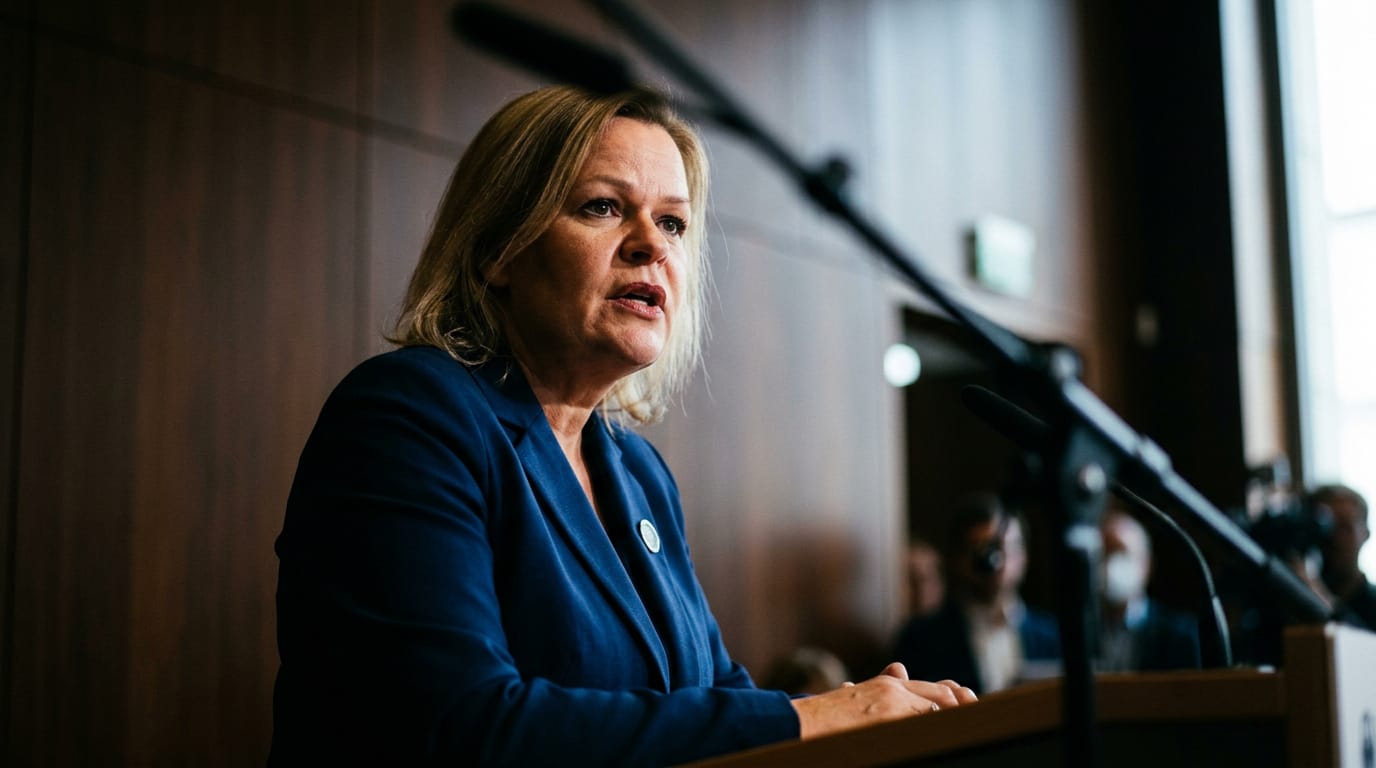
Berlin, Germany – Germany finds itself in a state of continuous vigilance, grappling with what its Interior Minister, Alexander Dobrindt, describes as a "daily" barrage of hybrid warfare attacks from abroad. This stark assessment comes as the nation confronts a complex array of threats ranging from sophisticated cyber operations and disinformation campaigns to acts of espionage and sabotage, underscoring a significant shift in the global security landscape. The minister's recent warnings highlight a persistent and evolving challenge that targets the very foundations of German democracy, stability, and critical infrastructure.
The nature of modern conflict has transformed, moving beyond traditional military engagements to encompass a multi-faceted assault on a nation's political, social, and economic systems. Minister Dobrindt articulated this reality following a suspected explosive-laden drone incident near Leipzig/Halle Airport and a separate drone sighting over a military base in Mechernich, stating that "We're not at war, but we are the daily target of hybrid warfare." These incidents serve as tangible examples of the shadow conflicts that aim to sow fear, destabilize society, and politically weaken Germany.
The Evolving Threat Landscape
Germany's security apparatus has identified a consistent pattern of foreign powers seeking to exert influence and inflict harm through non-conventional means. Minister Dobrindt emphasized that "espionage, sabotage, cyberattacks, or covert operations by foreign powers aimed at destabilising Germany or inflicting direct harm are a constant reality." These tactics are designed to be ambiguous, making attribution difficult and often falling below the threshold of conventional warfare, yet their cumulative impact can be profoundly disruptive.
Hybrid warfare, by definition, involves a coordinated blend of diplomatic, military, economic, and technological means to achieve strategic objectives without direct military confrontation. The drone incidents, while not immediately attributed to a specific actor, underscore the tangible threats posed by such operations, raising concerns about the security of critical infrastructure and military installations. The minister also noted the expansion of drone research in Germany as part of the country's proactive response to these emerging dangers.
Identifying the Primary Actors and Their Motives
While German officials often refrain from publicly naming specific culprits for every incident, the statements from current and former Interior Ministers frequently point towards state-sponsored actors, with Russia being explicitly identified as a significant source of such aggression. Former Interior Minister Nancy Faeser, in January 2025, highlighted Russia's "hybrid warfare" as specifically targeting Germany's arms industry and critical infrastructure. She noted a significant increase in incidents of sabotage and espionage, alongside rampant cyberattacks and disinformation campaigns. Defense Minister Boris Pistorius echoed these concerns, stating in the past that "Putin is engaging in hybrid attacks and Germany is particularly in focus. He knows us well, Putin knows how to needle us."
The motives behind these sustained campaigns are multifaceted. Foreign powers aim to unsettle the population, erode trust in democratic institutions, fuel polarization, and ultimately destabilize the country. Since the onset of Russia's full-scale invasion of Ukraine, there has been a noticeable surge in disinformation spread through social media, originating from Russian state media and pro-Kremlin accounts. This disinformation aims to control perceptions of the conflict, justify military actions, obscure civilian casualties, and reinforce an anti-Western narrative. Furthermore, cyberattacks are often utilized to pave the way for disinformation activities, creating a synergistic effect of digital and informational warfare.
Germany's Robust Countermeasures and Resilience Building
In response to the escalating threats, Germany has been systematically strengthening its defenses against hybrid warfare. A significant step was the inauguration of the Joint Center for Countering Hybrid Threats (GAZ Hybrid) in Berlin in June 2026, under the leadership of Minister Dobrindt. Housed within the domestic intelligence agency BfV, this center is designed to enhance coordination among various security agencies and bolster the nation's capacity to detect, analyze, and counteract hybrid risks.
The GAZ Hybrid's mission includes identifying early warning signs, conducting in-depth analyses, and orchestrating coordinated responses. It complements existing security centers such as the National Cyber-Response Centre (NCAZ) and the Joint Counter-Drone Centre (GDAZ), creating a comprehensive security architecture. Minister Dobrindt emphasized the center's focus on prevention over crisis management, aiming for resilience rather than reactive risk mitigation. Plans are also underway to expand the powers of Germany's intelligence agencies through new legislation, enabling them to address hybrid threats more effectively.
Beyond national initiatives, Germany has also championed international cooperation. In November 2022, during a G7 ministerial meeting, then-Interior Minister Nancy Faeser underscored the heightened threat to critical infrastructure and the proliferation of foreign disinformation. The G7 nations collectively pledged to strengthen collaboration in combating hybrid threats and information manipulation, recognizing that such challenges demand a united global front.
Broader Implications for Democracy and Society
The constant pressure of hybrid warfare poses profound implications for Germany's democratic fabric and societal cohesion. The deliberate spread of false narratives and targeted attacks on critical infrastructure are not just technical challenges; they are direct assaults on public trust and the legitimacy of democratic institutions. As Minister Dobrindt stated, hybrid threats represent "the shadow wars of the 21st century," directly imperiling "Our freedom, our democracy and our prosperity."
The persistent nature of these threats requires not only a robust governmental response but also an informed and resilient populace. Efforts to counter disinformation, for instance, involve collaboration with social media providers to enforce transparent rules and combat the spread of intentionally deceptive content. The aim is to empower citizens with facts and foster critical thinking, thereby inoculating society against foreign manipulation. The ongoing battle against hybrid warfare is therefore a collective endeavor, demanding vigilance from every level of society.
A Continuous State of Vigilance
Germany's journey through this era of daily hybrid warfare is a testament to the evolving complexities of modern security. The warnings from its Interior Minister, Alexander Dobrindt, serve as a critical reminder that national security is no longer solely defined by conventional military strength but by the resilience against a constant barrage of insidious, non-military threats. From securing critical infrastructure and defending against cyber incursions to combating disinformation and countering espionage, Germany is engaged in a continuous, multi-faceted effort to protect its sovereignty, democratic values, and the well-being of its citizens. The establishment of dedicated centers and the strengthening of intelligence capabilities reflect a determined commitment to not merely react to, but actively anticipate and neutralize, the sophisticated challenges posed by the shadow wars of the 21st century.


