Germany Considers Allowing Syrian Refugees to Visit Home
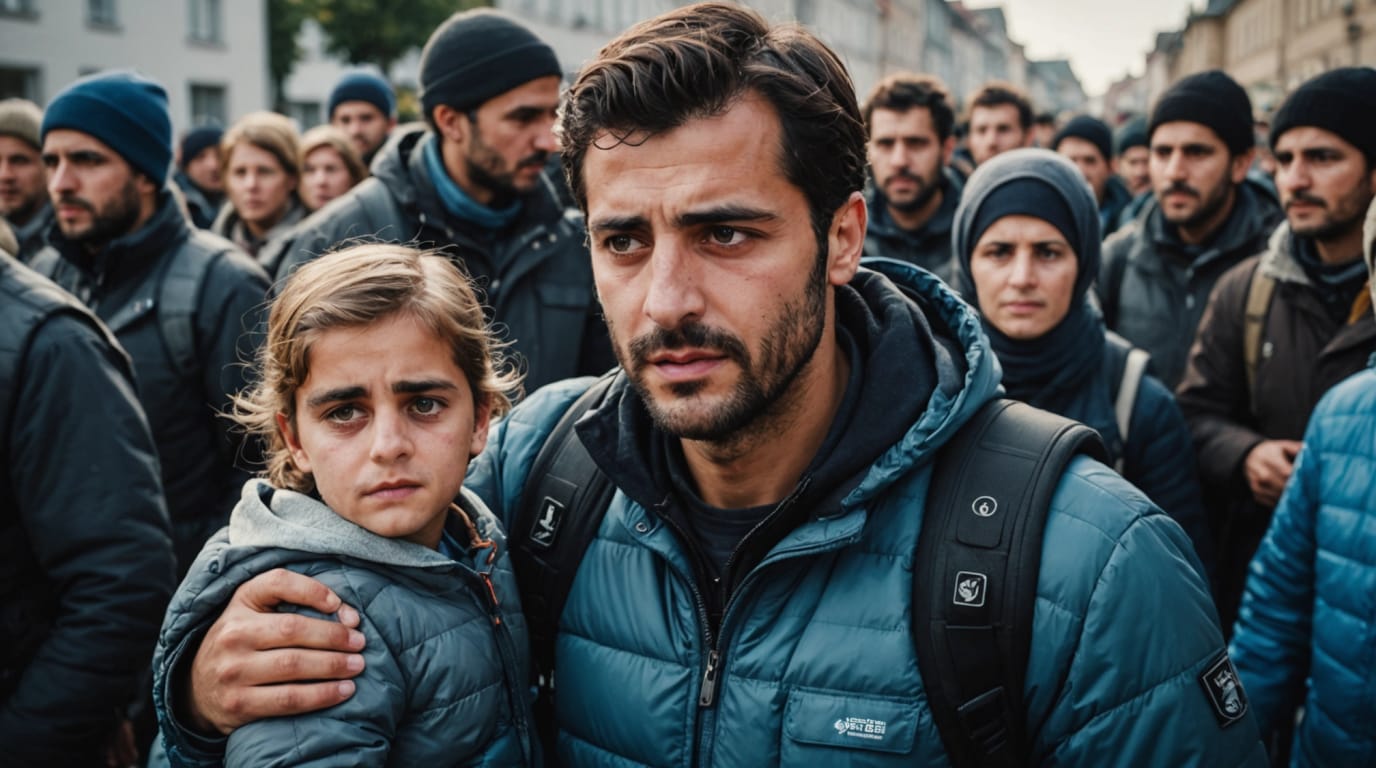
Germany is weighing a plan to allow Syrian refugees to visit their home country without jeopardizing their residency status, a move that could impact nearly one million Syrians currently residing in the country. The proposal comes amid a shifting political landscape in both Germany and Syria, prompting discussions about the future of Syrian refugees and their potential return.
Background and Context
Since the start of the Syrian civil war in 2011, Germany has become a primary destination for Syrian refugees, offering protection and opportunities for a new life. At its peak in 2015 and 2016, Germany opened its doors to hundreds of thousands of Syrians fleeing the conflict. As of 2023, approximately 1.3 million people with Syrian roots reside in Germany, with around 974,000 holding Syrian citizenship. This makes Germany home to the largest Syrian diaspora outside the Middle East.
Initially, Germany adopted a welcoming approach, emphasizing its moral duty to assist those fleeing war and persecution. However, in recent years, the political climate has shifted, with increasing pressure to address immigration concerns and encourage the return of refugees when conditions allow. The fall of Bashar al-Assad's regime in December 2024 has further fueled this debate, prompting discussions about whether Syria is now safe for refugees to return.
The Proposed "Reconnaissance Trip"
The German Interior Ministry, led by Nancy Faeser, is exploring the possibility of allowing Syrian refugees to make a one-time "reconnaissance trip" to Syria without losing their protected status in Germany. This would allow individuals to assess the situation on the ground, visit family members, and determine whether a permanent return is feasible.
A spokesperson for the Interior Ministry confirmed that discussions are ongoing with Syria's transitional government regarding the return of Syrian refugees. The ministry is studying "practical mechanisms" to expedite voluntary returns, with the "reconnaissance trip" being one such proposal.
The idea is for people to see for themselves whether their houses are still standing, whether family members are still alive with whom they may have lost contact a long time ago, and whether they are really safe in their home country.
Potential Benefits and Challenges
The proposed plan has the potential to benefit both Syrian refugees and Germany. For refugees, it offers an opportunity to reconnect with their homeland, assess the possibility of return, and make informed decisions about their future. It also addresses the emotional toll of being separated from family and the desire to witness the rebuilding of their country.
For Germany, facilitating voluntary returns could ease the strain on its social welfare system. Currently, over 500,000 Syrians in Germany receive social benefits, costing the government approximately 4 billion euros annually. Encouraging even a portion of these individuals to return could free up resources and alleviate concerns about benefit dependency.
However, the plan also faces several challenges. One concern is the safety and stability of Syria. Despite the fall of the Assad regime, the country remains fragile, with widespread destruction, infrastructure gaps, and limited livelihood opportunities. Premature or coerced returns could lead to renewed displacement and further instability.
Another challenge is ensuring that returns are truly voluntary. Some fear that the "reconnaissance trip" could be used as a way to pressure refugees into returning, even if they do not feel safe or prepared to do so. It is crucial that any return program respects the rights and choices of refugees and provides adequate support for those who choose to return.
Political Considerations and Public Opinion
The debate over Syrian refugees and their potential return is highly politicized in Germany. With federal elections approaching, immigration policy has become a central issue, with various parties offering different approaches.
The center-left parties generally support the "reconnaissance trip" plan as a way to help Syrians make informed decisions about their future. They emphasize the importance of allowing Syrians to visit their homeland and move back and forth without jeopardizing their residency status.
On the other hand, right-wing and far-right parties advocate for stricter immigration policies and the swift return of Syrian refugees. They argue that Syria is now safe for return and that Germany should prioritize the needs of its own citizens. Some officials have even suggested revoking the protection status of Syrian refugees who adhere to Sunni Islam, arguing that they no longer face persecution under the new Sunni-led Syrian leadership.
Public opinion on the issue is divided. While many Germans support the humanitarian support of refugees, there are also concerns about the economic and social impact of immigration. These concerns have been fueled by a series of deadly attacks committed by suspects with a migrant background, leading to calls for tougher border controls and stricter deportation rules.
The Path Forward
As Germany navigates this complex issue, it is crucial to strike a balance between the needs and interests of all parties involved. A responsible approach to governing return migration must carefully consider the interests of Germany, Syria, and the displaced persons themselves.
Several key steps can be taken to ensure a safe, dignified, and sustainable return process:
- Prioritize voluntary returns: Ensure that all returns are voluntary and based on informed decisions. Provide refugees with accurate and up-to-date information about the situation in Syria, as well as support for those who choose to return.
- Address safety and security concerns: Work with the Syrian government and international organizations to ensure that returnees are safe from violence, persecution, and discrimination.
- Provide adequate support for returnees: Offer financial assistance, housing, and job training to help returnees rebuild their lives in Syria.
- Promote circular migration: Allow Syrians to maintain connections with Germany while contributing to the rebuilding of their homeland. This could involve temporary visits, business ties, or partnerships with civil society organizations.
- Invest in integration: Continue to support the integration of Syrians who choose to remain in Germany. This includes language training, education, and job opportunities.
Conclusion
Germany's consideration of allowing Syrian refugees to visit their home country marks a significant step in the ongoing debate about the future of Syrian refugees. While the plan offers potential benefits for both refugees and Germany, it also faces challenges related to safety, stability, and political considerations. By prioritizing voluntary returns, addressing safety concerns, and providing adequate support, Germany can help ensure a safe, dignified, and sustainable return process for those who choose to rebuild their lives in Syria.


