Germany Declares War on Red Tape: A 200-Step Plan to Modernize a Nation
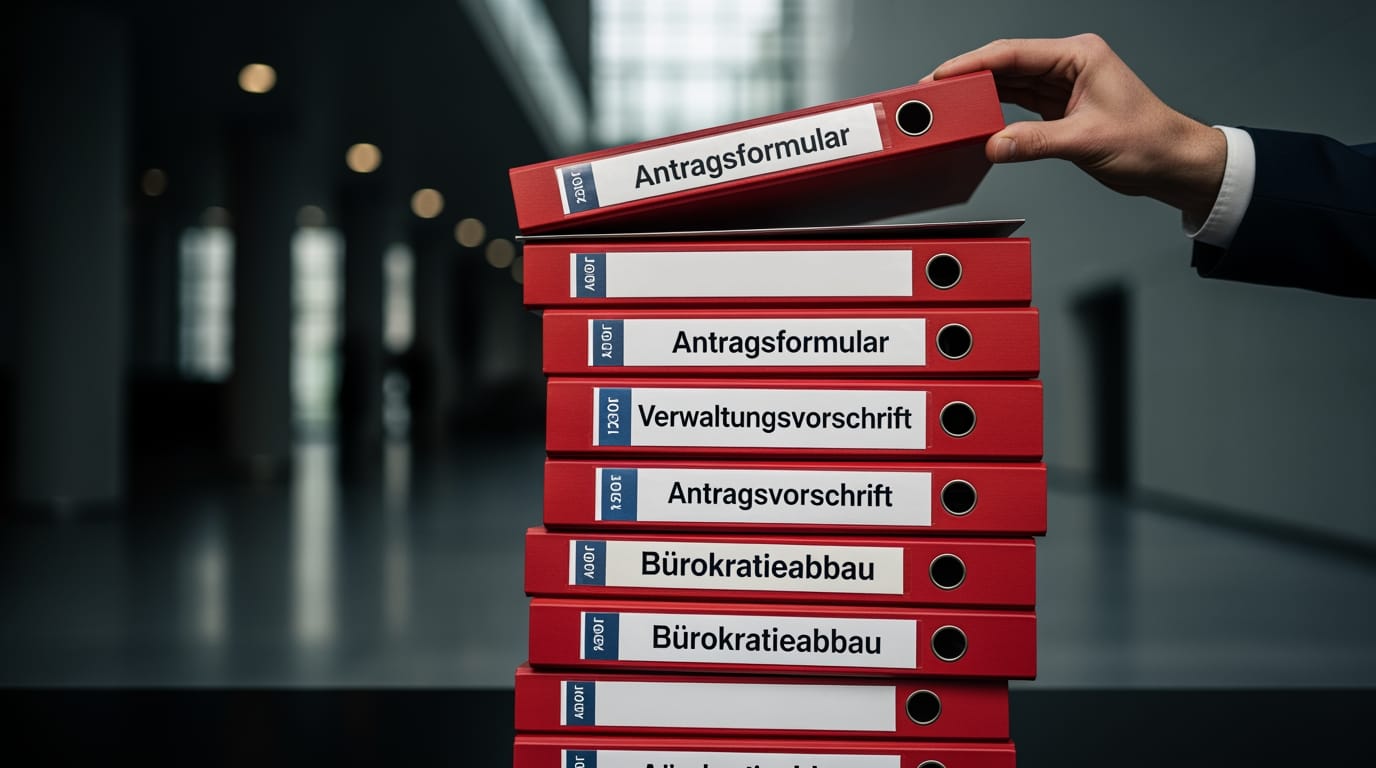
BERLIN – Germany, a nation renowned for its meticulous organization, is grappling with a formidable adversary: its own bureaucracy. Faced with mounting frustration from businesses and citizens alike, German leaders are embarking on an ambitious journey to dismantle layers of administrative complexity, with a new 200-point plan at the forefront of this modernization drive. This comprehensive initiative, alongside federal legislation, aims to streamline processes, accelerate digitalization, and inject much-needed agility into the country's public administration, promising a future where efficiency trumps excessive paperwork.
The push for reform comes amidst growing recognition that Germany's intricate web of regulations is stifling economic growth and innovation. Excessive bureaucratic demands are estimated to cost the German economy up to 146 billion euros annually in lost output, a significant drag on its potential. Studies reveal that the volume of federal legislation alone expanded by approximately 60 percent between 2010 and 2024, demonstrating a steady increase in regulatory burdens despite repeated political pledges to simplify the system. This regulatory deluge impacts everything from the entrepreneurial spirit to critical infrastructure projects, prompting an urgent call for change from all sectors of society.
The Stifling Grip of Bureaucracy
For years, Germany's administrative framework has been a source of both stability and considerable exasperation. Small and medium-sized enterprises (SMEs), which form the backbone of the German economy, are particularly affected. Approximately 3.6 million SMEs navigate these administrative requirements daily. Businesses report spending an average of 218 hours per year solely on tax compliance, nearly double the time spent in countries like Sweden. Such demands translate into tangible economic costs and contribute to a psychological burden, with surveys indicating that eight out of ten entrepreneurs feel their enjoyment of business diminishes due to bureaucratic hurdles, often leading to feelings of anger, powerlessness, and confusion.
The problems extend beyond mere paperwork. Critical areas like property registration and building permits are notoriously cumbersome. Registering property in Germany involves six bureaucratic steps and can take 52 hours, compared to just seven hours in Sweden, which requires only one step. Similarly, obtaining building permits is often slow and expensive, contributing to construction projects being 30 percent more costly and 20 percent slower than in other European nations. Even the transition to renewable energy is hampered by prolonged approval processes, underscoring the pervasive nature of the issue. The lack of comprehensive digitalization in public administration further exacerbates these challenges, with many local governments struggling with incompatible software and a significant portion of services still unavailable online despite legislative mandates.
A Multi-Pronged Attack on Red Tape
Recognizing the urgency, German leaders are launching a concerted effort to reverse this trend. The premiers of Germany's 16 states have collectively drafted a far-reaching 200-point plan aimed at modernizing government services and easing bureaucratic burdens. This initiative has gained significant political momentum, with Chancellor Friedrich Merz making bureaucracy reduction a central priority for the current coalition government.
Complementing this, the federal government has introduced the Fourth Bureaucracy Reduction Act (BEG IV), set to come into force on January 1, 2025. This act is projected to save German businesses approximately 3.5 billion euros annually. Key measures within BEG IV include shortening retention periods for commercial and tax documents from ten to eight years, digitizing tax assessments, and reducing various reporting obligations. The act also aims to lessen written form requirements, allowing for electronic processes where paper signatures were previously mandatory. These steps are part of a broader "modernization agenda" that comprises over 80 individual measures, with an overarching goal to reduce bureaucracy costs by 25 percent by 2029, equating to roughly 16 billion euros in savings for the economy.
Further structural reforms are also underway, including the commitment to a "one in, one out" rule, meaning every new regulatory burden must be offset by the elimination of an existing one, with a long-term vision to implement a "one in, two out" principle. The newly established Ministry for Digitalization & State Modernization reflects the government's dedicated focus on this issue, having already introduced relief measures totaling 3 billion euros since its inception. Efforts are also targeting specific sectors, such as accelerating planning procedures for renewable energy projects, a move welcomed by industry associations as a potential "turbocharge" for the energy transition.
Navigating Skepticism and Deep-Seated Challenges
Despite the ambitious scope of these plans, the path to significant bureaucratic relief is not without its challenges and skepticism. Business associations, while acknowledging the efforts, have expressed reservations. For instance, the Federation of German Industries (BDI) noted that the draft of BEG IV incorporated only a small fraction—just 11—of the 450 proposals submitted by over 50 business associations, falling "far short of expectations." This sentiment is echoed by many companies; a survey revealed that only ten percent expect a noticeable reduction in their bureaucratic workload from the Fourth Bureaucracy Reduction Act, with particular pessimism in sectors like manufacturing, healthcare, construction, and retail.
Critics also highlight that some regulations, often labeled as "bureaucracy," serve important social or environmental objectives. A chief economist for a major trade union suggested that some demands from employer associations could inadvertently dismantle workers' rights rather than genuinely reduce administrative burdens. Moreover, the decentralized nature of German administration, with significant powers vested in states and local governments, poses a structural challenge to nationwide reform. Economy Minister Robert Habeck acknowledged this, explaining that many decisions are "politically outsourced" to administrative acts, leading to excessive caution to avoid legal challenges.
Adding to the complexity, the government's own bureaucracy watchdog, the Normenkontrollrat, reported in November 2024 that despite commitments, bureaucracy costs under the current government have reached unprecedented levels. Past efforts under previous administrations, including those led by Angela Merkel and Olaf Scholz, have often vowed to cut red tape but have seen limited success, with new regulations often accumulating faster than old ones are removed. The enduring issue of digitalization, particularly at the local level where incompatible software and a lack of digital skills persist, continues to be a significant hurdle to effective modernization.
Towards a More Agile Future
Germany stands at a critical juncture, with its leaders keenly aware of the economic and social costs of an entrenched bureaucracy. The combined efforts of the 200-point state plan and the federal Modernization Agenda represent a determined push to streamline administrative processes, enhance digitalization, and ultimately make Germany a more attractive and efficient place for businesses and citizens. While past attempts have faced formidable obstacles, the current resolve, underscored by concrete legislative measures and a broad political consensus, signals a potentially transformative period.
The success of these initiatives will hinge not only on the implementation of the proposed steps but also on overcoming the inherent resistance to change and addressing the skepticism within the business community. If Germany can effectively navigate these complexities, the rewards could be substantial: increased economic output, a more agile public administration, and a restoration of entrepreneurial confidence. The ambition is clear: to move from a nation often perceived as bogged down in paperwork to one characterized by modern, efficient governance.


