Germany Decries Trump's Iran War as 'Disastrous Mistake,' Signals Deep Rupture in Transatlantic Ties
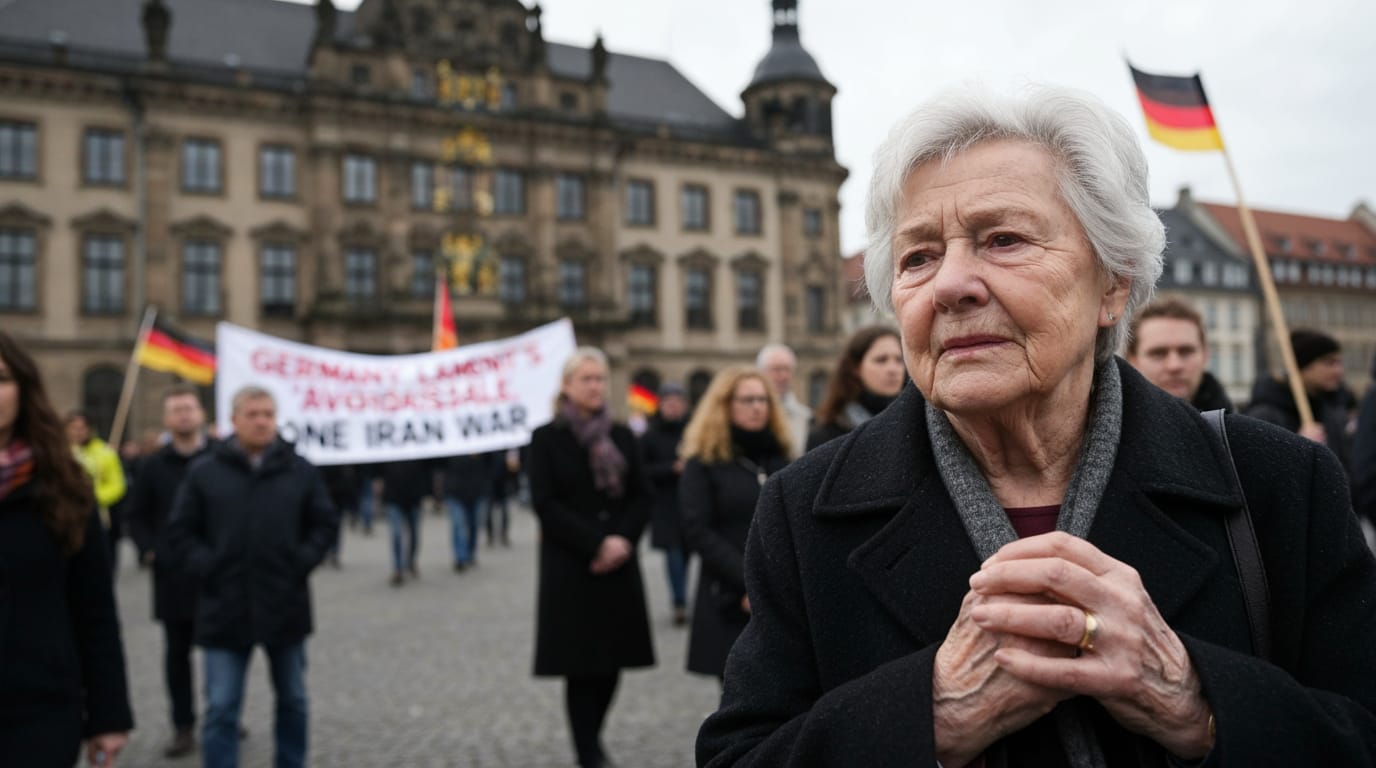
Berlin, Germany – German President Frank-Walter Steinmeier has issued an exceptionally stark condemnation of the military conflict in Iran, describing it as an "unnecessary and avoidable" war that represents a "politically disastrous mistake" and a clear violation of international law. His strong rebuke, a rare move for a largely ceremonial head of state, underscores the profound dismay within Germany and across Europe regarding the Trump administration's foreign policy and its escalating actions in the Middle East. The German President's comments signal a potentially irreversible shift in the bedrock relationship between Berlin and Washington, raising serious questions about the future of transatlantic unity amidst global instability.
A Stinging Rebuke from Berlin
President Steinmeier's impassioned address Tuesday at the German Foreign Ministry left little room for ambiguity, directly challenging the justifications for the conflict. He asserted that claims of an "imminent threat" did not withstand scrutiny, dismissing them as unconvincing. "Our foreign policy does not become more convincing just because we do not call a breach of international law a breach of international law," Steinmeier stated, emphasizing Germany's obligation to uphold legal principles. He unequivocally declared the war in Iran to be "contrary to international law".
This direct and forceful criticism from the German presidency marks a significant departure from typical diplomatic language, reflecting the depth of concern within Berlin. While Chancellor Friedrich Merz had previously taken a more measured approach, initially expressing some understanding for US-Israeli military actions and a desire to plan for a post-conflict Iran, his position has evolved. Merz later welcomed President Trump's decision to temporarily postpone strikes on Iranian power plants, offering Berlin's diplomatic assistance in mediating the conflict. However, a spokesperson for the Chancellor subsequently clarified that the United States "did not consult us before this war, and so we believe this is not a matter for NATO or the German government," indicating a firm rejection of entanglement.
The Genesis of Discord: JCPOA Withdrawal and "Maximum Pressure"
The current military escalation traces its roots back to 2018, when the Trump administration unilaterally withdrew the United States from the Joint Comprehensive Plan of Action (JCPOA), commonly known as the Iran nuclear deal. This move, which dismantled a multilateral agreement aimed at preventing Iran from developing nuclear weapons, was met with "regret and concern" by European powers, including Germany, France, and the United Kingdom. These nations, committed to the deal's principles, continued to emphasize its importance for shared security and the global non-proliferation regime, despite the US withdrawal.
The Trump administration subsequently launched a "maximum pressure" campaign against Tehran, imposing stringent sanctions and aiming to compel Iran into a new, more comprehensive agreement. Germany's long-held view was that the JCPOA, though imperfect, was a crucial diplomatic achievement that had effectively curbed Iran's nuclear ambitions. President Steinmeier notably remarked that if the war's objective was to prevent Iran from acquiring nuclear weapons, it was "entirely unnecessary and avoidable," given the effectiveness of the 2015 nuclear agreement. The US decision to abandon this diplomatic solution, which enjoyed international legitimacy and was endorsed by the UN Security Council, significantly damaged efforts to manage regional tensions.
Refusal to Engage: Europe's Stance on Military Involvement
As the conflict intensified, President Trump sought to rally international support, specifically appealing to NATO allies to assist in securing the Strait of Hormuz, a vital global shipping lane that has become a flashpoint in the conflict. However, Germany, alongside other key European nations like France, the UK, Poland, and Spain, decisively rejected direct military involvement. German Defense Minister Boris Pistorius articulated Berlin's firm position: "This is not our war, and we didn't start it".
Pistorius further questioned the efficacy of a limited European naval presence in the region compared to the capabilities of the US Navy, asking what a "handful or two handfuls of European frigates" could achieve that the powerful American fleet could not. European leaders pointed out that Washington had not consulted them before initiating military actions, thus undermining any expectation of a joint military response through alliances like NATO. The widespread refusal to join the US military efforts highlights a deep divergence in strategic approaches and a growing reluctance among European allies to be drawn into conflicts perceived as unilaterally provoked.
A Transatlantic Divide: Implications for US-German Relations
President Steinmeier's assessment of the Iran war extends beyond mere policy disagreement, portraying it as a fundamental "rupture" in the post-war alliance between Germany and the United States. He drew a stark parallel, suggesting that just as relations with Moscow fundamentally changed after Russia's invasion of Ukraine in 2022, ties with Washington may also be entering an irreversible phase following the Iran conflict. This comparison underscores the gravity with which Germany views the current trajectory of US foreign policy.
The German President's comments also included a critical theme of reducing Europe's reliance on the United States, particularly in areas of defense and technology. This reflects a growing sentiment in Berlin that lessons learned from over-dependence on Russian energy should be applied to transatlantic relations. Concerns over US dominance in technology and data access are driving a push for Europe to invest more heavily in its own capabilities and assert greater strategic autonomy. This shift signals a re-evaluation of Germany's long-standing security architecture and its role in a changing global order.
Economic Fallout and Diplomatic Appeals
The conflict in Iran has triggered significant economic repercussions, notably surging global oil prices and broader economic instability. Germany, heavily reliant on stable global trade routes, has expressed deep concern over the economic fallout. Efforts to contain the economic damage have become a priority, even as military actions continue.
Despite the military escalation, German Chancellor Merz welcomed President Trump's temporary postponement of strikes on Iranian energy infrastructure and expressed openness to direct contact with the Iranian leadership, signaling a continued hope for diplomatic resolution. However, Iranian officials have denied that bilateral negotiations have taken place, maintaining a hardline stance. Germany's consistent calls for diplomacy reflect a core tenet of its foreign policy, advocating for de-escalation and negotiated settlements even in the face of direct military confrontation.
The ongoing crisis has also revealed the complexities of international economic pressure. The US withdrawal from the JCPOA and subsequent sanctions have created significant challenges for European companies seeking to maintain economic ties with Iran, straining transatlantic economic cooperation.
Conclusion
The "avoidable, unnecessary" war in Iran, as characterized by German President Frank-Walter Steinmeier, represents a critical juncture in global politics and a profound challenge to the transatlantic alliance. Germany's vocal condemnation of the conflict, its assertion of international law, and its steadfast refusal of military involvement highlight a widening chasm between European and American approaches to foreign policy. The implications extend beyond the immediate conflict, prompting a fundamental re-evaluation within Germany of its long-term reliance on the United States and fostering a renewed push for European strategic autonomy. As global security concerns mount, the divergence over Iran underscores the urgent need for a cohesive international approach, yet the path forward for transatlantic relations appears increasingly fraught with uncertainty.


