Germany Deepens Defense Ties with Ukraine, Eyes Joint Drone Development in Kyiv Visit
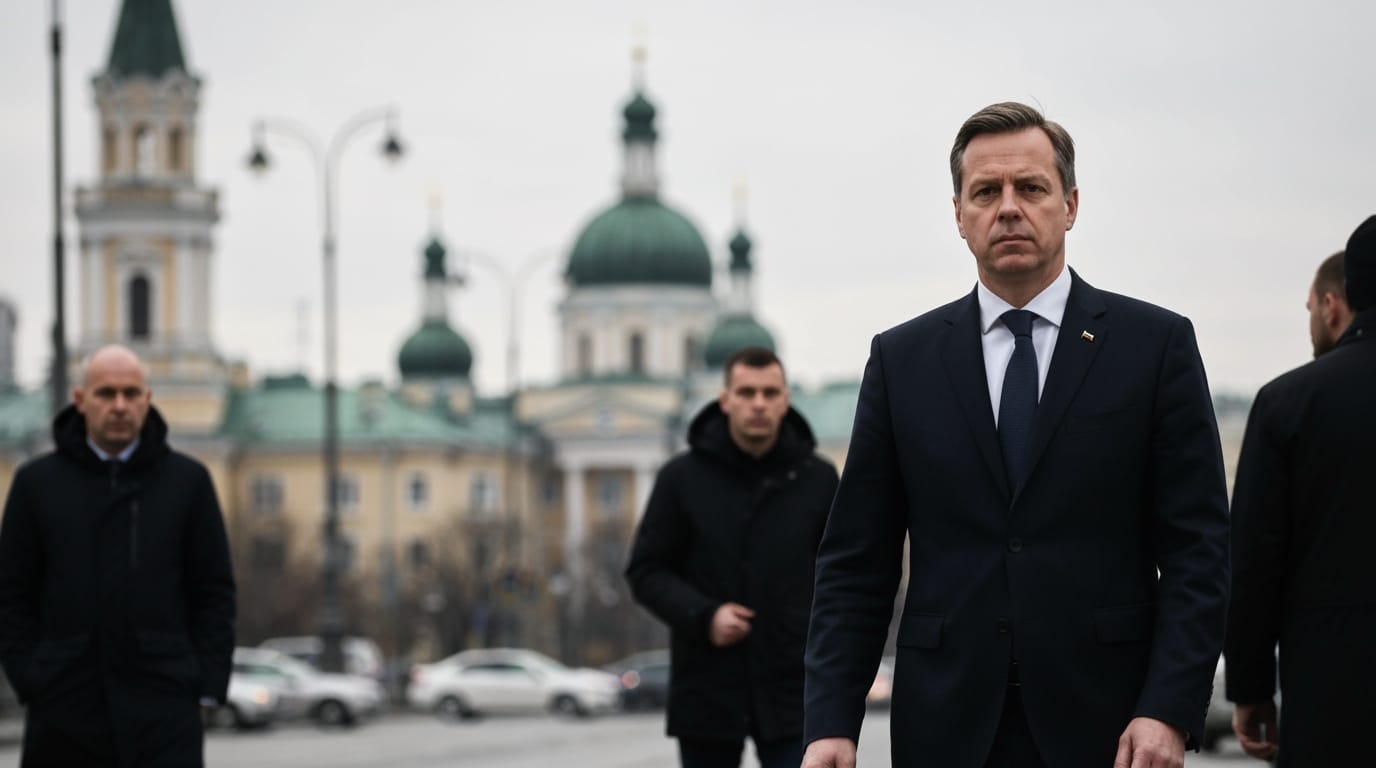
Kyiv, Ukraine – German Defense Minister Boris Pistorius arrived in Kyiv on an unannounced visit today, May 11, 2026, signaling Berlin's intensified commitment to Ukraine's defense and a strategic pivot towards joint weapons production. The visit underscores a burgeoning partnership focused on bolstering Ukraine's capabilities, particularly in advanced unmanned systems, and solidifying Germany's role as a pivotal European ally in the ongoing conflict.
The discussions in the Ukrainian capital are centered on expanding defense cooperation, with a particular emphasis on the collaborative development of sophisticated unmanned weapon systems designed for various operational ranges, including deep strike capabilities. This initiative moves beyond traditional military aid, aiming to integrate Ukrainian battlefield experience with German industrial prowess to foster innovative defense solutions.
A Strategic Shift Towards Collaborative Defense
The unannounced nature of the visit reflects security concerns inherent to high-level diplomatic engagements in a war zone, yet its timing highlights the urgency and strategic importance placed on this partnership. Minister Pistorius articulated that the focus is on creating cutting-edge unmanned systems, particularly those with deep strike capabilities, to enhance the security of both nations. Germany views this cooperation as mutually beneficial, gaining insights from Ukraine's real-world combat experiences while providing crucial technological and financial support.
This collaborative approach builds upon a strategic partnership agreement forged between Germany and Ukraine on April 14, which outlined expanded cooperation in critical areas such as air defense, long-range weaponry, drones, and ammunition. That agreement, signed during high-level governmental consultations, laid the groundwork for the current discussions on joint production and technological advancement.
Germany has emerged as Ukraine's leading military donor within Europe and a key partner in the defense industry sector. The German government has expressed its intent to encourage greater involvement of private German investors in Ukrainian defense companies and joint ventures. To facilitate this, the German Ministry of Defense has engaged with financial sector representatives, including banks and funds, to discuss investment conditions.
Bolstering Ukraine's Defensive and Offensive Capabilities
The dialogue between Minister Pistorius and Ukrainian officials is expected to refine strategies for addressing Ukraine's evolving battlefield needs. Germany's commitment extends to providing comprehensive military support, encompassing a wide array of equipment and training. This includes provisions for air defense systems, artillery, combat vehicles, and ammunition, alongside training for thousands of Ukrainian soldiers.
Germany has also been a significant provider of specific defense assets. Previous aid packages have included IRIS-T air defense systems, Leopard tanks, and various other military equipment crucial for Ukraine's defense. These deliveries underscore a consistent effort by Berlin to equip Ukraine with the means to defend its sovereignty and territorial integrity. Furthermore, Minister Pistorius previously underscored Germany's commitment to supporting the production of long-range weapons within Ukraine itself, with Berlin's financial backing. Germany has also financially supported the purchase of artillery shells through initiatives like the Czech-led ammunition procurement.
The emphasis on joint drone development, especially for deep strike applications, signifies an adaptive response to modern warfare requirements. Ukrainian defense technologies, honed on the battlefield, are seen by Germany as a source of innovative solutions with global demand. Germany intends to support developers demonstrating promising innovations through platforms like Brave1, a Ukrainian defense tech accelerator.
Germany's Enduring Support and Future Outlook
Beyond immediate military provisions, Germany's support for Ukraine is robust and long-term. The Federal Government has allocated, or set aside for coming years, substantial bilateral civilian support amounting to approximately 41 billion euros and military support of around 55.5 billion euros since February 2022. Looking ahead, Germany plans to allocate 11.6 billion euros in 2027 and 8.5 billion euros annually from 2028 to 2030 for continued assistance to Ukraine.
This sustained commitment reflects Germany's recognition of the protracted nature of the conflict and its strategic importance for European security. Minister Pistorius has previously noted that Germany benefits from its support for Ukraine, particularly in areas like unmanned systems and cybersecurity, as Ukrainian innovations are developed under real combat conditions. To further facilitate this cooperation, Germany plans to increase the number of military attachés at its embassy in Kyiv and establish a special office for German companies interested in working with the Ukrainian defense sector.
The German Defense Minister also highlighted the critical need for NATO states to address existing capability gaps in long-range weapons. This broader strategic perspective aligns with Germany's efforts to strengthen not only Ukraine's defense but also the collective security of the alliance.
Conclusion: A Partnership Forged in Crisis
Minister Pistorius's visit to Kyiv on May 11, 2026, reinforces the profound and evolving strategic partnership between Germany and Ukraine. Shifting from primarily a donor-recipient relationship to one of active collaboration in defense production, particularly in advanced drone technology, marks a significant turning point. This cooperation is designed to empower Ukraine with indigenous defense capabilities while allowing Germany to leverage invaluable battlefield insights. As the conflict continues, this deepening alliance, backed by substantial long-term financial commitments and a focus on joint innovation, is poised to be a cornerstone of Ukraine's resilience and future security, with far-reaching implications for European defense architecture.


