Germany Eyes Voluntary Military Service to Bolster Defense Capabilities
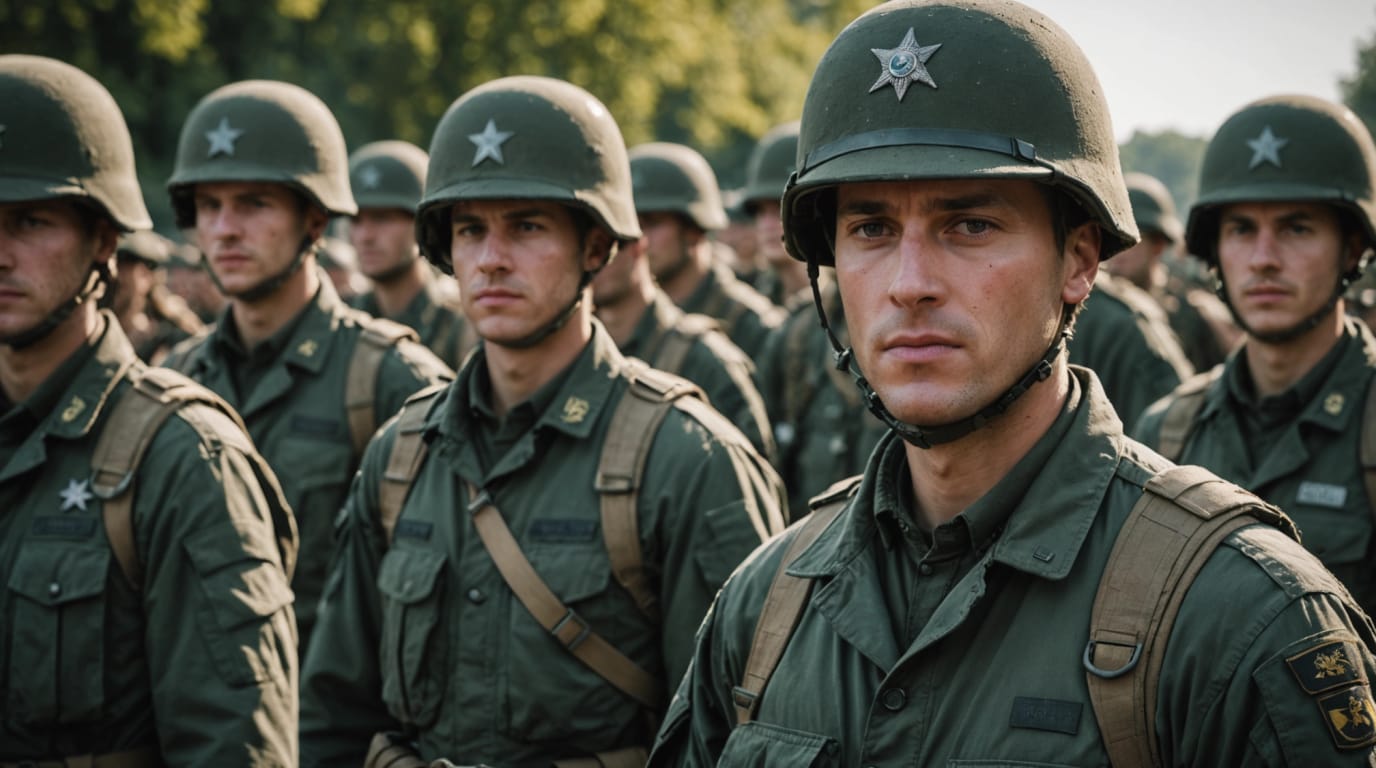
BERLIN – Amid growing concerns over European security, Germany is considering a revamped model of voluntary military service aimed at strengthening its armed forces, the Bundeswehr. The proposal comes as Germany grapples with personnel shortages and a shifting geopolitical landscape, particularly in light of the ongoing conflict in Ukraine.
Addressing Personnel Shortages
For years, the Bundeswehr has faced challenges in maintaining adequate troop numbers. Compulsory military service was suspended in 2011, transitioning the military to a smaller, professional force. However, this shift has led to difficulties in recruitment, prompting the government to explore new strategies to attract young Germans to military service. The new voluntary service model is designed to address these shortages and bolster the ranks of both active soldiers and reservists.
The Proposed Model
Defense Minister Boris Pistorius unveiled the initial plans for the new military service model in June 2024. A key component of the proposal involves sending a questionnaire to all 18-year-old men and women to assess their interest and suitability for military service. While completing the questionnaire would be mandatory for men, women would have the option to participate voluntarily, aligning with the German constitution. Based on the responses, a select group of individuals will be invited for medical examinations and further evaluation. Those deemed most motivated and physically fit will be offered the opportunity to enlist for an initial period of six months, with the possibility of extending their service up to 23 months.
Inspired by Sweden
The German plan draws inspiration from the Swedish military service model, which relies on a combination of selective conscription and a strong emphasis on volunteerism. Like Sweden, Germany aims to identify and recruit individuals who are genuinely interested in military service, fostering a more dedicated and capable fighting force. The new model also seeks to improve the integration of active troops and reservists through regular joint training exercises. The long-term goal is to increase the number of reservists to around 200,000, enhancing Germany's overall defense readiness.
Political Considerations and Challenges
The proposal has sparked debate among political parties in Germany. While some support a purely voluntary approach, others advocate for a return to some form of compulsory service. The Christian Democrats, for example, have suggested a mandatory year of community service, which could be fulfilled in the Bundeswehr or in social organizations. The far-right AfD party has proposed basic military training for all men aged 18-25.
Implementing the new military service model also presents logistical challenges. The Bundeswehr faces constraints in terms of infrastructure, training capacity, and available instructors. These limitations could hinder the ability to train a large number of new recruits effectively. To achieve its personnel goals, the Bundeswehr will need to expand its training capacity and address these infrastructural bottlenecks.
Implications for German and European Security
The decision to revamp military service in Germany reflects a broader trend among European nations to strengthen their defense capabilities in response to growing security concerns. Russia's invasion of Ukraine has served as a wake-up call, prompting many countries to reassess their military preparedness and invest in defense spending. By bolstering its armed forces, Germany aims to play a more active role in ensuring the security of Europe and fulfilling its commitments to NATO. A stronger Bundeswehr would not only enhance Germany's ability to defend its own territory but also contribute to the collective defense of the alliance.
Conclusion
Germany's plan to introduce a new voluntary military service model represents a significant step towards strengthening its armed forces and addressing personnel shortages. While challenges remain in terms of implementation and political consensus, the proposal reflects a growing recognition of the need for enhanced defense capabilities in a changing world. By drawing inspiration from successful models like Sweden's and focusing on attracting motivated volunteers, Germany hopes to build a more robust and capable military that can contribute to the security of Europe. The coming months will be crucial in shaping the final details of the plan and determining its long-term impact on the Bundeswehr and Germany's role in international security.


