Germany Forges Ahead in Bid for Digital Sovereignty, Reducing Reliance on U.S. Tech
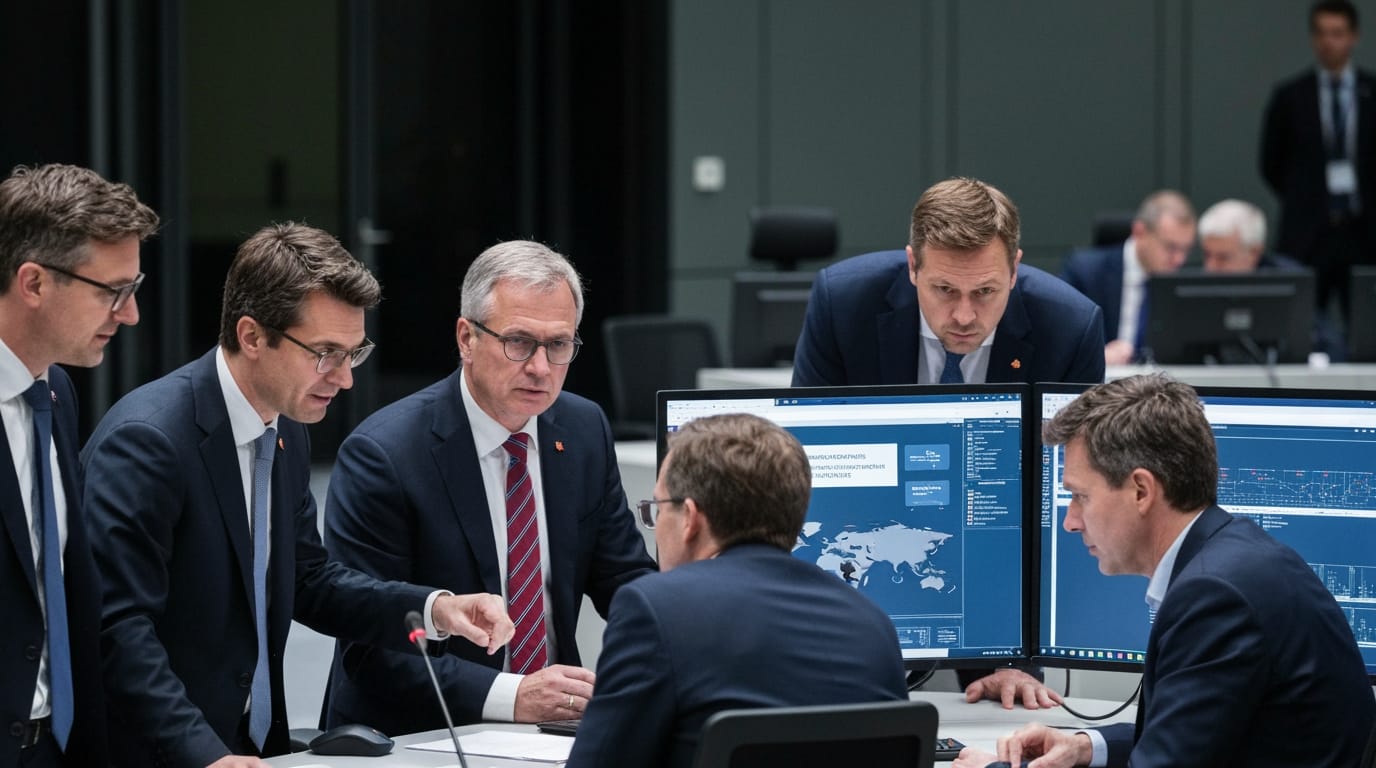
BERLIN, Germany – In a significant strategic pivot, the German public sector is accelerating its efforts to reduce its longstanding reliance on U.S. technology, driven by a burgeoning imperative for digital sovereignty and heightened data privacy concerns. This sweeping transformation encompasses a concerted shift towards open-source software, the development of national cloud infrastructure, and a broader European initiative to reclaim control over critical digital ecosystems. The move signifies a growing determination to safeguard sensitive government data and ensure operational independence in an increasingly complex geopolitical landscape.
The Rationale Behind the Shift: Digital Sovereignty and Data Protection
Germany's push for digital autonomy has evolved into a national priority, gaining considerable momentum since 2018. At its core, this drive is motivated by a desire to exert control over the nation's digital infrastructure, data, and technology ecosystems, operating independently and aligned with European values of privacy and openness. A primary catalyst for this shift stems from the inherent conflict between stringent European data protection regulations, such as the General Data Protection Regulation (GDPR), and U.S. legislation like the CLOUD Act. The U.S. CLOUD Act allows American authorities to compel U.S.-based technology companies to provide access to data, regardless of where that data is physically stored, creating a precarious legal environment for European entities utilizing American cloud services. Revelations from Edward Snowden in 2013, which exposed the extent of U.S. surveillance capabilities, further fueled these anxieties, highlighting the potential vulnerability of European data to extraterritorial access.
Beyond privacy, geopolitical considerations play a crucial role. European governments have grown increasingly wary of potential service disruptions or data access mandates driven by U.S. political or legal pressures. This perceived vulnerability underscores a broader effort to reduce dependence on foreign powers and build a more resilient digital infrastructure capable of withstanding external influences. For Germany, digital sovereignty is fundamentally about ensuring that critical services and sensitive information remain under national or European control, fostering trust and stability within its public administration and across its economy.
Concrete Measures and Strategic Initiatives
Germany has embarked on a multi-faceted approach to achieve its digital sovereignty objectives, implementing a range of strategic initiatives and projects:
A cornerstone of this strategy is the Government Cloud Strategy, a comprehensive plan adopted by the IT Planning Council in October 2020. This blueprint aims to establish an interoperable, modular federal cloud infrastructure across federal, state, and municipal levels. Key principles guiding this strategy include digital sovereignty, vendor independence, and the adoption of open standards. By promoting a multi-cloud approach, the government seeks to avoid "vendor lock-in" and integrate the most suitable solutions for specific applications, with an implementation project initiating in January 2024.
Parallel to cloud development, Germany is significantly bolstering its commitment to Open Source Software (OSS) adoption. A comprehensive open-source policy at the federal level was strengthened in 2021, emphasizing the importance of OSS in the nation's digital strategy. In 2022, the Centre for Digital Sovereignty of Public Administration (ZenDiS) was established to centrally manage and steer OSS developments, aiming to enhance digital sovereignty by providing secure, stable, and scalable open-source solutions. Practical applications include projects like "Sovereign Workplace" and "openDesk," designed to offer secure, browser-based open-source alternatives to proprietary software prevalent in public administration, such as Microsoft 365. The open CoDE platform, launched in June 2022, further facilitates this by providing a collaborative space for public administration to share source code. The federal state of Schleswig-Holstein has emerged as a frontrunner, migrating 44,000 employees from Microsoft systems to open-source alternatives and even considering a shift to the Linux operating system. Most notably, Germany has banned Microsoft Office formats (Word, Excel, PowerPoint) from government documents nationwide, mandating the use of vendor-neutral Open Document Format (ODF) and PDF to eliminate reliance on a single foreign company for accessing national records.
On a broader European scale, Germany, alongside France, initiated the Gaia-X project in 2019. This ambitious undertaking aims to create a secure, open, and interoperable data infrastructure across Europe, grounded in European values of transparency, data protection, and self-determination. Gaia-X has progressed beyond its development phase into implementation, with funded projects spanning various sectors, including mobility, finance, healthcare, and the public sector, all working towards fostering a trusted data ecosystem.
Challenges and Hurdles on the Path to Autonomy
Despite these ambitious initiatives, Germany's path to full digital sovereignty is fraught with challenges. The entrenched dominance of U.S. technology providers remains a significant hurdle. Amazon, Microsoft, and Google collectively command nearly 70% of the European cloud market, wielding substantial influence over digital infrastructure. European providers often face a considerable gap in technical capabilities, particularly concerning advanced AI tools, machine learning platforms, and the extensive global infrastructure offered by their U.S. counterparts.
The transition itself presents considerable obstacles. Achieving true European cloud independence is both an expensive and technically complex undertaking. Public administrations also report a lack of skilled workers as a limiting factor in adopting open-source software, alongside lingering security concerns among some entities. Furthermore, deeply established ecosystems built around proprietary U.S. platforms, such as Microsoft 365, require significant effort and investment to dismantle and replace. Even ambitious environmental goals, like Germany's aim to power new data centers exclusively with renewable energy by 2030, face practical challenges due to an insufficient supply of green power.
Broader European Context and Future Outlook
Germany's drive for digital sovereignty is not an isolated endeavor but rather a leading component of a wider European push for technological autonomy. Other European nations, including France, are also taking decisive steps to reduce reliance on U.S. tech, with French civil servants, for instance, moving away from U.S.-based video conferencing tools. The European Union as a whole is advancing initiatives such as the EuroHPC program for high-performance computing, the EUDI Wallet for digital identity, and regulatory frameworks like the AI Act and NIS2, all designed to strengthen European control over critical digital infrastructure and data.
Experts emphasize the need for harmonized digital regulations, simplified bureaucratic processes, and increased investment across the EU to foster a robust and competitive European tech sector. While the goal is not complete autarky, it is a strategic diversification to reduce critical dependencies and enhance control. Upcoming regulations, such as NIS-2 and DORA, are set to elevate data sovereignty from a recommended practice to a legal obligation by 2026, further solidifying the trajectory towards European digital independence.
In conclusion, Germany's concerted efforts to reduce its reliance on U.S. technology underscore a fundamental shift in its approach to digital governance. By prioritizing digital sovereignty, investing in open-source solutions, developing national cloud strategies, and collaborating within a broader European framework, Germany aims to build a more secure, independent, and values-aligned digital future. The journey is complex and challenging, yet the commitment to achieving a resilient and self-determined digital landscape for Germany and Europe remains resolute.


