Germany Forges Deeper Ties with Africa in Quest for Energy Security and Sustainable Growth
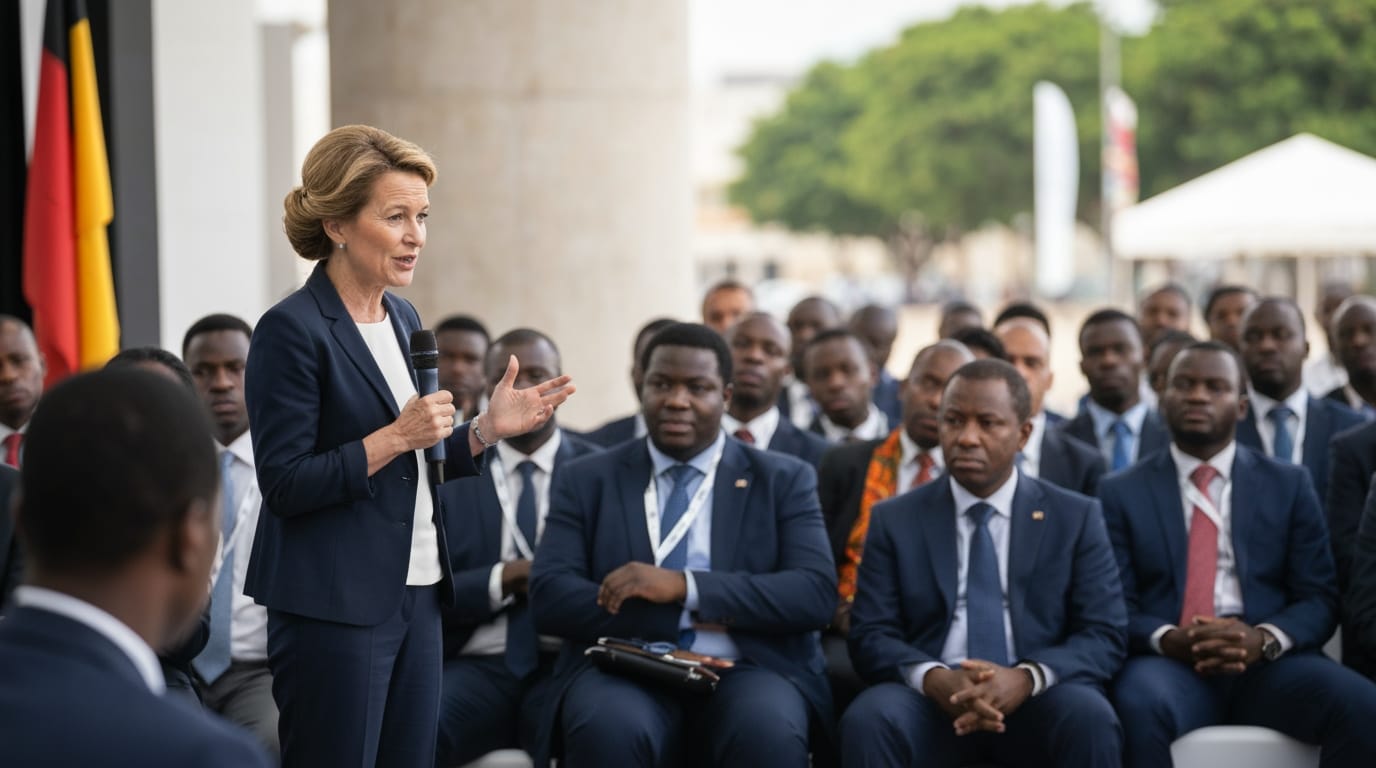
Berlin, Germany – Driven by a pressing need to diversify its energy sources, secure critical raw materials, and foster new economic partnerships, Germany is significantly expanding its engagement across Africa. This strategic pivot, intensified by recent geopolitical shifts and an urgent commitment to climate neutrality, signals a profound reorientation of German foreign and economic policy towards the African continent.
For decades, Germany's relationship with African nations often centered on development aid and traditional trade. However, the energy crises of recent years, particularly the disruption of Russian energy supplies, have compelled Berlin to seek new, reliable partners for both fossil fuels and the renewable energy resources essential for its ambitious green transition. This renewed focus is manifesting in high-level diplomatic missions, substantial investment pledges, and a concerted effort to establish more equitable and mutually beneficial trade relationships.
The Geopolitical Imperative: Energy Security and Supply Chain Resilience
Germany's intensified outreach to Africa is fundamentally rooted in its pursuit of enhanced energy security and the diversification of its supply chains. The nation's previous reliance on a limited number of suppliers for energy and critical raw materials exposed vulnerabilities that Berlin is now actively working to mitigate. This has propelled Africa, rich in natural gas, abundant renewable energy potential, and vital minerals, to the forefront of Germany's strategic priorities.
High-ranking German officials, including Foreign Minister Johann Wadephul and Chancellor Friedrich Merz, have recently undertaken multi-country tours across the continent, engaging with leaders in nations like Mauritania, Nigeria, Algeria, and South Africa. These visits underscore a proactive diplomatic push to forge partnerships that extend beyond traditional aid, focusing instead on robust economic cooperation. Germany aims to secure natural gas as a transitional fuel and green hydrogen as a cornerstone of its long-term energy future. Simultaneously, Berlin is keenly interested in Africa's vast reserves of critical raw materials such as lithium, copper, cobalt, and rare earths, which are indispensable for electromobility, digitalization, and the broader energy transition.
Green Hydrogen: A Shared Vision for a Sustainable Future
A central pillar of Germany's African strategy is the development of green hydrogen production. Recognizing Africa's immense potential for solar and wind energy, Germany is investing heavily in projects designed to harness these resources for hydrogen generation. Mauritania, for instance, is positioning itself as a primary hub for the green hydrogen economy in West Africa, attracting significant German interest and investment in projects such as the $34 billion initiative led by a consortium including German project developer Conjuncta. Similarly, Namibia's $10 billion Hyphen Green Hydrogen Project, aiming to produce green ammonia for global export, involves strong German partnership.
Germany has pledged €4 billion for green energy projects across Africa by 2030, with a strong emphasis on green hydrogen capacity. This commitment is part of a broader effort, including the €150 billion Global Gateway initiative, to enhance energy engagement and infrastructure development. Experts note that West African countries alone could produce up to 165,000 TWh of green hydrogen annually, far exceeding Germany's projected demand for 2030, highlighting the scale of the opportunity. This focus on green hydrogen represents a shift from a historical emphasis on development cooperation to a more comprehensive approach combining energy diplomacy, technology transfer, and joint ventures.
Expanding Beyond Energy: Trade, Investment, and Raw Materials
While energy is a significant driver, Germany's engagement with Africa encompasses a broader spectrum of economic activities. Germany remains Africa's fourth-largest trade partner within the European Union, with trade volumes consistently growing. Partnerships are thriving in sectors such as infrastructure, manufacturing, and digital innovation. Countries like South Africa, Germany's most important partner in Sub-Saharan Africa, saw trade exceed €20 billion in 2024. Germany has supported South Africa's industrial development, skills training, and energy transition, including a €200 million concessional loan for grid upgrades to integrate more renewable energy.
The pursuit of critical raw materials is also reshaping Germany's policy. Faced with dependencies on a few dominant suppliers, notably China, Germany is seeking binding raw material partnerships with African states. This new approach aims to expand local processing capacity in Africa, invest in infrastructure linked to the African Continental Free Trade Area, and ensure fair competition and environmentally responsible mining practices. This paradigm shift intends to move away from purely extractive models, seeking instead to create opportunities for African countries to capture greater value within global supply chains and strengthen Germany's industrial resilience.
Addressing Challenges and Fostering Equitable Partnerships
Germany's intensified pursuit of energy and trading partners in Africa is not without its complexities and criticisms. Concerns have been raised by some critics who label certain initiatives, particularly the large-scale hydrogen import projects, as "neo-colonial." These detractors argue that such projects risk exploiting the resources of the Global South at the expense of local economic development, perpetuating an exploitative economic dynamic that prioritizes Western needs over the independent development of African nations.
However, German officials emphasize a commitment to "equal partnerships" and a departure from past models. Berlin's updated Africa policy guidelines stress the importance of African energy resources for a successful energy transition on both continents and highlight the need for investments that enhance conditions for private sector involvement and sustainable development. Initiatives like the Africa Renewable Energy Initiative (AREI), which aims to significantly boost renewable energy capacity across Africa by 2030, are supported by Germany and are driven by African actors themselves, focusing on universal access, sustainable production, and good governance.
Obstacles such as underdeveloped infrastructure, political stability, and competition from other global powers like China and Russia also present challenges to Germany's ambitions. Yet, Germany continues to foster partnerships in crucial areas like vocational training and digital innovation, recognizing the human element in long-term, sustainable cooperation.
A Future of Interdependence
Germany's evolving relationship with Africa reflects a growing recognition of mutual dependence in an increasingly interconnected and complex world. For Germany, Africa represents a crucial answer to its energy security dilemmas, its climate aspirations, and its quest for resilient supply chains. For African nations, these partnerships offer avenues for substantial investment, technology transfer, and the potential to accelerate their own sustainable development and industrialization.
The success of this reorientation hinges on Germany's ability to demonstrate consistent, equitable engagement that genuinely empowers African economies and fosters shared prosperity. As high-level diplomatic and economic exchanges continue, the coming years will reveal the extent to which this ambitious "Africa shift" transforms into a truly transformative and sustainable partnership for both continents.


