Germany Grapples with Dual Assault of Scorching Heat and Violent Storms
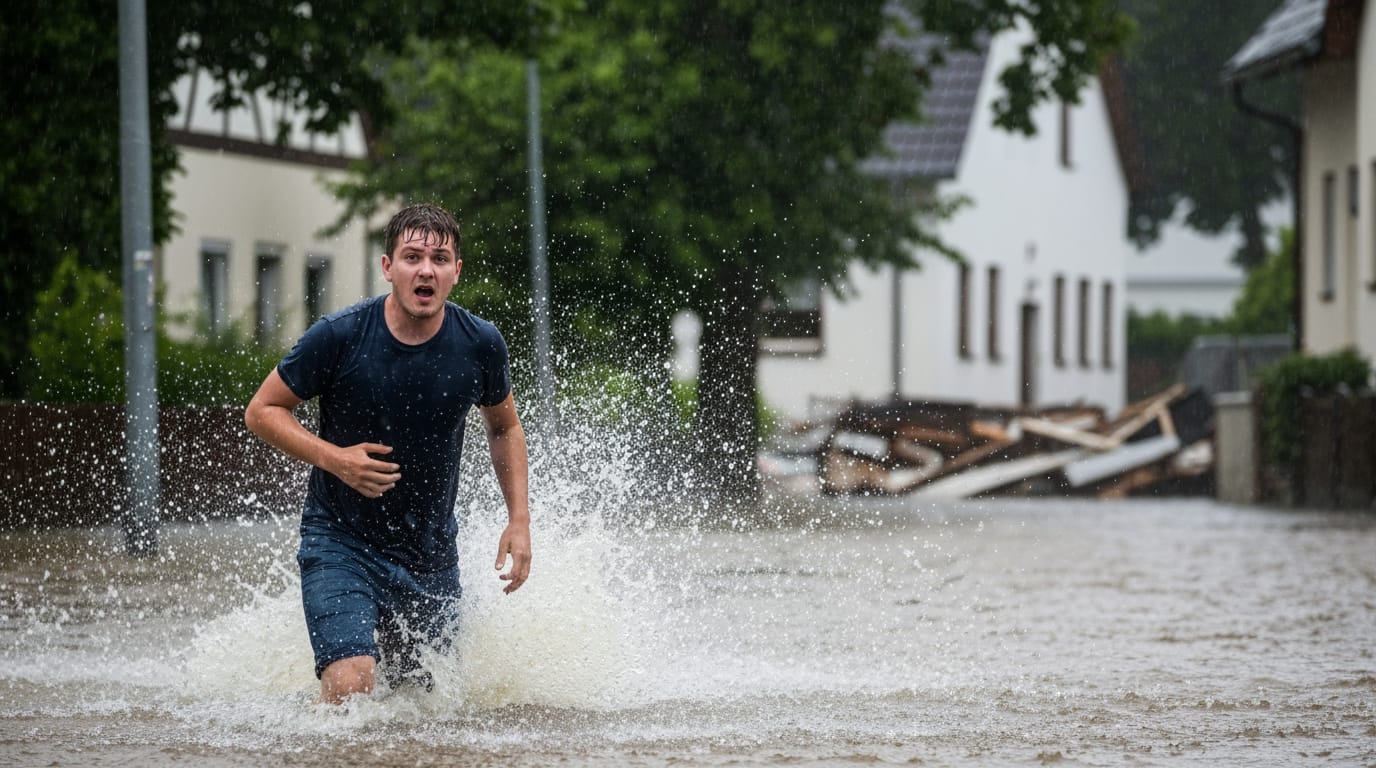
Germany is facing a summer of extremes as a potent combination of record-breaking heatwaves and severe thunderstorms sweeps across the nation, leaving a trail of disruption and damage. The fluctuating weather patterns, characterized by sweltering temperatures pushing towards 40 degrees Celsius and sudden, violent storms unleashing heavy rain, large hail, and strong winds, have severely impacted daily life, transportation, and public safety across multiple regions. Authorities have issued widespread warnings, urging citizens to prepare for significant challenges as the country navigates an increasingly volatile climate landscape.
Germany Under Siege: Dual Threat of Heat and Fury
As June progresses, Germany has found itself caught between two powerful meteorological forces: an intense heatwave and a series of destructive thunderstorms. High-pressure system 'Gorgias' has been channeling hot, humid air from Northwest Africa into Central Europe, driving temperatures significantly above seasonal averages. In late May, parts of Europe, including Germany, experienced record-shattering heatwaves, with temperatures 10 to 15 degrees Celsius higher than normal. This trend continued into June, with forecasts predicting temperatures to reach up to 36 degrees Celsius in regions like the Upper Rhine and parts of the southwest, and even climb towards 40 degrees Celsius in some areas as the weekend approached. The German Weather Service (DWD) issued Level 1 and Level 2 heat warnings, the highest possible, for numerous regions, highlighting the risk of heat stress, particularly for vulnerable populations such as the elderly, young children, and individuals with pre-existing conditions. Health experts have emphasized the accumulating impact of prolonged exposure to high temperatures on the human body.
However, the heat has not been a constant, uninterrupted presence. It has frequently given way to dramatic and often destructive thunderstorms. These severe weather events have been characterized by torrential downpours, with some areas experiencing up to 30 liters of rain per square meter, hailstones larger than two centimeters, and wind gusts reaching up to 100 kilometers per hour. Isolated incidents have seen even more extreme conditions, including a tornado with winds of up to 150 kilometers per hour striking Gronau, causing localized damage. This volatile pattern aligns with what climatologist Karsten Brandt described as a "European summer monsoon," bringing repeated showers and thunderstorms, though often without a sustained drop in overall temperatures.
Widespread Disruptions and Infrastructure Strain
The sudden and intense nature of these weather phenomena has led to significant disruptions across various sectors. Air travel bore a considerable brunt, with severe thunderstorms on June 3, 2026, disrupting 447 flights at Germany's four busiest airports: Frankfurt, Munich, Berlin Brandenburg, and Hamburg. This resulted in 422 delays and 25 cancellations, particularly affecting major carriers like Lufthansa and Eurowings. Passengers faced long waits, repeated schedule changes, and the stressful search for alternative travel, with the worst congestion occurring at Frankfurt and Munich airports.
Ground transportation also experienced severe impacts. Regional rail lines were affected or closed, and city trains in Munich were entirely stopped overnight on at least one occasion. Roads in affected areas were prone to flash flooding, with incidents reported of drivers getting stuck in flooded streets. Beyond transport, the storms left tangible damage to infrastructure and property. Fire departments, especially in North Rhine-Westphalia and Lower Saxony, responded to hundreds of calls due to flooded basements and fallen trees. For instance, the Steinfurt district alone reported approximately 800 call-outs, primarily for water-related emergencies and tree removals. In and around Freiburg, police were called 600 times for incidents including basement and street flooding.
The human cost of these storms includes a number of injuries. At a campsite near Lake Constance, several people were injured by falling trees, with one person sustaining serious injuries and six requiring hospitalization. Elsewhere, ten individuals were injured by flying debris when a storm impacted a group of motorcyclists in Nördlingen, Bavaria, three of whom were hospitalized. A lightning strike during a sports event in Rastatt, near the French border, injured at least nine people, with six transported to the hospital, though none with life-threatening conditions.
Emergency Response and Community Resilience
In response to the escalating weather threats, Germany's emergency services and meteorological agencies have been working overtime. The German Weather Service (DWD) has consistently issued severe weather warnings and advisories, providing crucial information to the public regarding anticipated heavy rainfall, hail, and strong winds. These warnings aim to enable precautionary measures, such as adjusting daily routines during heatwaves, seeking shelter during storms, and avoiding strenuous physical activity.
Local fire departments and civil protection units have been at the forefront of the immediate response, managing the aftermath of floods and high winds. Their deployments have included clearing fallen trees, pumping out flooded cellars, and rescuing individuals from hazardous situations. Evacuations were necessary in some instances, such as the overnight evacuation of approximately 1,200 people from two campsites on Lake Constance due to severe storms. Beyond immediate relief, a report commissioned by the Office for Civil Protection and Disaster Assistance (BBK) in April 2025 highlighted the increasing demands on Germany's largely volunteer-based emergency response system. The report called for more attractive conditions to recruit and retain volunteers, emphasizing that 94% of fire brigades and 98% of the Federal Agency for Technical Relief (THW) consist of volunteer emergency personnel. This underscores the critical role of community resilience and volunteer engagement in coping with the rising frequency of extreme weather events.
The Shifting Climate Landscape
The recent string of extreme weather events in Germany is not an isolated phenomenon but rather indicative of broader climate trends affecting Europe. Scientists and meteorologists increasingly link the intensity and frequency of these events to climate change. Europe is warming faster than any other continent, and this accelerated warming is contributing to more frequent heatwaves and more energetic storm systems. The early onset of severe heatwaves in May 2026, breaking historical records, has been explicitly cited as being influenced by climate change.
The human toll of extreme heat alone has been significant; the Robert Koch Institute reported 2,500 heat-related deaths in Germany last year. Federal Environment Minister Carsten Schneider acknowledged that "climate change is being felt all over the world, including here in Germany and Europe," noting that extreme weather, including droughts, heavy rain, and heat, poses problems for many. Experts caution that while thunderstorms might offer temporary relief from the heat, they often do not lead to a sustained drop in temperatures, which are quick to rebound. This suggests a future where periods of intense heat will likely be interspersed with violent, but fleeting, storm activity, demanding continuous adaptation and preparedness.
Conclusion
Germany's summer of 2026 has brought into sharp focus the growing challenges posed by extreme weather. From widespread flight cancellations and disrupted rail services to flooded homes and injuries from falling trees and lightning, the dual threat of relentless heat and violent thunderstorms has tested the nation's infrastructure, emergency services, and public resilience. As meteorological forecasts continue to warn of ongoing volatility and the broader implications of climate change become more apparent, the need for robust adaptation strategies, well-supported emergency response systems, and heightened public awareness is more critical than ever. The events of this summer serve as a stark reminder that preparing for and responding to increasingly unpredictable weather patterns will remain a defining challenge for Germany and the wider European continent.


