Germany Grapples with Google's €5.5 Billion Data Center Expansion: A Balancing Act of Progress and Precaution
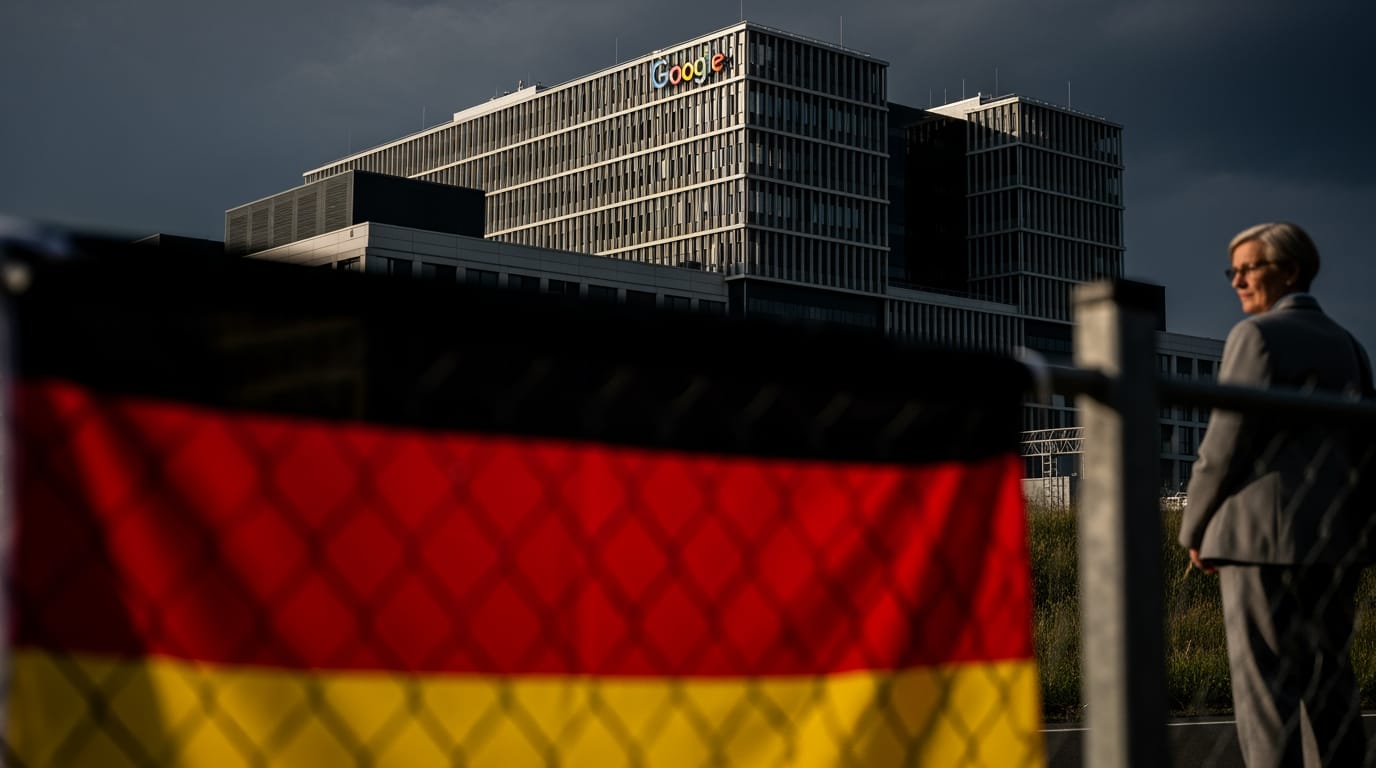
BERLIN – Google's recent announcement of a monumental €5.5 billion investment in German digital infrastructure through 2029, encompassing new data centers and expanded offices, has ignited a complex national dialogue, weighing the promise of technological advancement and economic growth against deeply ingrained concerns over data privacy, environmental impact, and digital sovereignty. While government officials largely welcome the tech giant's commitment as a significant boost to Germany's digital ambitions, a palpable wariness permeates public discourse and expert analysis, reflecting the nation's historical caution regarding the control and implications of digital power.
The Digital Deluge: Google's Ambitious Plans for Germany
Google's substantial investment, billed as its largest to date in Germany, targets the construction of a new data center in Dietzenbach, near Frankfurt, and further expansions at its existing Hanau facility, which commenced operations in 2023. Beyond core data infrastructure, the initiative also includes bolstering office spaces in key hubs like Berlin, Frankfurt, and Munich, underscoring a strategic deepening of Google's physical footprint in Europe's largest economy. This push is designed to meet the surging demand for cloud services and artificial intelligence (AI) capacity, positioning Germany as a critical European hub for these advanced technologies. German officials, including Minister for Digitization Karsten Wildberger and Finance Minister Lars Klingbeil, have lauded the investment, projecting it will secure approximately 9,000 jobs annually until 2029 and significantly contribute to the country's Gross Domestic Product. They view it as a genuine investment in innovation, AI, and climate-neutral transformation, crucial for modernizing Germany's digital infrastructure.
Echoes of History: Germany's Enduring Privacy Imperative
Central to the German apprehension is the nation's profound sensitivity to data privacy, a sentiment deeply rooted in its historical experiences. This societal value often translates into skepticism towards large, foreign tech entities and their data collection practices. While Google has actively sought to address these concerns, including establishing a privacy engineering hub in Munich in 2019 and developing "sovereign cloud solutions" designed to adhere to local requirements and European values, a degree of distrust persists. These sovereign cloud offerings, which aim to provide greater control over data residency and operational transparency, represent Google's attempt to bridge the gap between global technological solutions and stringent local privacy demands. However, critics argue that despite these efforts, the fundamental model of data collection by hyperscalers continues to challenge Germany's vision of digital autonomy, where data control rests firmly within national or European borders.
The Environmental Footprint: Powering Progress Sustainably?
Another significant area of public and expert concern revolves around the substantial environmental impact of large-scale data centers. These facilities are known for their intensive energy consumption, raising fears about increased strain on Germany's electricity grid and potential hindrances to its renewable energy goals. The planned Dietzenbach data center, located in Hesse, has particularly drawn scrutiny regarding its energy and water demands, especially amidst growing climate change concerns.
Google, however, has proactively highlighted its commitment to sustainability within its German expansion plans. The company aims for its global data centers and offices to run on 24/7 carbon-free energy by 2030. Specific initiatives in Germany include innovative waste heat recovery projects, such as integrating the Dietzenbach data center's excess heat into the local district heating network, potentially supplying hot water and heating to thousands of households. Google also points to its data centers' efficiency, reporting an average Power Usage Effectiveness (PUE) of 1.09 in 2024, significantly outperforming the industry average of 1.56. The company has even canceled a previously planned data center in Mittenwalde, Brandenburg, due to grid access issues, choosing instead to accelerate renewable energy partnerships. These efforts reflect a concerted strategy to mitigate environmental concerns and align with Germany's commitment to green initiatives, yet a fully climate-neutral data center remains a considerable challenge.
Digital Sovereignty and the Specter of Dependency
Beyond privacy and environmental considerations, the debate extends to the broader concept of digital sovereignty. While the German government frames investments like Google's as crucial for strengthening digital infrastructure and achieving digital sovereignty, some experts caution against an over-reliance on foreign capital and technology. There is a concern that while the infrastructure may be physically located in Germany, the core services, models, and intellectual property running within these centers remain predominantly under the control of non-European entities. This raises questions about whether such investments genuinely foster national digital independence or inadvertently deepen dependency on global tech giants.
The arrival of major hyperscalers like Google, Microsoft, and Amazon Web Services, all making significant investments in Germany, also raises competition issues. Local businesses and European cloud providers face the challenge of competing with the vast resources and established ecosystems of these global players. The dialogue surrounding digital sovereignty emphasizes the importance of robust digital governance and ensuring that the control and flow of strategic data remain within national borders, supporting Germany's autonomy and industrial competitiveness. Google's partnerships, such as with STACKIT for sovereign cloud solutions, represent an effort to address these concerns by ensuring local control over aspects like encryption keys and data boundaries.
Navigating the Future: A Complex Interplay
Google's significant investment in Germany marks a pivotal moment, showcasing the nation's attractiveness as a hub for advanced digital infrastructure while simultaneously highlighting the intricate challenges associated with such large-scale technological integration. The economic benefits, including job creation and enhanced digital capabilities, are undeniably appealing to German policymakers. However, the deep-seated concerns over data privacy, the substantial environmental footprint of data centers, and the strategic implications for national digital sovereignty continue to fuel a cautious approach.
The path forward involves a delicate balancing act: embracing technological innovation and investment while rigorously upholding national values and strategic independence. Public consultations, stringent environmental impact assessments, and ongoing regulatory dialogue will be critical in shaping how these massive data centers are integrated into the German landscape. Google's demonstrated efforts in sustainability and sovereign cloud solutions are steps towards addressing these concerns, but the conversation underscores a broader European challenge – how to harness the benefits of global technology while safeguarding local interests and maintaining control over the digital future. This dynamic interplay between opportunity and caution will continue to define Germany's evolving relationship with the world's leading technology companies.