Germany Grapples with Mounting Fears Over Potential Iran Refugee Wave
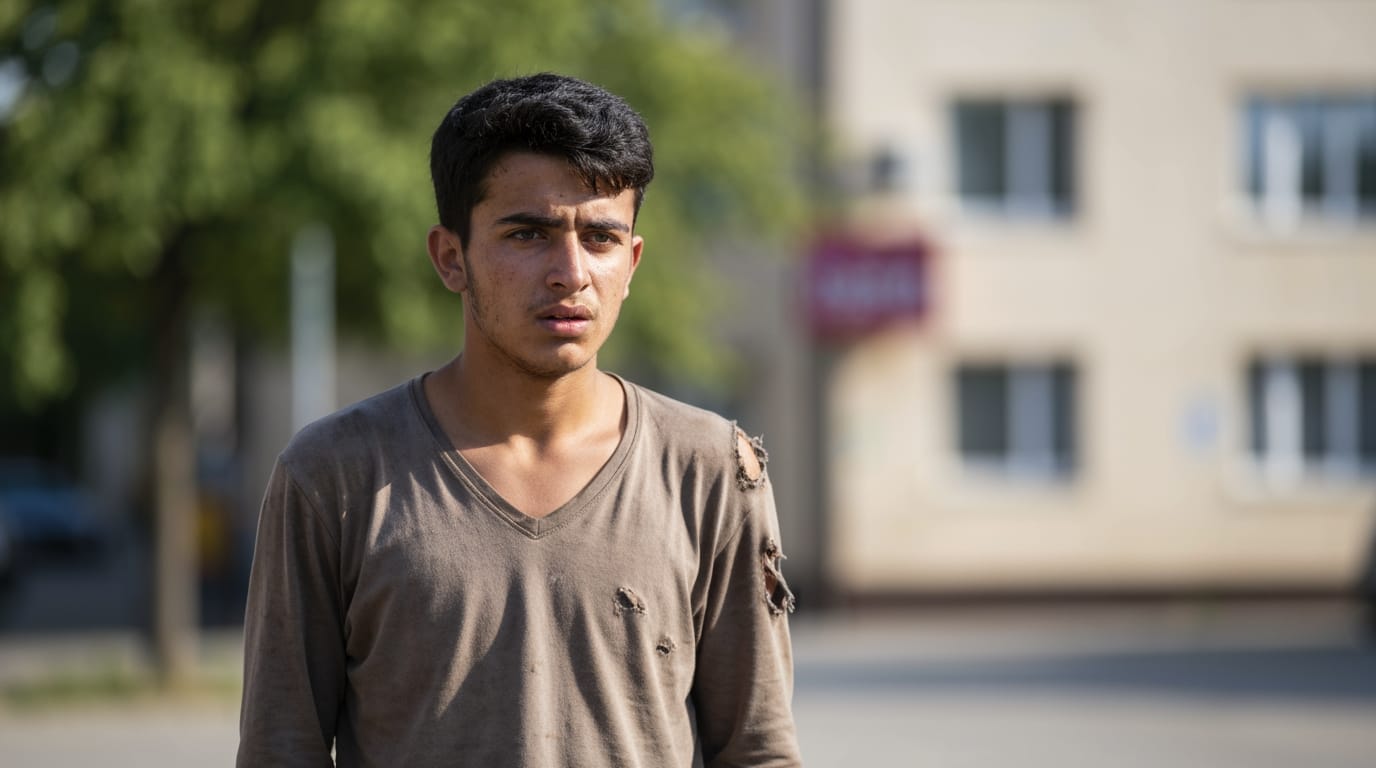
Germany is facing increasing public and political apprehension regarding the possibility of a new refugee influx should the ongoing conflict in Iran escalate further. The specter of mass displacement from the Middle East, particularly Iran, has reignited sensitive debates across the nation, with official warnings from Berlin underscoring the severity of the potential humanitarian and political challenges. European policymakers and migration experts are closely monitoring the situation, recognizing that a significant destabilization of Iran, a country of over 90 million people, could trigger migratory movements on a scale potentially exceeding previous crises.
The current climate of concern is partly informed by research indicating that Germany remains a primary destination for those potentially displaced by conflict. A study by the Berlin-based Rockwool Foundation, drawing on a 2024 Gallup survey, revealed that approximately 28% of prospective Iranian war refugees consider Germany their top choice for refuge. This finding, widely reported in German media, highlights the nation's perceived attractiveness among those seeking safety and stability, influenced by existing diaspora networks and Germany's robust integration programs.
Echoes of the Past: A Nation Shaped by Migration
Germany's current anxieties are deeply rooted in its recent history, particularly the profound impact of the 2015-2016 refugee crisis. During that period, hundreds of thousands of people, predominantly from war-torn Syria, sought asylum in Germany, placing immense pressure on the country's social systems and infrastructure. The decision by then-Chancellor Angela Merkel to welcome a large number of refugees, while lauded internationally for its humanitarian stance, also triggered significant domestic political shifts and fueled the rise of political factions advocating for stricter migration controls. This experience has left an indelible mark on Germany's public discourse and policy-making regarding immigration.
Historically, Germany has a complex and often welcoming relationship with migration. From the post-World War II influx of displaced persons and ethnic Germans to the admission of refugees from Eastern Europe during the Cold War, the nation has frequently served as a haven for those fleeing conflict and persecution. However, the scale and speed of the 2015-2016 arrivals led to broad societal discussions about integration capabilities, resource allocation, and national identity, making any prospect of a new, large-scale migration wave a highly sensitive issue.
Geopolitical Instability and Expert Warnings
The heightened concern in Germany and across Europe is a direct response to the escalating instability in Iran. European policymakers are increasingly worried about the downstream effects of a wider conflict involving Iran, which could lead to widespread displacement. The European Union Agency for Asylum (EUAA) has cautioned that even a partial destabilization of Iran could initiate refugee movements of an unprecedented magnitude, potentially overwhelming existing asylum systems in Europe.
Experts point to Iran's large population, exceeding 90 million, as a critical factor. Even a relatively small percentage of its citizens choosing to flee could result in millions of displaced individuals, far surpassing the numbers seen during the Syrian civil war. The economic deterioration in Iran, exacerbated by sanctions and inflation, coupled with military strikes and internal unrest, could compel large segments of the population, including the urban middle class, to seek safety abroad. Furthermore, Iran currently hosts millions of Afghan refugees, and any internal conflict could accelerate their expulsion, potentially creating a "mixed flow" of Iranian and Afghan refugees heading towards Europe. Turkey is anticipated to be the first major recipient and transit point, similar to its role in 2015, which could significantly impact migration routes towards Europe.
German and European Policy Responses
In response to these growing concerns, German officials have articulated a clear strategy focused on preventing a large-scale refugee crisis at its source. German Chancellor Friedrich Merz has underscored Germany's "vital security interest" in preventing the collapse of the Iranian state, warning that such a scenario could lead to a "Syrian scenario on steroids" and propel hundreds of thousands of displaced individuals towards the EU's external borders. He has advocated for diplomatic solutions and stability in Iran to avert an uncontrolled migration wave.
German Foreign Minister Johann Wadephul has also voiced similar concerns, emphasizing the need for European countries to act proactively to prevent internally displaced people from becoming refugees migrating to Europe. Germany has pledged nearly 100 million euros in additional humanitarian aid to support affected areas in the Middle East, such as Lebanon, aiming to alleviate pressure on populations forced from their homes and provide assistance within the region. This approach reflects a broader European strategy of providing help where it is most needed to mitigate humanitarian crises and stabilize affected populations, thereby reducing the impetus for onward migration. The EU is reportedly preparing contingency plans for large-scale displacement, and the EU Pact on Migration and Asylum, with updated rules for migrant intake, is set to come into effect in June 2026.
Navigating a Complex Future
The prospect of a new refugee wave from Iran presents a complex challenge for Germany and the wider European Union. The public's heightened sensitivity, informed by past experiences, converges with the stark geopolitical realities of the Middle East. While German and European officials are actively pursuing diplomatic avenues and humanitarian aid to stabilize the region, the potential for widespread displacement remains a significant concern. The trajectory of the conflict in Iran and its humanitarian consequences will undoubtedly shape migration policies, political debates, and the social fabric of Europe in the coming years. The imperative for international leadership and coordinated efforts to prevent a larger humanitarian catastrophe and its ripple effects across continents is more urgent than ever.


