Germany Grapples with Nuclear Weapons Debate Amid Shifting Geopolitical Landscape
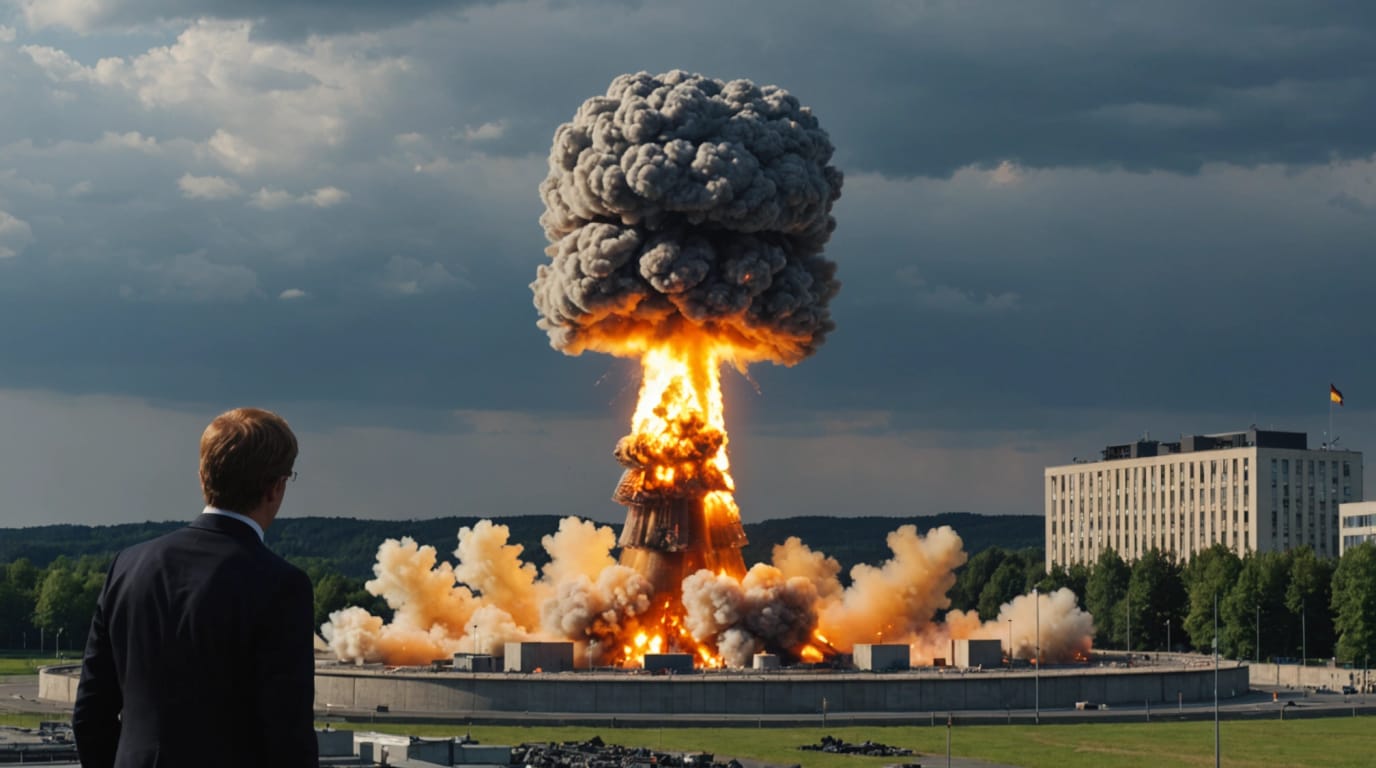
Germany is currently engaged in a vigorous debate regarding nuclear weapons, fueled by growing uncertainty about the United States' commitment to European security and the ongoing Russian aggression in Ukraine. This renewed discussion encompasses a range of issues, from the role of nuclear deterrence in European security to the possibility of Germany developing its own nuclear arsenal or seeking protection under a European nuclear umbrella.
Historical Context and Current Challenges
For decades, Germany has relied on a combination of U.S. extended nuclear deterrence through NATO and a strong commitment to arms control, disarmament, and non-proliferation to ensure its security. This arrangement has allowed Germany to promote arms control and disarmament goals while maintaining its security through NATO's nuclear sharing arrangements. However, recent events, such as former U.S. President Donald Trump's threats to withdraw from NATO and Russia's actions in Ukraine, have tested this long-standing policy. These challenges have ignited a national debate about nuclear weapons, marking a significant turning point – a "Zeitenwende" – in German foreign and security policy.
The Core of the Debate
The debate centers around several key questions: Can Europe rely on the U.S. nuclear umbrella in the future? Should the EU develop its own nuclear deterrent? Could France and the United Kingdom step in to provide nuclear protection for Germany? Or should Germany pursue its own nuclear weapons program?
Several factors are driving this debate. First, there is growing concern about the reliability of the U.S. commitment to defend its NATO allies, particularly in light of statements made by Donald Trump suggesting that the U.S. might not automatically come to the defense of NATO members who do not meet their defense spending targets. This uncertainty has led some German politicians to question whether Europe can continue to rely on the U.S. for its nuclear security.
Second, Russia's aggression in Ukraine has heightened security concerns in Germany and other European countries. The conflict has demonstrated Russia's willingness to use military force to achieve its political goals, raising fears about the potential for further Russian aggression in Europe. This has led some to argue that Europe needs to strengthen its deterrence capabilities, including its nuclear deterrent, to deter Russia from attacking a NATO member.
Potential Solutions and Obstacles
Several potential solutions have been proposed, each with its own set of challenges and obstacles.
A European Nuclear Deterrent
One proposal is for the EU to develop its own nuclear deterrent, potentially based on the existing nuclear arsenals of France and the United Kingdom. However, this idea faces significant political and practical obstacles. First, it would require France and the United Kingdom to agree to share their nuclear weapons with the EU, which is unlikely given the sensitive nature of nuclear weapons and the national security concerns of these countries. Second, it would require the EU to develop a unified command and control structure for its nuclear forces, which would be a complex and politically challenging task. Third, it would require the EU to address concerns about nuclear proliferation, as some countries might worry that an EU nuclear deterrent could lead to the spread of nuclear weapons to other countries.
Marie-Agnes Strack-Zimmermann, head of the Bundestag defense committee, has stated that the EU should prioritize other areas over developing an independent nuclear deterrent, which she considers an unrealistic proposal. She believes that building a common European army and cyber defense should be a higher priority.
German Nuclear Weapons
Another proposal is for Germany to develop its own nuclear weapons. However, this idea is highly controversial and faces strong opposition within Germany and internationally. Germany is a signatory to the Treaty on the Non-Proliferation of Nuclear Weapons (NPT), which prohibits it from developing nuclear weapons. Developing its own nuclear arsenal would violate this treaty and could lead to international sanctions and condemnation. Moreover, there is little public support in Germany for the country to acquire its own nuclear weapons. A poll conducted in 2024 showed that 90% of Germans reject the notion that the country should have its own nuclear weapons.
Franco-British Nuclear Protection
A third proposal involves Germany seeking nuclear protection from France and the United Kingdom. Friedrich Merz, chairman of the Christian Democratic Union, suggested discussions with the UK and France about nuclear sharing or security. French President Emmanuel Macron has indicated a willingness to discuss European deterrence, but stressed the need for careful consideration given the current strategic context.
The Role of the United States
The future of U.S. nuclear extended deterrence in Europe is a key factor in the German nuclear debate. While the U.S. has long been committed to defending its NATO allies, recent statements by U.S. politicians have raised doubts about the reliability of this commitment. If the U.S. were to withdraw its nuclear weapons from Europe or reduce its commitment to NATO, Germany would face a difficult choice: either accept a reduced level of security or seek alternative ways to deter potential aggressors.
Media Influence
The German media discourse has also played a role in shaping the nuclear debate. According to thebulletin.org, a newfound hawkishness has come to dominate the German media, with restraint being considered weak. This shift in media sentiment has contributed to a more favorable view of nuclear weapons among the German public.
Conclusion
The debate over nuclear weapons in Germany is complex and multifaceted, with no easy answers. The outcome of this debate will have significant implications for Germany's security policy, as well as for the future of European security. As Germany navigates this challenging issue, it will need to carefully consider its options and weigh the risks and benefits of each approach. The country's decision will not only shape its own security posture but also influence the broader dynamics of European defense and transatlantic relations.


