Germany Grapples With Proposal to Reopen Nord Stream Pipelines
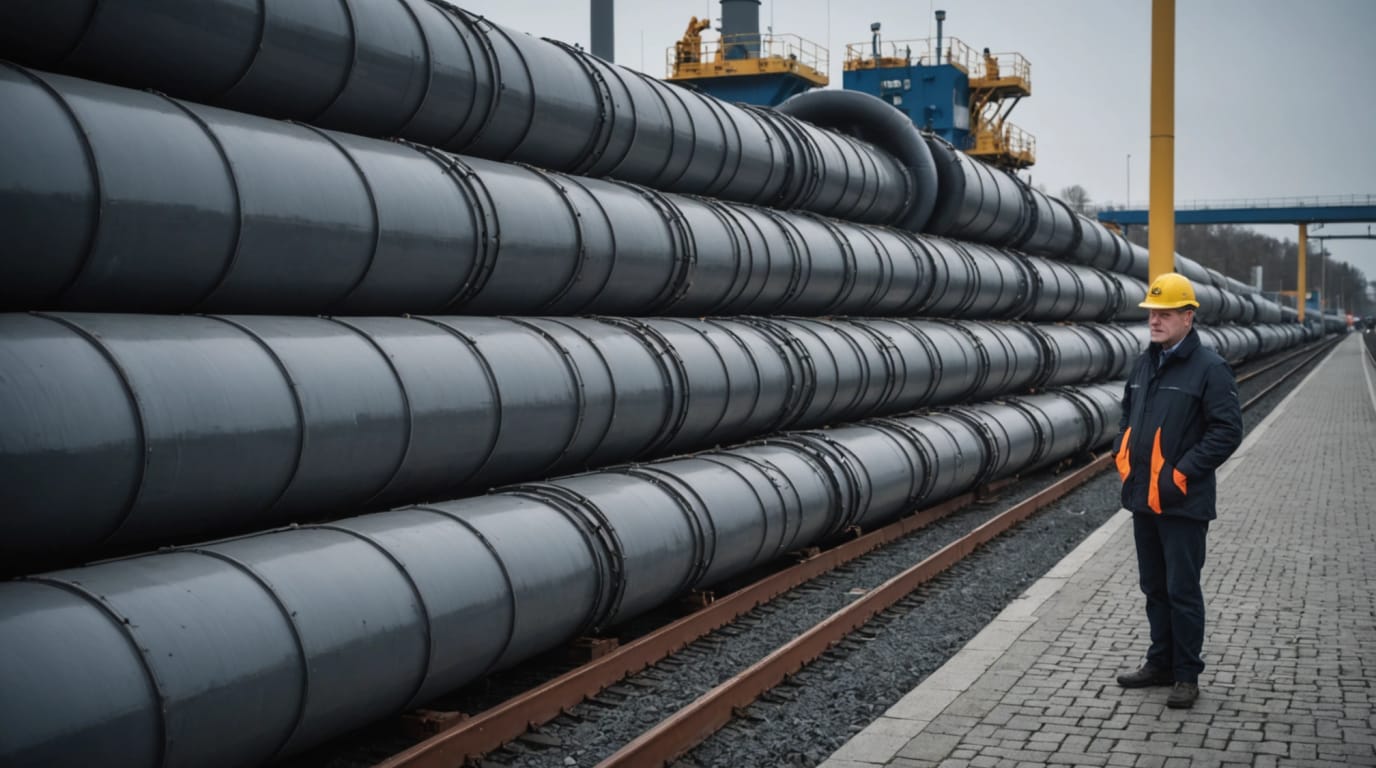
Germany is facing renewed debate over the potential reopening of the Nord Stream pipelines, which have been inactive since suffering damage from suspected sabotage in late 2022. The discussion comes amid shifting geopolitical dynamics, including reported talks between the U.S. and Russia regarding the pipelines' future, and as Germany navigates its energy security strategy in the wake of the Ukraine war.
The Geopolitical Landscape
Russian Foreign Minister Sergey Lavrov recently stated that discussions are underway between the U.S. and Russia concerning the Nord Stream pipelines. He suggested the U.S. could influence Europe to reconsider its stance on Russian gas imports, potentially as part of a broader effort to resolve the conflict in Ukraine. These discussions coincide with reports of American investors exploring a revival of the Nord Stream 2 project.
However, the potential for renewed reliance on Russian gas is causing consternation among some EU members, particularly those in Eastern Europe. Poland, the Baltic states, and Ukraine have historically opposed the pipelines, arguing they increase Europe's dependence on Russian energy and undermine Ukraine's transit revenue. Polish President Andrzej Duda has urged European leaders to resist the temptation to resume Russian gas supplies, warning of the energy, military, and economic threats it poses to Central European countries.
Germany's Energy Dilemma
Before the war in Ukraine, Germany relied heavily on Russia for its gas supply, with Nord Stream 1 becoming the largest source of Russian gas to Europe. The shutdown of the Nord Stream pipelines and the subsequent reduction in Russian gas exports triggered an energy crisis in Europe, leading to record-high gas prices.
In response, Germany has sought to diversify its energy sources, primarily through increased imports of liquefied natural gas (LNG) and alternative suppliers like Norway. The German government has also emphasized energy independence from Russia as a key strategic objective. Economy Minister Robert Habeck has cautioned against reviving the Nord Stream pipelines, calling it "absolutely the wrong direction" and stressing the need to support Ukraine.
Despite these efforts, some German politicians, particularly within the conservative Christian Democratic Union (CDU), have suggested that Russian gas could still play a role in Germany's energy future, especially if a "just and secure peace" is established in Ukraine. They argue that pipeline gas from Russia could be more affordable and climate-friendly than LNG.
Technical and Legal Hurdles
Even if political consensus were reached, significant technical and legal challenges remain. The Nord Stream pipelines suffered extensive damage in September 2022 due to underwater explosions, rendering them inoperable. While investigations into the incident are ongoing, no party has claimed responsibility.
Repairing the damaged pipelines would be a complex and costly undertaking. One of the Nord Stream 2 pipelines remains undamaged, but it never received final approval from German regulators and is subject to sanctions. Nord Stream 2 AG, the company behind the pipeline, faces a May 9 deadline to repay its debts or risk bankruptcy.
Furthermore, any revival of Russian gas flows would require new legal certifications, potentially facing opposition from European countries wary of increasing their dependence on Russia. A top executive at Shell, a key financial backer of the project, has stated that Gazprom must first resolve its ongoing arbitration cases in Europe before any talks on reviving Nord Stream 2 can occur.
Alternative Solutions and Future Prospects
As the debate over Nord Stream continues, Germany is exploring alternative solutions to ensure its energy security. These include:
- LNG Imports: Germany is investing heavily in LNG terminals to increase its import capacity. The economy ministry expects LNG import capacity to reach 37 billion cubic meters per year in 2024.
- Hydrogen Transport: There have been considerations of repurposing parts of the Nord Stream 2 pipeline for hydrogen deliveries from Finland.
- Energy Efficiency and Demand Reduction: Germany has implemented measures to reduce gas demand, with significant contributions from industry and households.
The future of the Nord Stream pipelines remains uncertain. While some in Germany see a potential role for Russian gas in the long term, significant political, technical, and legal obstacles stand in the way. The German government is currently focused on diversifying its energy sources and reducing its dependence on Russia, but the debate over Nord Stream highlights the complex challenges of balancing energy security with geopolitical considerations.
Conclusion
The proposal to reopen the Nord Stream pipelines has ignited a complex debate in Germany, highlighting the country's struggle to balance its energy needs with its geopolitical priorities. While the allure of potentially cheaper Russian gas persists for some, the significant technical, legal, and political hurdles, coupled with strong opposition from key allies, suggest that a return to the status quo ante is unlikely. Germany's energy future will likely depend on its ability to diversify its energy sources, embrace renewable energy, and reduce its overall energy consumption.


