Germany Grapples with "Storm Elli" as Arctic Blast Sweeps South, Leaving Chaos in its Wake
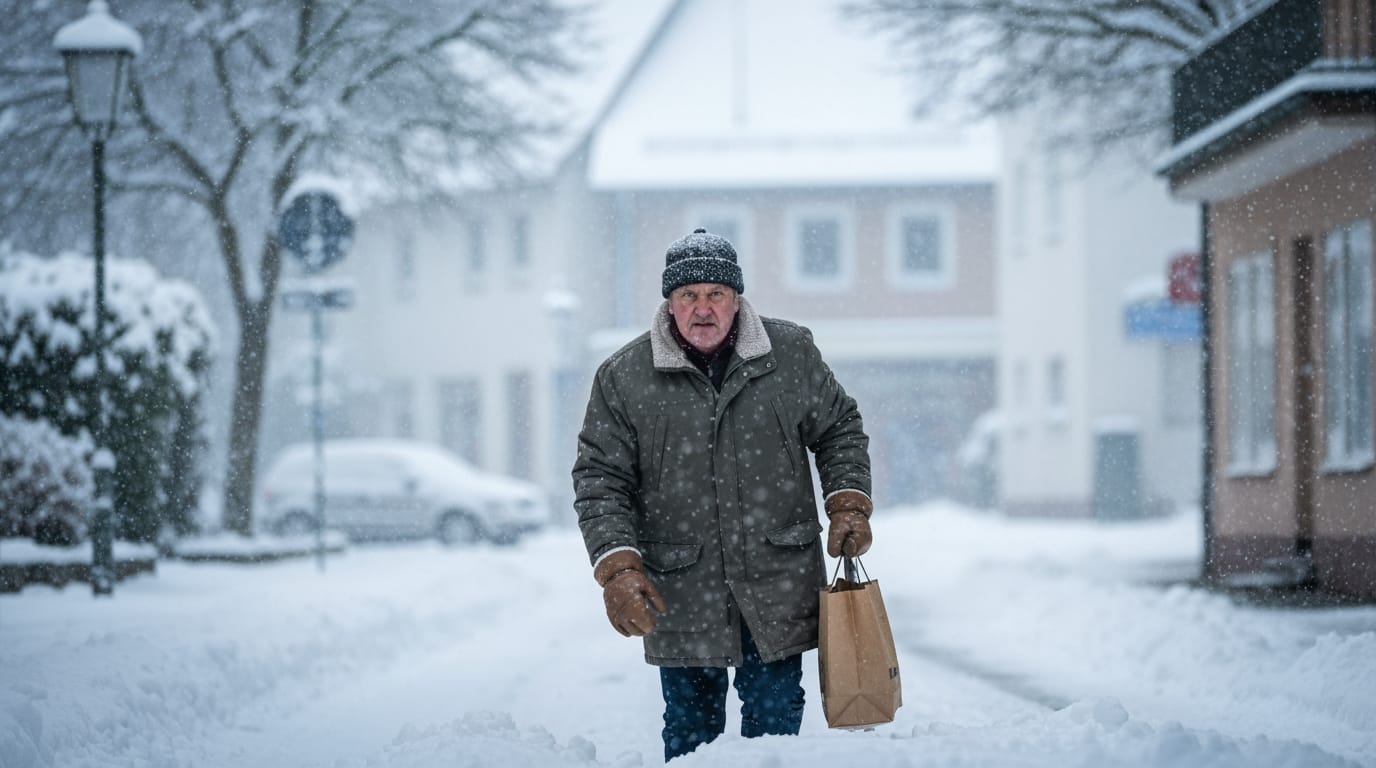
A powerful winter storm, dubbed "Elli," has unleashed a torrent of heavy snow, freezing rain, and gale-force winds across Germany, paralyzing travel and prompting urgent warnings from authorities as it progresses from the northern coast deeply into the country's southern regions. The severe weather system, which began its onslaught in the north on Thursday, January 8, 2026, has already caused widespread disruption, including school closures, flight cancellations, and significant traffic hazards, with meteorologists describing the conditions as "extreme". As the storm now shifts its focus eastward and southward, millions more are bracing for its full impact, highlighting the vulnerability of national infrastructure to such intense winter phenomena.
Northern Onslaught: A Whiteout Begins
Storm Elli initially slammed into northern Germany with ferocity, blanketing regions like Hamburg, Bremen, and Lower Saxony under up to 25 centimeters of fresh snow. The onslaught began late Thursday afternoon, bringing with it strong winds that whipped the snowfall into deep drifts, rapidly rendering smaller roads impassable and making major highways treacherous within minutes. Urban centers in the north immediately initiated extensive snow clearance operations, while also preparing for potential power disruptions as heavy, wet snow threatened to weigh down power lines and trees. The German Weather Service (DWD) issued urgent advisories, urging residents to remain indoors as conditions deteriorated. The chaos quickly manifested in travel networks; schools in Hamburg, Bremen, and parts of Lower Saxony were ordered closed on Friday, and long-distance rail services faced numerous cancellations. Hamburg Airport reported multiple flight cancellations and postponements, adding to the growing travel mayhem that gripped the region.
The Southern Shift and Intensification of Hazards
As Friday progressed, Storm Elli began its expected eastward and southward trajectory, intensifying as it moved across central Germany. While the north grappled with heavy snow, a hazardous corridor of freezing rain emerged further south, posing an equally dangerous threat of black ice. Parts of eastern and central Germany, including areas between Bremen and Hamburg, were forecast to receive up to 20 centimeters of snow by Friday. The impact of the storm’s progression was acutely felt in major transportation hubs further south. Initial weather-related delays were reported as early as Wednesday evening at Frankfurt Airport, Germany's largest aviation hub, with restrictions continuing through Thursday. Deutsche Bahn, the national railway operator, issued warnings to passengers, advising them to anticipate delays and cancellations across long-distance services. The severity of the conditions even forced the cancellation of the ruling Christian Democratic Union's (CDU) first major party meeting of the year, scheduled for Friday and Saturday in Mainz, near Frankfurt, due to the severe weather warnings and the associated travel dangers. This unprecedented cancellation underscored the widespread and significant disruption caused by the storm across various sectors.
A Nation Grapples with Human Cost and Widespread Grievances
The storm's fury was not without tragic consequences, particularly as it moved south. In Bavaria, southern Germany, a road accident directly linked to the treacherous weather conditions claimed two lives on Friday morning. This followed another fatality on Thursday in Bavaria, where a 52-year-old man died after his vehicle veered off the road and crashed into a tree. These incidents served as grim reminders of the dangers posed by the icy roads and poor visibility. Emergency services across the country have been working tirelessly, responding to a surge in accidents and stranded vehicles. Authorities have consistently advised residents to avoid non-essential travel, particularly by car, to minimize risks and allow clearance crews to operate more effectively. The economic implications of such widespread disruption are significant, affecting supply chains, daily commerce, and the winter tourism sector, which typically thrives this time of year. The cancellation of major events, including two Bundesliga football matches scheduled for Saturday, further illustrated the storm's far-reaching impact on public life and leisure activities.
Outlook: Lingering Threats and the Path to Recovery
As Storm Elli gradually loses some of its strength and continues its eastward movement towards the Czech Republic by Saturday, the immediate threat of heavy snowfall may diminish, but its aftermath presents new challenges. Temperatures are expected to remain well below freezing in many areas, raising concerns about persistent black ice and the potential for flooding as accumulated snow eventually begins to melt. The German Weather Service has also warned of "hurricane-force" winds in areas on the North Sea and the southwest, further exacerbating hazardous conditions. Recovery efforts are expected to be extensive, with transport networks requiring thorough checks and clearing operations to resume full functionality. Communities across Germany are now facing the complex task of restoring normalcy, addressing infrastructure damage, and mitigating the lingering dangers of the severe winter weather. The event serves as a stark reminder of nature's power and the critical importance of robust emergency preparedness and public adherence to safety advisories in the face of extreme weather.


