Germany Grapples With Unusually Dry Spring, Impacting Lakes and Rivers
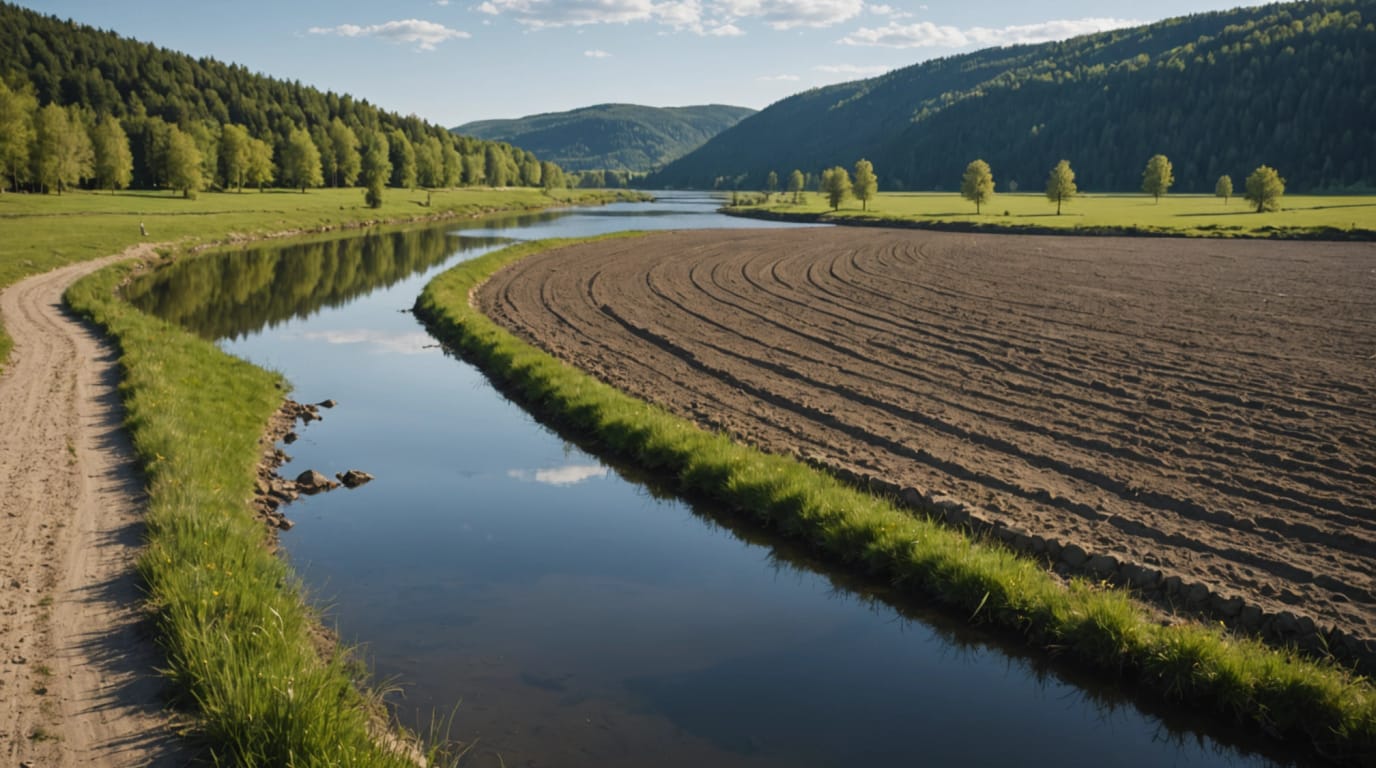
Germany is experiencing an unusually dry spring, raising concerns about the health of its lakes and rivers and the potential impact on agriculture, shipping, and ecosystems. With rainfall significantly below average in recent weeks, water levels are dropping, and the effects are beginning to be felt across the country.
Minimal Rainfall and Declining Water Levels
March was recorded as one of the driest months since records began, and the trend has continued into April with only minimal rainfall expected. Meteorologists are describing the expected rainfall as "homeopathic amounts," offering little relief to the parched landscape. This lack of precipitation, coupled with reduced snowmelt from the Alps, has led to diminished river flows and plummeting water levels in significant bodies of water, including Lake Constance.
Impact on Agriculture and Wildlife
The dry spell is already impacting Germany's agricultural sector. Wolfgang Ehrecke, spokesperson for the Agricultural Chamber in Lower Saxony, warns that the absence of significant rainfall could lead to substantial regional yield losses, particularly for shallow-rooted or newly germinated crops such as summer grains and sugar beets. The lack of rainfall is also affecting wildlife, particularly insect populations, which are crucial for various ecosystems.
Concerns for Shipping and Industry
Low water levels in major rivers, such as the Rhine, are posing challenges for shipping. Larger vessels are being forced to reduce their cargo loads to navigate the shallower waters, potentially leading to economic repercussions. The Rhine is a vital waterway for transporting goods through Germany's industrial heartland, and disruptions to shipping can have significant consequences for the country's economy.
Long-Term Implications and Climate Change
Experts are raising concerns about the long-term implications of the dry spring, particularly in relation to climate change. Reports indicate that prolonged dry spells are becoming more frequent across Germany, not just in the summer months but also as early spring droughts. Rising temperatures contribute to increased evaporation, exacerbating the dry conditions. While Helmut Dedy, CEO of the German Association of Cities, notes that there are no immediate concerns regarding drinking water supplies, he emphasizes the importance of citizens conserving water. He also reassures that the risk of food shortages due to drought is not an immediate threat because groundwater reserves are still in good condition.
Adapting to Changing Conditions
The current situation highlights the need for Germany to adapt to the changing climate and implement strategies to mitigate the impact of droughts. Some cities, like Berlin, are exploring ways to become "sponge cities" by retaining and absorbing rainwater through sustainable drainage systems. Other states are issuing limits and adapting laws on water use.
The unusually dry spring in Germany serves as a stark reminder of the increasing challenges posed by climate change. While the immediate impact is being felt by farmers, shippers, and ecosystems, the long-term consequences could be far-reaching. By taking proactive measures to conserve water and adapt to changing conditions, Germany can mitigate the impact of future droughts and ensure the sustainable management of its water resources.


