Germany Intensifies Diplomatic Push in Gulf to Avert Broader Iran Conflict
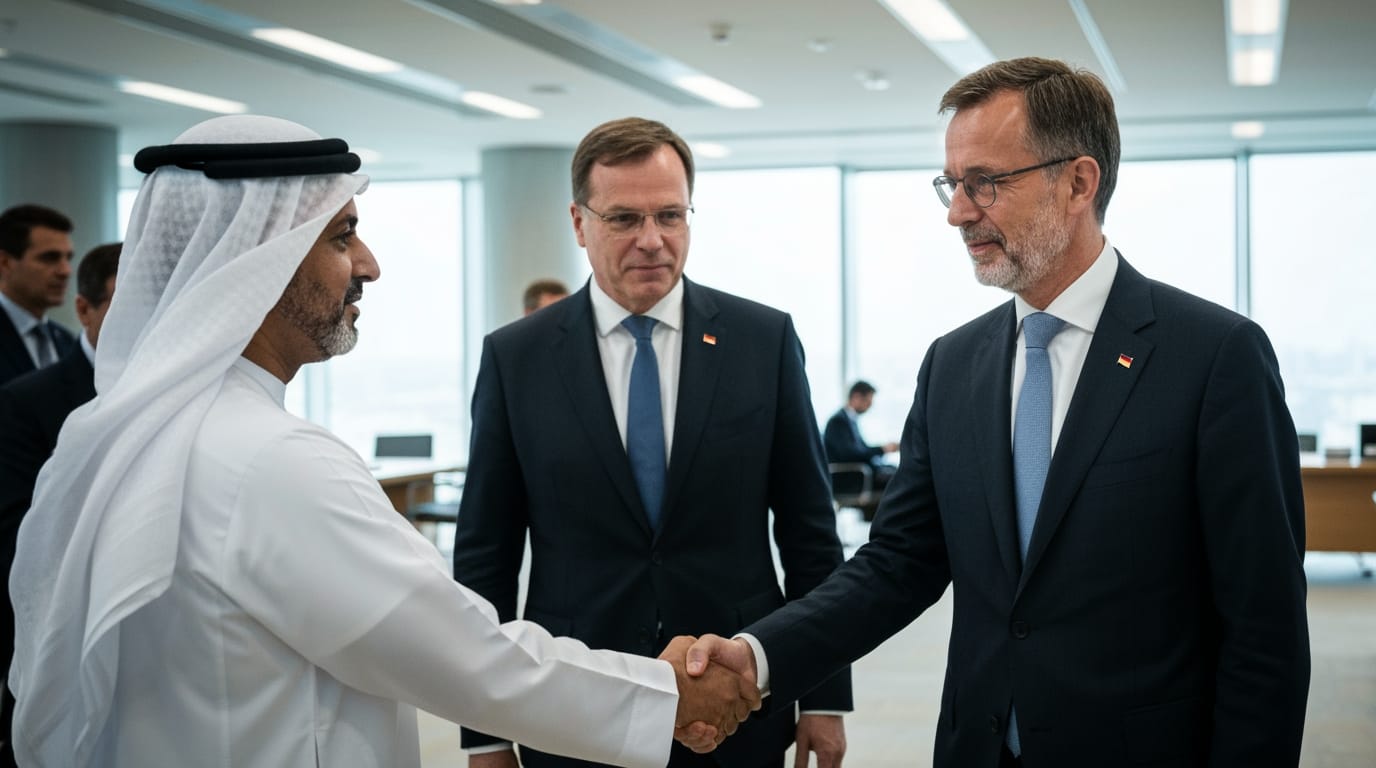
In a concerted effort to de-escalate the volatile regional conflict involving Iran, Germany has significantly ramped up its diplomatic engagement with key Gulf states. The initiative, led by Chancellor Friedrich Merz, underscores Berlin's profound concerns over the ongoing "Iran war" and its potential for severe economic and geopolitical repercussions across the Middle East and globally. Germany's outreach seeks to foster a peaceful resolution and compel Tehran to return to the negotiating table amid a backdrop of recent military hostilities and a fragile ceasefire.
Escalating Regional Tensions and Germany's Immediate Response
The Middle East has been gripped by an intensified conflict, labeled by some as the "Iran war," which escalated following joint U.S. and Israeli attacks on Iran in June 2025. This was met with retaliatory drone and missile strikes from Tehran targeting Israel and several Gulf countries, including the United Arab Emirates, Qatar, and Kuwait. Explosions were reported in major cities such as Dubai, Abu Dhabi, and Doha, and an oil refinery in Kuwait was hit by shrapnel. Iran also carried out attacks on energy infrastructure in Qatar, leading to the halting of liquefied natural gas (LNG) production and a temporary closure of the strategically vital Strait of Hormuz. A fragile ceasefire is currently in place, but tensions remain exceptionally high, with leaders pushing for its extension to facilitate negotiations.
Against this tumultuous backdrop, German Chancellor Friedrich Merz embarked on a critical diplomatic tour of Gulf states, including Saudi Arabia, Qatar, and the United Arab Emirates, in late January and early February 2026. The primary objective of these high-level meetings was to address regional issues, with the conflict involving Iran topping the agenda. Merz conveyed Germany's alarm over the escalating situation and emphasized the imperative of diplomacy to achieve regional stability.
Germany's Assertive Diplomatic Stance and European Solidarity
Germany, a staunch advocate for multilateralism, has consistently championed de-escalation, dialogue, and the preservation of international agreements as pillars of its foreign policy. The German government maintains that an imperfect nuclear deal is preferable to no deal at all, which could lead to an unconstrained Iranian nuclear program. This commitment is deeply rooted in principles aimed at preventing nuclear proliferation and safeguarding European security.
Chancellor Merz has explicitly urged Iran to engage in meaningful talks, cease its aggressive actions, and end its nuclear program as internationally agreed. He issued a three-front ultimatum to Tehran, demanding an end to attacks on the UAE, the lifting of the Strait of Hormuz blockade, and the abandonment of its nuclear ambitions. Germany's stance represents a notable shift in the European posture toward a more assertive diplomatic approach, aligning closely with efforts to ensure freedom of navigation and regional stability.
The European Union, of which Germany is a leading member, has echoed these calls, affirming its commitment to using "all diplomatic efforts" to reduce Middle East tensions. Senior European officials have engaged in extensive outreach to regional partners, condemning Iranian attacks against Gulf states and reiterating the belief that dialogue and diplomacy offer the only viable path forward. The EU has also underlined its dedication to preventing Iran from acquiring nuclear weapons and safeguarding regional security and stability.
The Economic Imperative: Safeguarding Global Trade Routes
A major concern driving Germany's and Europe's diplomatic push is the severe threat posed by the conflict to global economic stability, particularly through disruptions to the Strait of Hormuz. This vital artery for oil and gas shipments worldwide, which Iran has previously closed in retaliation for attacks, is crucial for global trade. German Vice Chancellor and Finance Minister Lars Klingbeil issued a stark warning that any blockade of the Strait would deliver a significant shock to the world economy.
For export-driven economies like Germany, the stability of global shipping routes is paramount. Merz has underscored the economic risks associated with instability in the Strait of Hormuz, stressing that disruptions in the waterway are particularly damaging for trade. Berlin is actively working with European partners to restore freedom of navigation and has indicated a willingness for Germany to contribute military support if conditions permit and allied coordination is established. Furthermore, Germany and Europe are seeking to become more independent and resilient in raw materials, energy, and supply chains, acknowledging vulnerabilities exposed by ongoing regional tensions.
Gulf States as Crucial Interlocutors
The Gulf states themselves are central to any resolution. Countries such as Qatar, Saudi Arabia, and the United Arab Emirates have expressed strong opposition to a potential U.S. military attack on Iran, fearing wider regional instability. They have actively urged the U.S. to exercise restraint and have engaged in their own diplomatic efforts to mediate and encourage a return to negotiations.
These nations, which have historically viewed Iran as a threat due to its missile program and support for non-state actors, are increasingly advocating for diplomatic solutions. Their recalibrated approach is partly driven by economic ambitions that rely on stability and predictability, which are incompatible with sustained regional tension. Gulf leaders have publicly condemned attacks and worked behind the scenes to de-escalate tensions, playing a pivotal role in bridging the communication gap between Iran and Western powers. The ongoing dialogue with Germany and other European nations reflects a mutual interest in fostering a stable and secure Middle East.
A Precarious Path Towards Resolution
Germany's intensified diplomatic efforts, alongside broader European engagement, highlight the urgency of finding a peaceful resolution to the ongoing Iran conflict. Chancellor Merz's warnings about the global economic fallout from a prolonged war, coupled with his calls for Iran to cease hostilities and return to negotiations, underscore the international community's profound concern. While Gulf and European leaders estimate a six-month timeline for a U.S.-Iran peace agreement, the path forward remains precarious.
The ongoing crisis demands a sustained commitment to dialogue and a pragmatic approach from all parties. Germany's persistent engagement with Gulf states and its assertive stance towards Iran demonstrate a clear determination to prevent further escalation and protect regional and global stability. The success of these diplomatic endeavors will ultimately hinge on Iran's willingness to engage constructively and the concerted efforts of international actors to navigate this complex geopolitical landscape towards a lasting peace.


