Germany Launches Alliance for Ethical Recruitment to Address Critical Worker Shortage
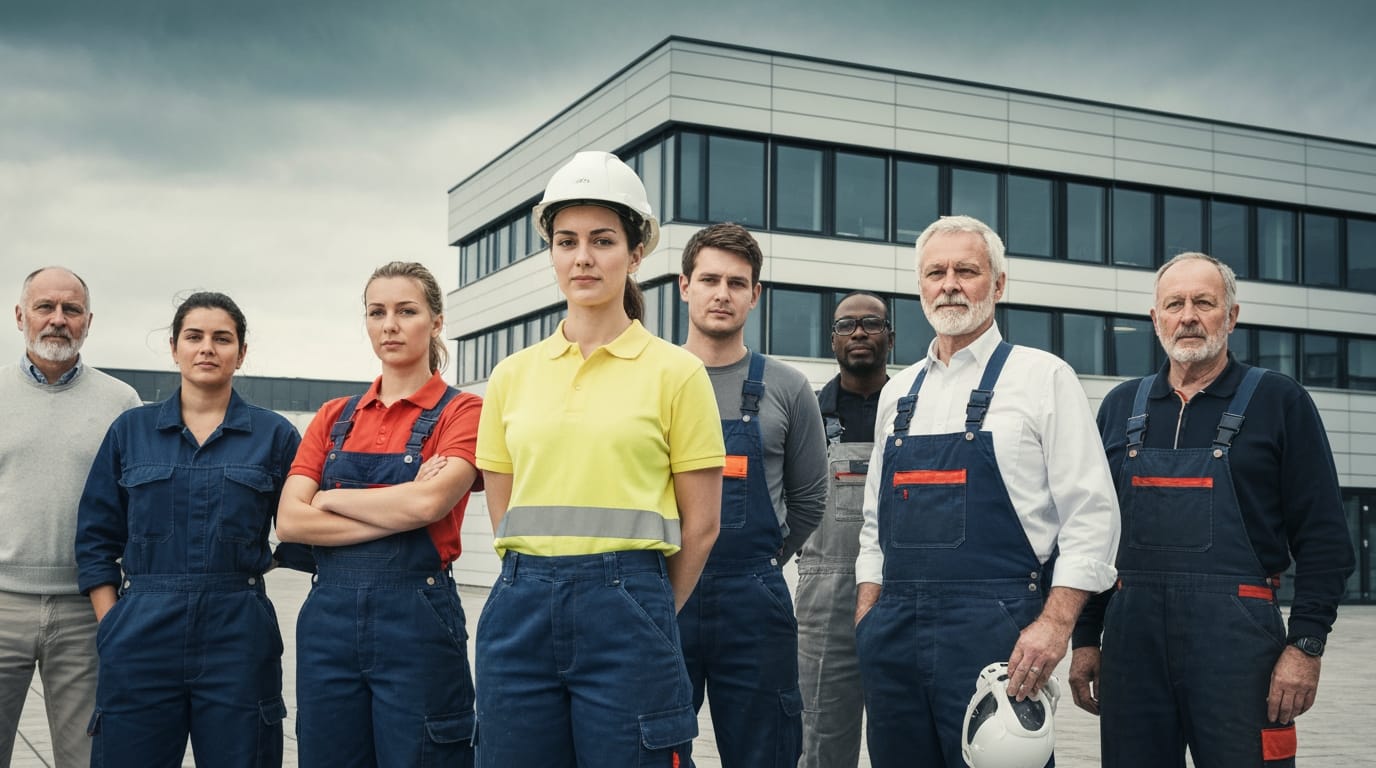
Berlin, Germany – In a pivotal move to combat its escalating skilled labor deficit, Germany has officially launched the "WE-Fair Alliance for Fair Recruitment of Skilled Workers." The initiative, spearheaded by the German Development Ministry, aims to establish transparent, ethical, and mutually beneficial pathways for international professionals to contribute to the German economy, while also fostering development in their countries of origin. The alliance, unveiled on March 20, 2026, represents a multi-stakeholder effort to address one of the most pressing economic challenges facing Europe's largest economy.
The comprehensive framework seeks to attract qualified individuals from Asia, Africa, and Latin America, focusing on sectors critically affected by shortages such as healthcare, renewable energy, construction, and information technology. German Development Minister Reem Alabali Radovan underscored the urgency of the situation, stating that Germany requires skilled professionals immediately and for the foreseeable future, emphasizing that success hinges on recruitment being fair, transparent, and beneficial for all involved.
A Nation's Economic Imperative: The Deepening Skilled Worker Gap
Germany finds itself at a demographic crossroads, with a rapidly aging population threatening to undermine its robust industrial base and social welfare systems. Projections indicate that over 20% of the current workforce, individuals aged 55 and above, are poised for retirement within the next decade. This demographic shift translates into an annual demand for approximately 400,000 additional skilled workers to sustain current economic output, with experts forecasting a cumulative shortfall of several million skilled positions by 2035 if no substantial immigration occurs.
Despite being a global economic powerhouse, German companies across various sectors, including engineering, IT, and skilled trades, are grappling to fill vacancies. In 2026, around 22.7% of German companies reported a shortage of skilled workers, with over 600,000 blue-collar vacancies and critical shortages in 163 occupations. Sectors like healthcare are particularly strained, facing over 16,000 unfilled positions, a number expected to surge due to ongoing demographic changes. This acute need for talent has prompted the German government to re-evaluate and expand its strategies for attracting international professionals.
Forging a New Path: The "WE-Fair" Model and Its Pillars
The "WE-Fair Alliance" is designed to move beyond traditional recruitment methods, which have often proven insufficient to meet the scale of Germany's labor needs. It brings together a diverse consortium of German companies, development agencies, trade unions, chambers of commerce, and governments from origin countries. Founding members include significant players like the German Trade Union Confederation, the German Chamber of Commerce and Industry, the German Confederation of Skilled Crafts, and private companies such as DHL, Randstad, and Klein. This broad coalition aims to foster structured, government-backed recruitment corridors that prioritize ethical standards.
Central to the WE-Fair model are principles of fair costs and risk-sharing. The alliance advocates for employers to bear the majority of recruitment, training, and relocation expenses, ensuring that workers are not burdened with prohibitive agency fees or debt traps. Furthermore, it emphasizes providing candidates with transparent and verified information regarding wages, working hours, social security, and housing conditions. The initiative also focuses on enhancing practical training programs in the workers' home countries and establishing clear, transparent processes throughout the recruitment journey. Examples of such partnerships include programs in Vietnam training overhead line technicians in collaboration with German companies like Omexom Hochspannung and supported by GIZ, and projects aimed at reforming vocational training in Egypt.
Addressing Past Hurdles and Ensuring Integration
Previous efforts to attract skilled workers, notably the Skilled Immigration Act (Fachkräfteeinwanderungsgesetz – FEG) which first came into force in March 2020 and was expanded in 2023 and 2024, have laid important groundwork. The FEG aimed to simplify and accelerate the process for qualified non-EU nationals, easing requirements for vocationally trained individuals and introducing measures like a Job Seeker Visa and the Chancenkarte (Opportunity Card). However, the impact of these reforms was initially dampened by the COVID-19 pandemic and persistent bureaucratic obstacles.
The WE-Fair Alliance directly confronts these long-standing challenges, which have historically deterred foreign talent. Complex administrative procedures, lengthy visa processing times, and difficulties in the recognition of foreign qualifications have been significant barriers. Language barriers and cultural adaptation also present substantial hurdles for many new arrivals. The alliance seeks to simplify hiring processes, reduce bureaucratic hurdles, and enhance support for integration to ensure that foreign professionals can effectively settle and thrive in Germany. This includes support for language acquisition, cultural orientation, and mentoring programs, exemplified by initiatives like "Ideal Job Space" for Indian professionals and "Deraja" for nurses from Kenya.
Broader Implications and Future Outlook
The launch of the WE-Fair Alliance signifies a proactive and ethically conscious strategy by Germany to secure its economic future and bolster its international standing as an attractive destination for global talent. By prioritizing ethical recruitment and comprehensive integration, Germany hopes to foster a "triple win" scenario where not only the German economy benefits, but also the skilled workers themselves through fair treatment and opportunities, and their countries of origin through enhanced training and potential for knowledge transfer.
However, the success of this ambitious alliance will depend on its ability to overcome inherent complexities. Concerns about "brain drain," particularly in vital sectors like healthcare in developing countries, remain a subject of discussion. The alliance acknowledges this by integrating development cooperation networks and focusing on strengthening training in origin countries. The effectiveness of the alliance in streamlining bureaucratic processes and ensuring consistent application of fair standards across all participating entities will be crucial. With around 120 representatives from various sectors already committed, the alliance aims to serve as a platform for sharing best practices and developing concrete solutions. Its long-term impact could redefine how nations approach global labor migration, setting a new benchmark for ethical and sustainable international recruitment practices in an increasingly interconnected world.


