Germany on High Alert: Hunt Intensifies for Perpetrators of Berlin Power Grid Arson
BERLIN – A crippling arson attack plunged tens of thousands of homes and businesses in southwest Berlin into darkness and freezing conditions in early January 2026, triggering the city's longest blackout since World War II. As German authorities declared the incident an act of terrorism, a nationwide manhunt has intensified to apprehend the culprits, suspected to be a left-wing extremist group. The incident has cast a stark light on the vulnerability of critical infrastructure and ignited a national debate on enhancing security measures against such politically motivated sabotage.
The Attack That Paralyzed a Capital
The sophisticated assault unfolded in the early hours of Saturday, January 3, 2026, when perpetrators set fire to a crucial cable bridge over the Teltow Canal, situated near the Lichterfelde heat and power station. The blaze destroyed five 110 kV high-voltage cables and ten 10 kV medium-voltage cables, effectively severing power to an estimated 45,000 to 50,000 households and over 2,000 businesses across four districts in south Berlin. Beyond the immediate loss of electricity, the outage crippled heating and hot water supplies in temperatures well below freezing, posing a severe threat to residents, particularly the elderly and vulnerable. Internet and mobile communication services were also significantly impacted. Engineers from Stromnetz Berlin, the city’s electricity network operator, worked tirelessly, but full power restoration was not achieved until January 7, making it an unprecedented five-day blackout for many and the longest since 1945. Berlin’s Senator for Economic Affairs, Franziska Giffey, described it as "a particularly severe power outage affecting tens of thousands of households and businesses, including care facilities, hospitals, numerous social institutions and companies."
The Shadow of the "Volcano Group"
Responsibility for the audacious act was claimed by a left-wing extremist organization known as the "Vulkangruppe" (Volcano Group). In a statement published online via Indymedia, the group framed the attack as an "action oriented towards the common good," explicitly citing protests against fossil fuel energy use and the burgeoning power demands of artificial intelligence data centers, which they claim accelerate climate change. German police swiftly deemed the claim credible, linking it to a history of similar attacks attributed to the collective. The Vulkangruppe has been active since at least 2011, with a track record of targeting critical infrastructure. Notable prior incidents include an arson attack in March 2024 on a high-voltage pylon supplying electricity to the Tesla Gigafactory Berlin-Brandenburg, which temporarily halted production, and another in September that caused a 60-hour blackout in southeast Berlin. These repeated acts of sabotage underscore a deliberate and escalating campaign against what the group perceives as symbols of capitalist and environmentally destructive practices.
Federal Agencies Mobilize in National Investigation
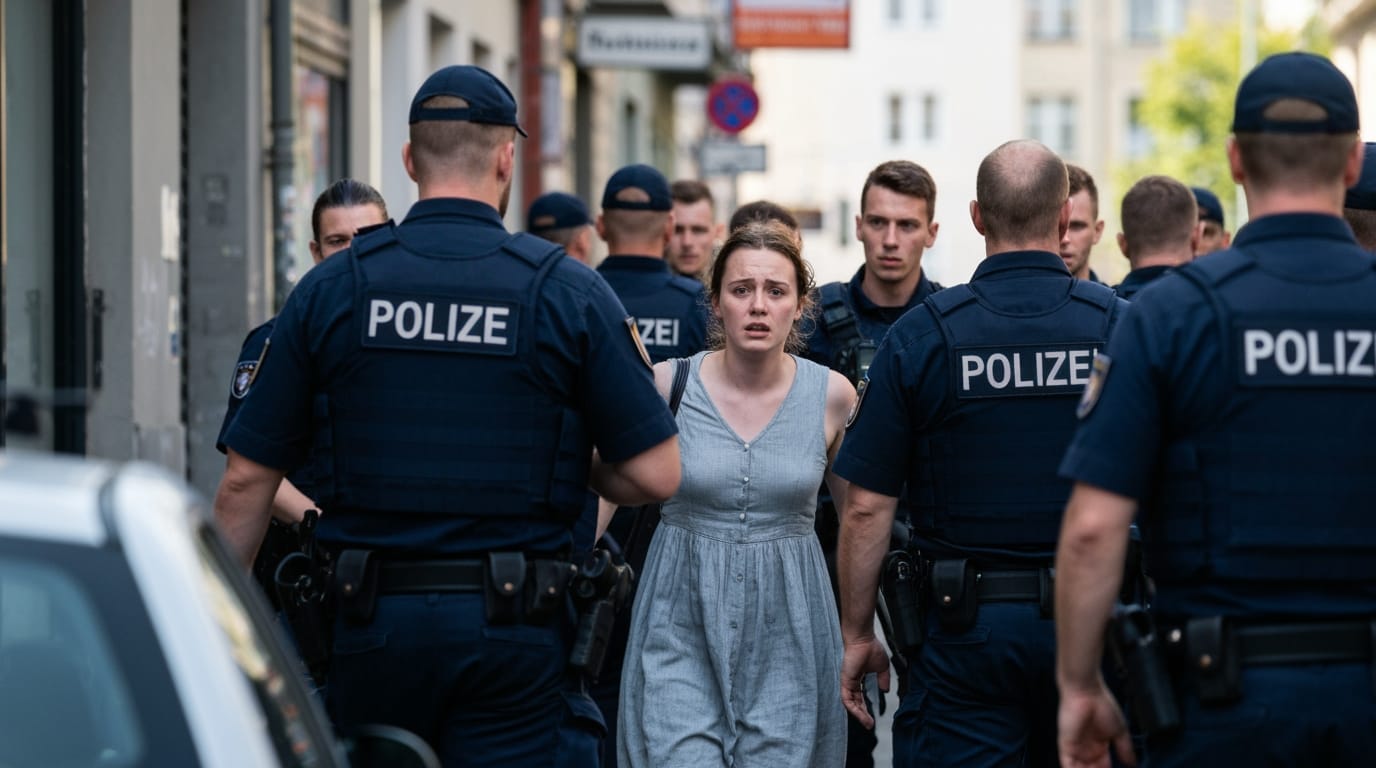
The severity and political motivation behind the Lichterfelde arson prompted an immediate and robust response from German law enforcement. The Federal Public Prosecutor's Office, the nation's top law enforcement agency, swiftly took over the investigation, signaling a suspected terrorist motive. This elevation of the case triggered an intensive, nationwide effort to identify and apprehend those responsible. The Bundeskriminalamt (Federal Police) and the Verfassungsschutz (Domestic Intelligence Agency) were heavily involved, with additional personnel allocated to intelligence gathering and operations targeting left-wing extremism. To aid in their efforts, authorities announced an unprecedented reward of €1,000,000 for information leading to the identification and capture of the perpetrators, highlighting the gravity with which the incident is being treated. The reward, prominently displayed across electronic boards in Berlin and Brandenburg, set a response deadline for late February, underscoring the urgency of the investigation. This comprehensive mobilization reflects the federal government's commitment to penetrate the often-elusive networks of extremist groups and deter future acts of sabotage.
A Call for Enhanced Security and Rethinking Transparency
The Berlin power outage ignited widespread concern among politicians and industry leaders regarding the resilience of Germany's critical infrastructure. Berlin Mayor Kai Wegner unequivocally condemned the attack as terrorism, emphasizing that such acts endangered human lives. German Interior Minister Nancy Faeser reiterated that if a left-wing extremist motive was confirmed, it would provide further evidence that such groups do not hesitate to carry out serious attacks on the nation's energy infrastructure. The incident also spurred calls for a critical reassessment of security protocols. The energy industry association BDEW advocated for changes to legal provisions that mandate the publication of sensitive information on critical infrastructure, arguing that such transparency inadvertently provides blueprints for potential saboteurs. They suggested that freedom of information and open data regulations should be restricted where they could jeopardize the physical or IT security of essential services. This debate highlights the complex balance between public transparency and national security in an increasingly volatile landscape, where infrastructure remains a tempting target for extremist groups.
Conclusion: An Ongoing Hunt and Enduring Questions
As the investigation continues, the hunt for the perpetrators of the Berlin arson attack remains a top priority for German federal authorities. The incident has not only disrupted daily life for thousands but also exposed profound vulnerabilities within the nation's critical infrastructure. The coordinated response from federal agencies and the significant reward offered underscore the determination to bring those responsible to justice. Beyond the immediate search, the attack has ignited crucial conversations about how Germany can better protect its essential services against evolving threats, ensuring both the security and resilience of its urban centers. The long-term implications of this act of sabotage continue to unfold, prompting a re-evaluation of national security strategies in the face of increasingly emboldened extremist movements.


