Germany Plans to Double Data Center Capacity for AI, Stoking Energy and Grid Concerns
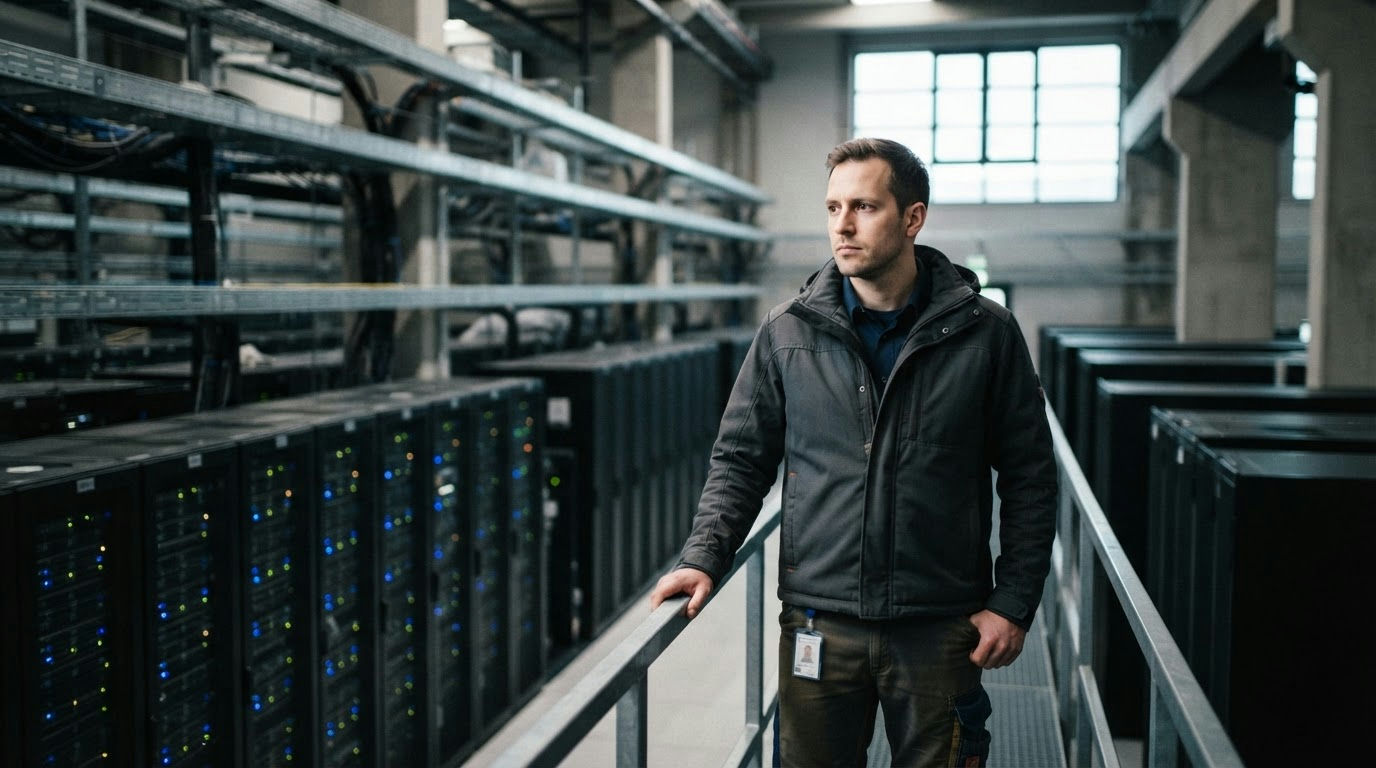
BERLIN — Germany has set in motion an ambitious blueprint to at least double its national data center capacity and quadruple its computing power for artificial intelligence by 2030, a high-stakes strategy aimed at securing digital sovereignty that is stoking mounting concerns over electrical grid stability, skyrocketing power consumption, and municipal pushback.
Under the national framework, federal policymakers are treating advanced computing facilities as critical physical infrastructure on par with transport networks and utility lines. As artificial intelligence workloads demand unprecedented processing volume, the German federal government seeks to elevate total connected capacity from approximately 2,980 megawatts to more than 5,000 megawatts over the next several years. Yet the planned expansion directly collides with national climate mandates, an already overburdened power transmission system, and growing resistance from local communities facing the physical impacts of hyperscale facilities.
A Bold Blueprint for Digital Independence
The policy drive reflects deep European anxiety over heavy reliance on American and Asian cloud hyperscalers. With major global tech corporations controlling vast swaths of enterprise compute and data storage, German authorities have positioned domestic expansion as an imperative for economic competitiveness and industrial autonomy.
Central to the initiative is a target to raise specialized AI capacity from roughly 530 megawatts to more than 2,000 megawatts by 2030. Under this growth path, machine-learning applications and high-performance computing clusters would jump from representing 15 percent of total national capacity to roughly 40 percent.
To entice developers, the government has designed measures that streamline bureaucratic reviews, fast-track environmental permitting, and unlock federal and state land for new development. A notable fiscal mechanism redirects municipal business taxes so that revenue flows directly to host towns rather than corporate headquarters, an effort to persuade reluctant local governments to approve multi-million-euro data campuses within their municipal borders.
Rising Power Loads and an Overstretched Grid
The speed of the proposed rollout has ignited severe apprehension among energy planners, utility operators, and environmental analysts. German data centers consumed roughly 21 billion kilowatt-hours of electricity in 2025, accounting for approximately four percent of total national power consumption. Industry analysts forecast that by 2030, electricity consumption solely dedicated to AI computing will soar from 3 terawatt-hours to as much as 14 terawatt-hours annually.
This surging thirst for electricity arrives as Germany navigates its broader energy transition, known as the Energiewende, which phases out conventional fossil fuels and nuclear plants in favor of renewable generation. The country's Energy Efficiency Act already mandates that new data facilities source 100 percent of their electricity from green energy on a balance-sheet basis beginning in 2027.
However, transmission bottlenecks present an immediate barrier. Heavy renewable generation in northern Germany, derived predominantly from coastal wind farms, must travel southward to industrial centers through an overburdened high-voltage network. In regional clustering hubs such as Frankfurt am Main, the site of Europe’s busiest internet exchange, data centers already consume up to 40 percent of municipal electricity. Local grid operators in these clusters have warned that new heavy-duty connections could face severe constraints lasting well into the next decade.
Municipal Backlash and the Human Cost of Compute
The physical realities of data center construction are creating friction in everyday communities. Hyperscale facilities often occupy dozens of hectares of agricultural or industrial land while delivering relatively few long-term jobs once construction crews depart.
In several suburban districts bordering established digital hubs, residents and town councils have begun pushing back against proposed projects. Local officials point to microclimate disruptions caused by server heat emissions, visual blight, round-the-clock noise pollution from cooling installations, and excessive water extraction for server refrigeration.
A major city council just south of Frankfurt recently made international headlines by rejecting a 2.5-billion-euro hyperscale development, pointing specifically to unmanageable thermal output, air circulation risks, and negligible employment benefits. Even with proposed legal mandates requiring new data complexes to capture waste heat and feed it into municipal district heating networks, implementation remains technically complicated. Many existing towns lack the specialized pipeline infrastructure required to receive lower-temperature exhaust heat from computer halls, leaving the promise of circular energy largely unfulfilled in practical settings.
Weighing Industrial Modernization Against Ecological Strain
The divide over data infrastructure underscores a fundamental tension facing contemporary European industrial policy: how to lead in cutting-edge computing without sacrificing aggressive climate commitments.
Technology advocates and business associations emphasize that advanced algorithms are necessary tools for managing modern renewable energy systems, improving manufacturing precision, and driving medical research. In this view, failing to expand domestic computing capacity would merely displace operations to foreign soil with weaker environmental oversight, while denying German enterprises sovereign control over sensitive corporate and citizen data.
Conversely, conservation organizations and municipal utility managers insist that federal policy must not outpace physical infrastructure reality. They caution that adding hundreds of megawatts of continuous baseload demand without a simultaneous acceleration in domestic grid reinforcement risks destabilizing the network and driving up retail energy prices for households and small businesses.
Balancing Sovereignty and Sustainability
As the federal government moves from policy formulation to execution, the journey toward doubling domestic computing capacity faces extensive structural hurdles. Speeding up administrative approval processes will do little if regional substations cannot deliver the required power loads or if surrounding populations view server halls as destructive to community well-being.
The coming years will test whether Germany can synchronize its digital transformation with its environmental mandates. For the national strategy to succeed, policymakers will need to ensure that the rapid ascent of artificial intelligence builds resilience into the country's economic future without breaking the electrical backbone that keeps it running.