Germany Seizes Tanker Suspected of Aiding Russia in Sanctions Evasion
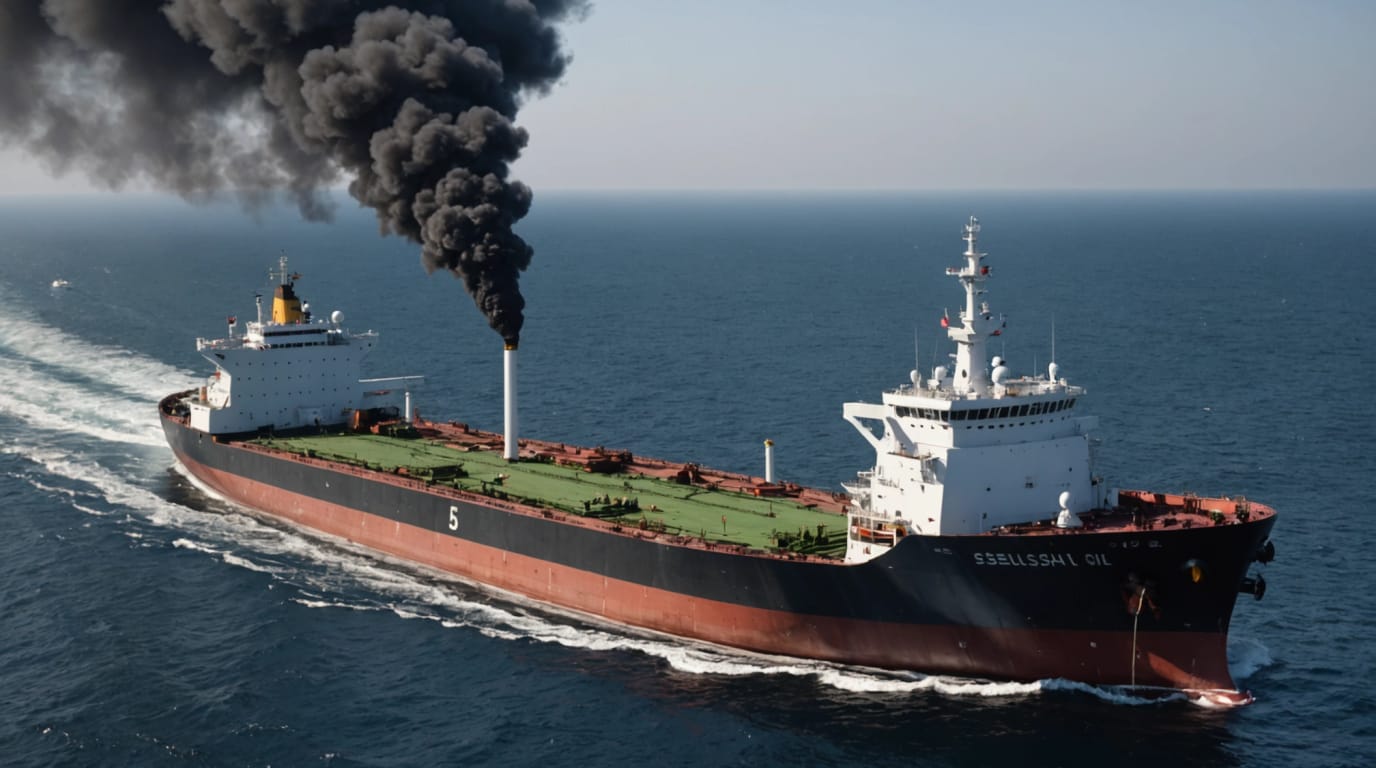
German authorities have seized the oil tanker "Eventin," suspected of being part of a Russian "shadow fleet" designed to circumvent sanctions imposed in response to the invasion of Ukraine. The Panama-flagged vessel, laden with approximately 100,000 metric tons of crude oil, was seized off the coast of Rügen Island in the Baltic Sea. The move marks a significant escalation in the enforcement of EU sanctions against Russia and highlights growing concerns about Moscow's efforts to bypass restrictions on its oil exports.
The seizure, executed by German customs officials, follows an incident in January when the "Eventin" experienced engine failure and drifted in the Baltic Sea, requiring intervention by German maritime authorities. At the time, German Foreign Minister Annalena Baerbock identified the tanker as belonging to the "shadow fleet" and criticized Russia's use of such vessels, describing them as "dilapidated" and a threat to European security and the environment.
Part of Broader Sanctions Enforcement
The "Eventin" was included in the European Union's 16th sanctions package against Russia, which targets unregulated and uninsured Russian vessels suspected of violating international sanctions. The EU has been working to close loopholes that allow Russia to continue profiting from oil sales, which are a key source of revenue for its military operations in Ukraine.
The German government has been guarded in its public statements regarding the seizure, reflecting the tense geopolitical climate and ongoing tensions between Russia and the West. However, the confiscation order issued by the General Customs Directorate makes both the tanker and its cargo, valued at over 40 million euros, German property.
Concerns About "Shadow Fleet"
The "Eventin" is allegedly part of a "shadow fleet" of aging tankers that Russia has been using to transport oil while evading sanctions. These vessels often operate with obscured ownership, flags of convenience, and inadequate insurance, raising concerns about safety and environmental risks. Environmental groups, including Greenpeace, have warned about the dangers posed by these ships, citing their poor condition and the potential for oil spills. Greenpeace has previously identified the "Eventin" as being among the most dangerous oil tankers due to its "particularly hazardous" oil transportation and "technical deficiencies".
The "shadow fleet" has allowed Russia to maintain its oil exports despite Western sanctions, providing crucial financial support for its war effort. By targeting these vessels, Germany and other EU member states aim to tighten the screws on Russia's economy and limit its ability to fund the conflict in Ukraine.
Environmental and Safety Risks
The incident involving the "Eventin" has also raised concerns about the environmental risks associated with the "shadow fleet." The aging tankers are often poorly maintained and prone to accidents, increasing the risk of oil spills in sensitive marine environments. The Baltic Sea, a relatively shallow and enclosed body of water, is particularly vulnerable to the impacts of oil pollution.
In January, when the "Eventin" was adrift, German authorities took steps to prevent any oil leaks and secured the vessel to minimize the risk of environmental damage. However, the incident highlighted the potential for a major environmental disaster if one of these tankers were to suffer a serious accident.
Implications and Future Actions
The seizure of the "Eventin" sends a strong message that Germany and the EU are committed to enforcing sanctions against Russia and cracking down on those who seek to evade them. It also underscores the growing concerns about the "shadow fleet" and the risks it poses to maritime safety and the environment.
It is expected that Germany will continue to work with its international partners to identify and target other vessels involved in sanctions evasion. The EU is also likely to consider further measures to tighten its sanctions regime and close loopholes that allow Russia to continue exporting oil through clandestine channels. The incident may also spur increased scrutiny of ship management companies based in countries like the United Arab Emirates, which have been linked to the operation of "shadow fleet" vessels.
The fate of the "Eventin" and its cargo remains uncertain. The German government will likely conduct a thorough investigation to determine the full extent of the vessel's involvement in sanctions evasion. The oil could be sold, with the proceeds going to the German government, or it could be used to offset the costs of the seizure and investigation. The tanker itself could be scrapped or repurposed, depending on its condition and the findings of the investigation.
The seizure of the "Eventin" represents a significant step in the effort to enforce sanctions against Russia and combat the "shadow fleet." It also serves as a reminder of the complex challenges involved in enforcing international sanctions and the need for continued vigilance to prevent evasion. The incident is likely to have far-reaching implications for the global oil market and the ongoing conflict in Ukraine.


