Germany Shifts Wolf Policy, Reintroduces Hunting Amid Rising Tensions
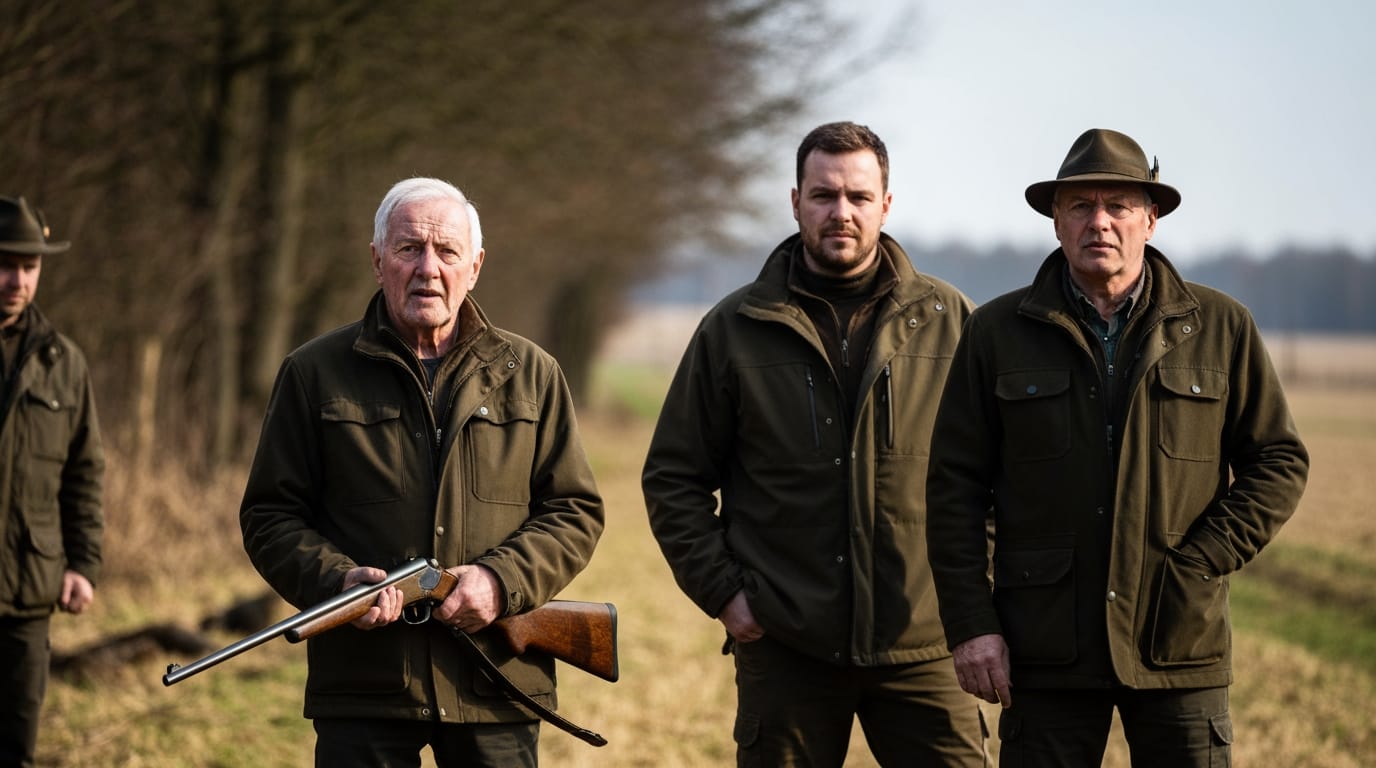
Berlin, Germany – After decades of concerted conservation efforts that heralded the triumphant return of wolves to its landscapes, Germany is now poised to reintroduce wolf hunting, marking a significant policy reversal driven by escalating conflicts between a burgeoning wolf population and the nation's agricultural sector. This shift, culminating in legislative backing in late 2025, reflects a challenging compromise between ecological success and the economic realities faced by farmers, particularly in regions experiencing high wolf densities.
The gray wolf, once eradicated from German territories by the late 19th century, began its natural re-establishment around the turn of the millennium. Its comeback was largely celebrated as a conservation triumph, a testament to the effectiveness of strict protection laws at both national and European Union levels. However, as wolf numbers steadily climbed, so too did instances of livestock predation, particularly impacting sheep and goat farmers. This growing tension has fueled a contentious debate, pitting environmental advocates against rural communities and agricultural lobbies, ultimately leading to a re-evaluation of wolf management strategies.
A Growing Population and Mounting Pressure
Official figures from the 2023/2024 monitoring year reveal a robust and expanding wolf population across Germany. During this period, 209 confirmed wolf packs, alongside 46 wolf pairs and 19 individual resident wolves, were recorded, bringing the total estimated individual wolf count to over 1,600. This represents a notable increase from the 185 packs documented in the preceding year. The states of Brandenburg, Lower Saxony, and Saxony have emerged as particular hotspots, hosting the highest concentrations of these apex predators. While the return of the wolf is seen as a success story for biodiversity, its increasing presence has generated considerable concern, especially within the farming community.
The economic and emotional toll on farmers has become a central argument for policy change. Reports indicate a significant rise in livestock fatalities attributed to wolves. In 2023, approximately 5,000 farm animals, predominantly sheep and goats, were killed. This figure remained high in 2024, with around 4,300 animals lost, often despite farmers implementing protective measures such as specialized fencing and guardian dogs. Farmers describe not only substantial financial burdens from these losses but also profound emotional distress and a feeling of desperation as their livelihoods are threatened. They argue that existing preventative measures are proving insufficient against an increasingly adaptable predator and have been vocal in their demands for more direct intervention.
Policy Evolution: From Strict Protection to Controlled Management
The path to reintroducing wolf hunting has been paved by a series of critical decisions at both the European Union and German national levels. A pivotal moment occurred when the EU itself acknowledged the changing dynamics of wolf populations across the continent. Influenced in part by high-profile incidents, including the loss of European Commission President Ursula von der Leyen's pony to a wolf, the EU downgraded the wolf's protected status. This adjustment provided member states with greater flexibility to implement their own management strategies.
Following the EU's lead, Germany officially reported to the European Commission in October 2025 that the wolf had achieved a "favorable conservation status" across large areas of its territory. This declaration, supported by both federal and state governments, signifies that the wolf population is considered stable and its long-term survival assured. Critically, this official status determination effectively opened the door for more proactive population management, including culling. Building on this, the German government, with significant impetus from the Ministry of Agriculture, backed legislation in December 2025. This new legal framework allows for the regular hunting of wolves in designated areas with high population densities. The legislation aims to simplify the process for authorizing wolf removals, potentially allowing farmers to act more swiftly against "problem" wolves without extensive bureaucratic hurdles, such as requiring DNA testing for every incident. Some German states, like Lower Saxony, had already implemented "rapid culling procedures" in 2024, permitting the shooting of wolves after multiple livestock attacks without lengthy individual case reviews.
Divided Opinions and Future Implications
The decision to permit wolf hunting has not been met with universal approval, highlighting a deep ideological divide within German society. Agricultural associations and many rural inhabitants have welcomed the move, seeing it as a necessary step to protect livestock and restore a sense of security to farming communities. They contend that the wolf population has reached a point where active management is essential to prevent further economic hardship and emotional strain.
Conversely, numerous conservation organizations and environmental groups have expressed strong opposition and concern. They argue that the policy shift is not sufficiently rooted in scientific evidence and could jeopardize the long-term recovery of the species. Conservationists advocate for the continued prioritization and enhanced implementation of non-lethal protective measures, such as predator-proof fencing and livestock guardian dogs, emphasizing that these methods have proven effective when properly utilized. Some also raise concerns that culling could destabilize wolf pack structures, potentially leading to increased, rather than decreased, attacks on livestock as younger, less experienced wolves resort to easier prey. The Environment Minister, Carsten Schneider, has publicly framed the new regulations as a necessary compromise, designed to allow for the removal of "particularly problematic animals" while still upholding the overall conservation status of wolves in Germany.
The reintroduction of wolf hunting in Germany marks a pivotal moment in the ongoing discourse surrounding wildlife management in densely populated European countries. It reflects a difficult societal negotiation between the ecological goal of restoring native species and the socio-economic demands of human coexistence. As the new regulations take effect, their practical impact on wolf populations, livestock protection, and the delicate balance between nature and agriculture will be closely monitored. The outcome of Germany's updated wolf policy will undoubtedly shape future conservation and management strategies across Europe, as other nations grapple with similar challenges posed by the successful return of once-absent predators.