Germany Stunned by Diplomatic Setback After Losing UN Security Council Bid
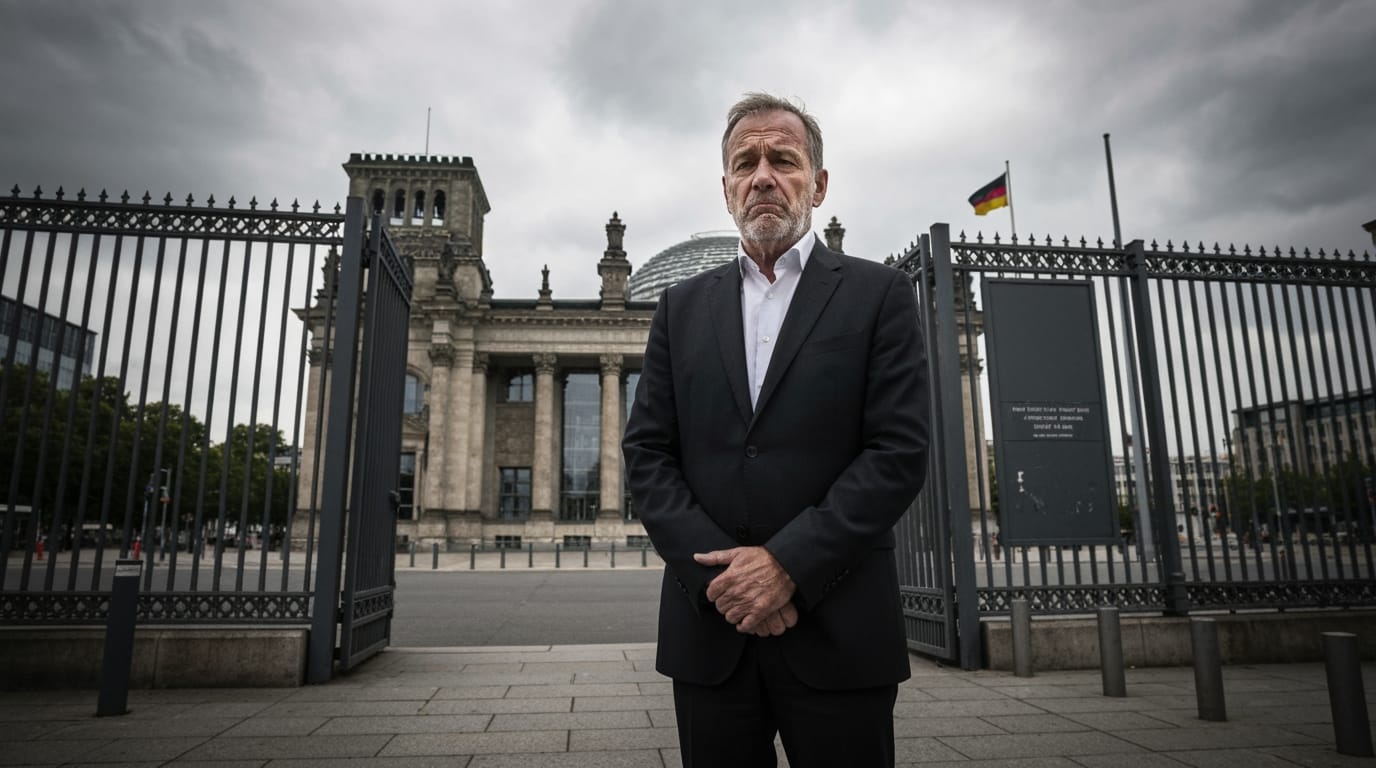
Berlin is grappling with a profound sense of disappointment and political introspection following Germany's unprecedented failure to secure a non-permanent seat on the United Nations Security Council for the 2027-2028 term. The diplomatic setback, described by Foreign Minister Johann Wadephul as a "bitter defeat," marks the first time in the nation's history that it has been unsuccessful in its bid for a position on the UN's most powerful body, sending ripples through the government and prompting a critical examination of its foreign policy approach.
An Unforeseen Rejection in New York
The vote, held on June 3, 2026, at the UN General Assembly in New York, saw Germany compete against European partners Austria and Portugal for two coveted spots allocated to the Western European and Others Group (WEOG). In the balloting, Portugal secured 134 votes and Austria garnered 131, both comfortably surpassing the required two-thirds majority of 127 votes. Germany, a traditionally strong contender for such positions, received only 104 votes, a result that stunned Berlin and its diplomatic corps. The defeat is particularly striking given Germany's established track record, having previously served six terms as a non-permanent member, most recently during the 2019-2020 period.
The immediate reaction from the German government underscored the gravity of the situation. Foreign Minister Wadephul, who had personally traveled to New York to lobby for the bid, acknowledged the outcome as a "real disappointment" and "bitter defeat." Chancellor Friedrich Merz, while congratulating the winning nations, stated that "we applied with conviction. We did not achieve our goal." Despite the official statements aiming to project resilience, the mood in Berlin is widely perceived as grim, with some opposition voices labeling the outcome an "embarrassing defeat" for the government.
Probing the Causes: Policy Stances and Geopolitical Currents
An immediate post-mortem has begun within German diplomatic circles to understand the reasons behind this unprecedented loss. Several factors are being cited as potential contributors to Germany's electoral shortfall. A significant point of discussion revolves around Germany's strong and unwavering foreign policy stances on critical global issues, particularly its support for Ukraine and its historical commitment to Israel in the Middle East conflict. Foreign Minister Wadephul himself suggested that these positions might have alienated a number of countries, especially those in the Global South.
Germany's firm backing of Ukraine in its ongoing conflict has positioned it as a leading voice in condemning Russian aggression. While commendable in many Western capitals, this stance may have been viewed unfavorably by nations seeking a more neutral or less confrontational approach in international forums. Reports also indicate alleged intensive lobbying efforts by Russia against Germany's candidacy, directly linking these actions to Berlin's support for Ukraine. Simultaneously, Germany's long-standing and often unqualified support for Israel, rooted in its historical responsibility, has drawn criticism from various member states, particularly amidst ongoing tensions in the Middle East. Analysts suggest that this stance may have cost Germany crucial votes, especially from countries in Africa, Asia, and Latin America.
Beyond geopolitical alignments, the timing and execution of Germany's campaign have also come under scrutiny. Critics, including some within the opposition, have pointed out that Germany's entry into the race was relatively late compared to Austria and Portugal, potentially leaving insufficient time to build the necessary diplomatic bridges and secure commitments. Some have also argued that the campaign lacked "fresh ideas," suggesting a need for a more dynamic and inclusive approach to multilateral engagement.
Diplomatic Fallout and Future Aspirations
The failed bid represents a notable blow to Chancellor Friedrich Merz's government, which had aimed to utilize a Security Council seat to enhance Germany's international credibility and influence. This setback comes at a time when Germany, as the European Union's largest economy and a significant financial contributor to the United Nations, seeks to play a more assertive role on the global stage. Despite its substantial contributions to the UN budget, its failure to secure this non-permanent seat highlights the limits of its diplomatic leverage. The outcome might intensify existing criticisms that Germany, despite its financial input, does not always receive commensurate consideration in the allocation of important international roles.
Furthermore, the loss raises questions about Germany's long-term ambition for a permanent seat on a reformed UN Security Council. While Germany, alongside the G4 nations (Brazil, India, and Japan), has consistently advocated for an expansion of the permanent membership to better reflect current global power structures, this recent electoral defeat could complicate its efforts to garner the necessary international consensus for such a significant reform.
Navigating Forward: Reaffirming Multilateral Commitment
Despite the considerable disappointment, German officials have been quick to reaffirm their nation's commitment to multilateralism and its active role within the United Nations. Chancellor Merz emphasized that the result "does not alter the tasks we face at the United Nations. Germany remains a reliable pillar of the multilateral system." Foreign Minister Wadephul reiterated that Germany would continue its dedication to global peace and security, adhering to its principles of peace, human rights, and development, even without a direct seat on the Security Council.
This diplomatic setback will likely trigger a period of strategic recalibration for Germany. It may necessitate a deeper engagement with countries in the Global South, re-evaluating how its firm stances on certain issues are perceived and whether they inadvertently undermine broader diplomatic objectives. Berlin will need to demonstrate that its commitment to international cooperation remains steadfast, finding alternative avenues to contribute to global peace and security and to advocate for its values within the complex landscape of international relations. The path forward will involve a nuanced approach, balancing its principled foreign policy with the pragmatic realities of global diplomacy to regain momentum and solidify its standing as a responsible global actor.


