Gulf States Face Deep Scars After 100 Days of Iran War
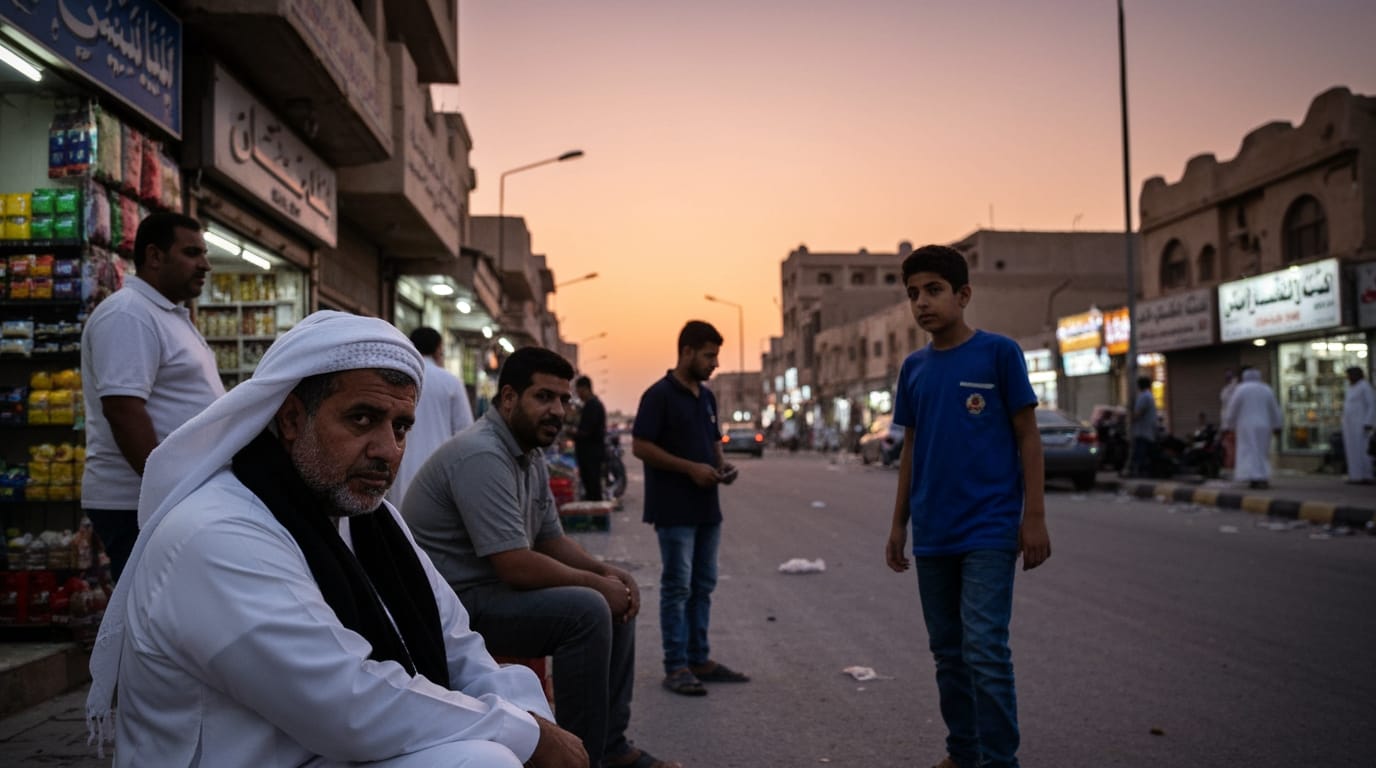
The 100-day mark of the conflict with Iran has left an indelible imprint across the Arabian Gulf, forcing its nations to confront unprecedented security threats and severe economic disruptions. What began as a "US-Israel operation against Iran" escalated rapidly, drawing Gulf states into a vortex of missile and drone attacks from Tehran, disrupting vital trade routes, decimating tourism, and compelling a profound re-evaluation of regional security and economic strategies. The sustained period of hostilities has underscored the inherent vulnerabilities of the oil-rich monarchies, prompting urgent calls for enhanced intra-Gulf cooperation and a strategic recalibration of their international alliances.
A Region Under Siege: Escalation and Immediate Response
The conflict, described as a "US-Israel operation against Iran," quickly broadened its scope, engulfing the Gulf states in an alarming wave of direct attacks from Iran. These assaults, primarily involving missiles and drones, targeted not only critical energy infrastructure but also civilian sites, major airports, and key financial and tourist hubs, transforming historically secure neighbors into active war zones. The United Arab Emirates, for instance, experienced repeated strikes against Dubai's busy airport, while all six members of the Gulf Cooperation Council (GCC)—Bahrain, Kuwait, Oman, Qatar, Saudi Arabia, and the United Arab Emirates—faced Iranian fire, compelling them to activate national air defense systems with crucial support from the United States and other allies.
In the initial days, Gulf states implemented emergency security protocols and heightened their air defense readiness. The UAE responded by closing its embassy in Tehran and withdrawing its diplomatic personnel, signaling the severity of the crisis. The international community also reacted, with the United Nations Security Council adopting Resolution 2817 by a 13-0 vote, demanding an immediate cessation of Iranian aggression. Bahrain, on behalf of the GCC, submitted this resolution, showcasing a united regional front against the attacks and a commitment to diplomatic resolution. Despite the immediate defensive measures, the war highlighted that Gulf nations bore the brunt of a conflict they did not initiate, compelling them to prioritize the protection of their citizens and residents from the ongoing threats.
Economic Fallout: Supply Chains Strained and Industries Crippled
The economic consequences of the 100-day conflict have been far-reaching and devastating for the Gulf states, whose economies are heavily reliant on energy exports. One of the most significant impacts was the disruption to shipping through the Strait of Hormuz, a critical maritime choke point through which approximately 33 percent of global oil exports flowed in 2024. Iran's closure of the strait led to a massive buildup of oil and gas in local storage facilities, forcing some states, including Saudi Arabia, to reduce oil production by an estimated two million barrels per day due to insufficient capacity.
Beyond the energy sector, the war decimated the Gulf's burgeoning tourism industry, a key component of diversification efforts, and caused what the International Energy Agency (IEA) termed "the biggest oil supply disruption in history". Airspace closures, implemented repeatedly for safety, disrupted flights and left tens of thousands of international travelers, including Americans, stranded in the early days of the conflict. While oil prices initially surged by 17 percent to $80 per barrel during the hostilities, they returned to pre-war levels following the ceasefire, indicating a volatile market susceptible to geopolitical events. The economic instability further challenged the Gulf states' ability to pursue long-term policy priorities, including much-needed social and economic reforms, as resources were diverted to immediate crisis management and defense.
Shifting Security Paradigms and the Quest for Resilience
The intense pressure of the 100-day conflict has spurred a fundamental re-evaluation of security paradigms across the Gulf. The shared experience of missile and drone attacks has amplified calls for greater security and economic cooperation within the GCC. There is now a strong impetus for an integrated air defense system and coordinated defense acquisitions among member states, aimed at strengthening collective security. The conflict also exposed vulnerabilities in the supply chain for crucial defense weapons, which were in short supply from the early days due to production challenges in major exporting nations like the United States. This shortfall has prompted Gulf states to explore homegrown manufacturing capabilities to reduce dependence on external suppliers, boost local industrial capacity, and create self-reinforcing incentives for regional security coordination.
Despite facing aggression, Gulf states have largely avoided joining offensive operations against Iran, adhering to a long-standing policy of sidestepping direct military confrontation. This stance reflects a cautious approach to prevent further destabilization and avoid becoming primary targets for Iranian retaliation. However, the war has also led to questions regarding the reliability of the United States as a primary security guarantor, particularly as Iran demonstrated its capacity to pierce even highly protected airspaces. This has opened discussions on diversifying regional and international partnerships and reassessing their heavy reliance on the U.S. for stability.
Charting a Course Forward: Diplomacy, Diversification, and Unity
In the aftermath of the intense 100-day period, Gulf states are focusing on a multi-pronged approach to secure their future. Economically, the validation of investments in pipeline projects designed to bypass the Strait of Hormuz offers a partial solution to maritime transit risks. Further integration of GCC trade corridors, including the advancement of the long-stalled GCC Rail project, is being prioritized to enhance regional connectivity and resilience against supply disruptions for both oil and non-oil goods. Building national stockpiles and diversifying supply networks for essential materials are also critical steps being considered to insulate the region from future crises.
Diplomatically, the path forward remains complex. Rebuilding trust with Iran after such a period of hostilities presents a significant challenge. The Gulf states recognize the need for a concerted "peace offensive," harnessing their entire global diplomatic network to achieve lasting resolution. This effort would likely involve not only the U.S. and its Western allies but potentially other global powers, such as the BRICS bloc. However, achieving credible assurances from Iran that Gulf states will be off-limits in any future conflicts remains a doubtful prospect in the short term, especially given the perceived inability of previous normalization efforts and U.S. engagement to yield desired security dividends. The necessity of presenting a united diplomatic front is paramount for the GCC to reclaim some control over its destiny and ensure its voice is heard by all regional and international actors.
The 100 days of conflict with Iran have fundamentally altered the landscape of the Gulf, revealing deep vulnerabilities while simultaneously fostering a renewed sense of urgency for collective action and self-reliance. As these nations navigate the aftermath, the imperative to bolster security cooperation, diversify economies, and pursue robust diplomatic engagements will define their efforts to build a more resilient and stable future in an increasingly volatile region.


