Germany Shuts Down South Sudan Embassy as Civil War Fears Escalate
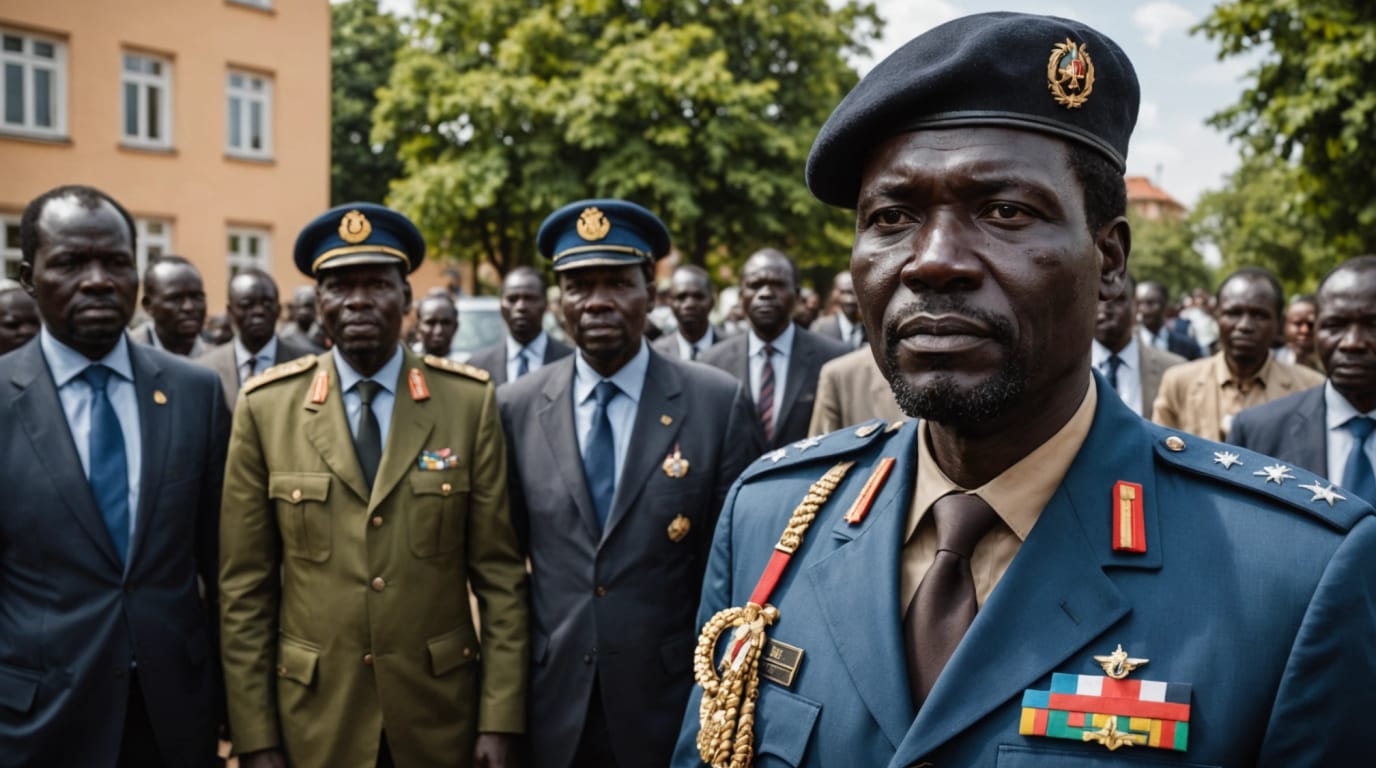
Germany has announced the temporary closure of its embassy in Juba, the capital of South Sudan, amid escalating fears of a renewed civil war. The decision, confirmed Saturday by German Foreign Minister Annalena Baerbock, underscores the international community's growing apprehension over the fragile peace process in the East African nation, which has struggled with political instability since gaining independence in 2011.
The closure comes as tensions rise between rival factions in South Sudan, threatening to plunge the country back into a large-scale conflict. Despite previous peace agreements, ongoing clashes have persisted, raising concerns about the stability of the region and the safety of diplomatic personnel.
Deteriorating Security Situation
Foreign Minister Baerbock cited the deteriorating security situation as the primary reason for the embassy closure. "After years of fragile peace, South Sudan is once again on the brink of civil war," Baerbock stated in a post on social media platform X. "We decided this week to temporarily close our embassy in Juba due to the current situation. The safety of our colleagues is the top priority."
The German government has also urged its citizens in South Sudan to exercise extreme caution and consider leaving the country if necessary. This advisory reflects the increasing instability and the potential for violence to escalate rapidly.
International Mediation Efforts
In an effort to prevent further conflict, several international bodies and nations have offered mediation to the South Sudanese government. On Tuesday, the embassies of Canada, Germany, the Netherlands, Norway, the United Kingdom, the United States, and the European Union delegation jointly offered their services to help "maintain peace" in South Sudan.
These efforts highlight the international community's commitment to supporting a peaceful resolution to the ongoing tensions and preventing a return to civil war. However, the effectiveness of these mediation attempts remains uncertain amid the rising tensions.
A History of Instability
South Sudan's history has been marred by conflict and instability. The nation gained independence from Sudan in 2011, but it quickly descended into a brutal civil war that lasted for several years. While peace agreements have been signed, the underlying issues that fueled the conflict have not been fully resolved, leading to recurring outbreaks of violence.
The ongoing tensions are rooted in a complex web of political rivalries, ethnic divisions, and competition for resources. These factors have made it difficult to establish a stable and inclusive government, and they continue to pose a significant threat to the country's future.
Blame and Responsibility
Foreign Minister Baerbock has directly accused South Sudan President Salva Kiir and Vice-President Riek Machar "of plunging the country into a spiral of violence." She added, "It is their responsibility to put an end to the senseless violence and finally implement the peace agreement."
This strong statement underscores the frustration within the international community regarding the lack of progress in implementing the peace agreement and the continued violence in the country. The future of South Sudan hinges on the ability of its leaders to prioritize peace and stability over personal and political gain.
Implications of the Closure
The temporary closure of the German embassy is a significant blow to South Sudan, as it signals a loss of confidence in the country's ability to maintain peace and stability. It also raises questions about the future of international engagement in the region.
Germany's decision aligns with precautionary measures taken by other international diplomatic missions concerned about the worsening situation in South Sudan. The closure could prompt other nations to reassess their diplomatic presence in the country, potentially leading to further isolation and reduced international support.
Looking Ahead
The situation in South Sudan remains precarious. The threat of renewed civil war is real, and the consequences for the country and its people could be devastating. The international community must continue to engage with South Sudan and work to support a peaceful resolution to the ongoing tensions.
The responsibility for preventing a return to civil war ultimately lies with the leaders of South Sudan. They must demonstrate a genuine commitment to peace, reconciliation, and inclusive governance. Only then can South Sudan hope to achieve lasting stability and prosperity.


