Germany Steadfast in Commemorating Resistance to Nazi Terror, Urging Vigilance Against Extremism
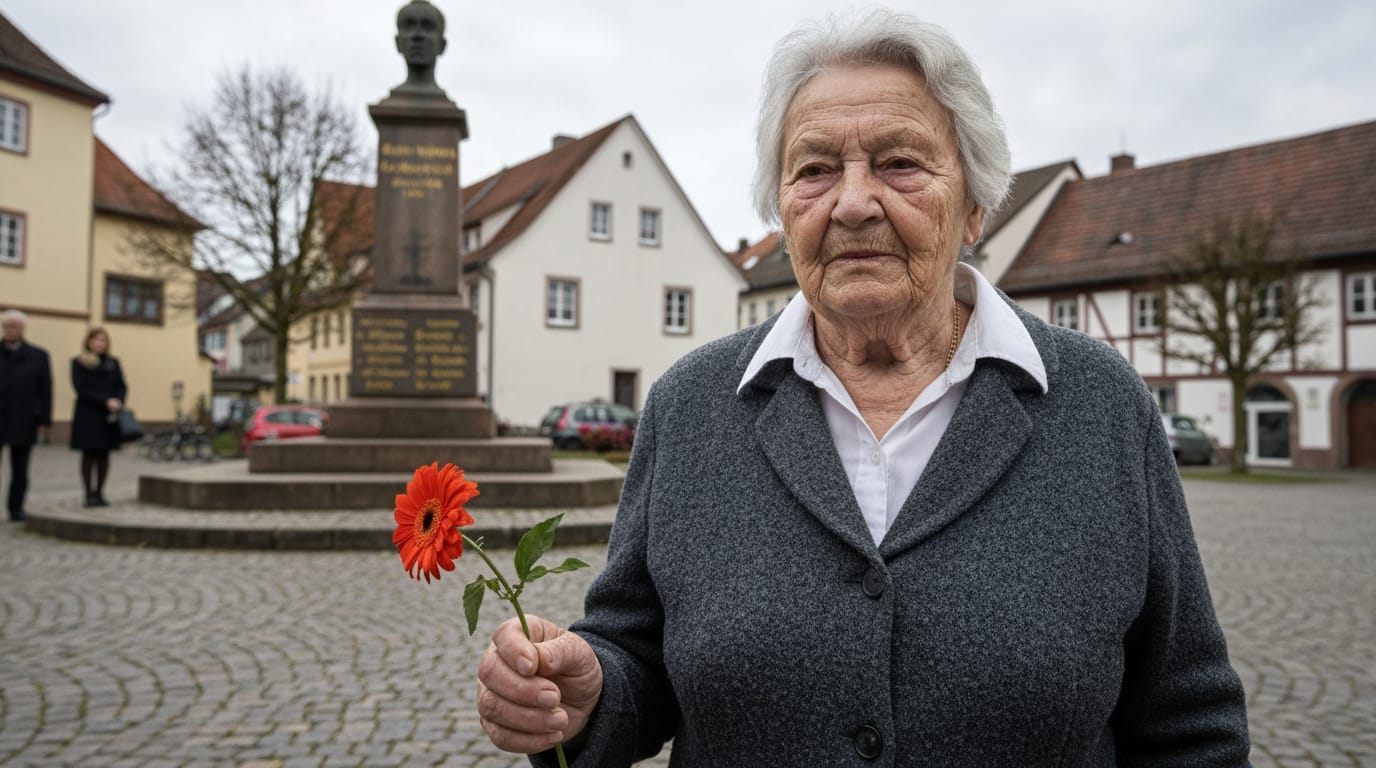
Germany remains deeply committed to commemorating the courageous individuals and groups who resisted Nazi terror, frequently using these solemn occasions to underscore the enduring importance of democratic values and to warn against the resurgence of extremism. These acts of remembrance, observed across the nation, serve not only as tributes to those who defied tyranny but also as potent reminders of the fragility of freedom and the constant need for civic courage in contemporary society. Amid rising concerns over anti-Semitism and far-right movements, the lessons gleaned from this dark chapter of history are being invoked with renewed urgency, emphasizing the responsibility of each generation to safeguard democracy.
Echoes of Courage: The Diverse Faces of Resistance
The resistance against Adolf Hitler's regime was multifaceted, encompassing a wide array of individuals and groups from various social strata who, despite overwhelming odds and brutal repression, chose to act against the National Socialists. Among the most widely recognized are the student-led White Rose movement and the conspirators behind the July 20, 1944, plot. The White Rose, formed by students like Hans and Sophie Scholl and their professor Kurt Huber, engaged in non-violent resistance, distributing leaflets across Munich and other cities that condemned Nazi atrocities and called for passive resistance from the German populace. Their courageous acts, which included painting anti-Hitler slogans on city walls, ultimately led to their arrest and execution in 1943, yet their legacy endures as a powerful symbol of moral integrity.
Beyond the White Rose, other forms of resistance were equally significant. The "Red Orchestra" (Rote Kapelle), a network of academics, theater professionals, and factory workers in Berlin, actively opposed Hitler from the outset, gathering intelligence and aiding victims of Nazism. Early and consistent opposition also emerged from groups initially targeted by the Nazis, such as communists, social democrats, and trade unionists. Religious figures, disillusioned officers within the Wehrmacht, and even ordinary civilians engaged in acts of defiance ranging from non-compliance to attempts on Hitler's life. These disparate efforts, though often isolated and lacking a unified leadership, collectively symbolized a refusal to surrender to totalitarian rule and a desperate attempt to preserve humanity amidst barbarity.
Rituals of Remembrance: Annual Commemorations and Dedicated Sites
Germany annually observes several key dates to honor the victims of National Socialism and those who resisted it. January 27 marks Holocaust Remembrance Day, commemorating the liberation of the Auschwitz concentration camp in 1945. Ceremonies held in the German Bundestag feature speeches from high-ranking officials, including the German President and Chancellor, along with Holocaust survivors, who share their harrowing experiences and deliver poignant warnings against indifference. These events often emphasize the fates of the six million murdered Jews of Europe, along with other victims of Nazi extermination policies, including Sinti and Roma people, political prisoners, and those targeted for their sexual orientation or disability.
Another critical date is November 9, which commemorates the 1938 anti-Jewish pogroms, known as Kristallnacht, where synagogues were destroyed and Jewish homes and businesses ransacked. These commemorations often highlight the devastating consequences of unchecked hatred and state-sponsored violence. Memorials are also held for the July 20th plot, remembering the military officers who attempted to assassinate Hitler and overthrow his regime, further reinforcing the commitment to recognizing all forms of resistance. Dedicated sites across Germany, such as the DenkStätte Weiße Rose at Ludwig-Maximilians-University in Munich, provide permanent spaces for education and remembrance, showcasing the history of the student resistance movement through exhibitions and plaques. Streets, squares, and buildings bearing the names of figures like Hans and Sophie Scholl ensure their sacrifices are etched into the public consciousness.
An Evolving Narrative: From Silence to Public Conscience
Germany's approach to commemorating resistance against Nazism has undergone a significant transformation since the end of World War II. In the immediate post-war decades, the focus was often on national rebuilding and coming to terms with the broader implications of the war. However, over time, a more nuanced and comprehensive narrative has emerged, recognizing the profound moral courage of those who actively opposed the regime. This evolution is evident in how different parts of Germany remembered figures like the White Rose. In former East Germany, Sophie Scholl, for example, was often highlighted as a symbol of anti-fascist struggle, with sewing brigades even bearing her name. In the West, and later across reunited Germany, the White Rose, along with other resistance movements, gained widespread recognition as integral to the nation's democratic identity. The historical significance of the resistance movement, despite its ultimate failure to prevent the regime's atrocities, now symbolizes the enduring human capacity for empathy, courage, and rejection of totalitarianism, forming a crucial part of Germany's political traditions.
This shift reflects a deepening societal introspection and a commitment to confronting the darkest chapters of German history directly. The stories of resistance fighters are now central to educational curricula and public discourse, serving as powerful examples of individual responsibility and the imperative to stand up against injustice.
The Enduring Message: Safeguarding Democracy in Challenging Times
The commemoration of resistance to Nazi terror holds particular relevance in contemporary Germany, as the nation grapples with various threats to its democratic foundations. Leaders frequently draw parallels between the historical struggle against Nazism and current challenges posed by rising anti-Semitism and far-right extremism. German President Frank-Walter Steinmeier, for instance, has used these occasions to emphasize the dangers of marginalization and persecution, linking historical atrocities to present-day threats to democracy.
Discussions surrounding Holocaust Remembrance Day often include strong condemnations of those who trivialize Nazi terror, particularly in the context of recent conspiracy theories or comparisons of public health measures to historical persecution. Such statements underscore a national resolve to prevent any distortion of history and to maintain a clear understanding of the unique horrors of the Holocaust and the Nazi regime. The stories of resistance fighters, therefore, serve not merely as historical anecdotes but as active appeals for civic engagement. They highlight the importance of individual agency in upholding democratic institutions and actively combating ideologies that seek to undermine them. The collective memory of those who resisted Nazi terror acts as a moral compass, guiding Germany's ongoing commitment to fostering an open, tolerant, and democratic society, where vigilance remains paramount.
The enduring commemorations of resistance against Nazi terror in Germany are more than mere historical reflections; they are vibrant calls to action for the present and future. By continuously remembering the courage of those who dared to defy, Germany reinforces its commitment to democratic principles and mobilizes its citizens to remain vigilant against any forces that threaten freedom and human dignity. These acts of remembrance provide an essential framework for understanding the past, engaging with the present, and building a resilient democratic future.


