Germany to Implement Fuel Tax Cut Amid Surging Prices and Middle East Tensions
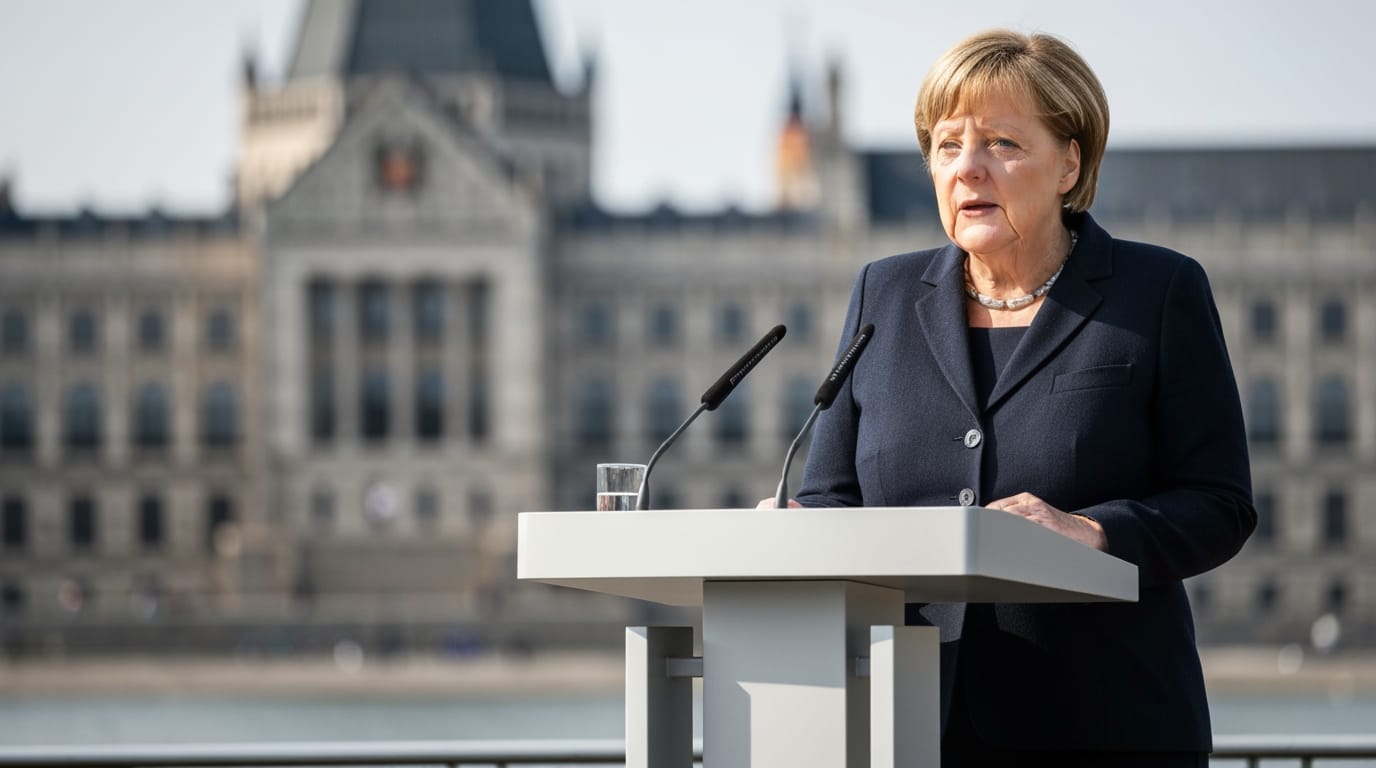
Berlin, Germany – In a swift response to escalating fuel costs exacerbated by recent global events, Chancellor Friedrich Merz announced Monday that Germany would temporarily reduce taxes on petrol and diesel. The measure, aimed at providing immediate relief to households and businesses, comes as the nation grapples with record-high energy prices and the economic fallout from an ongoing conflict in the Middle East.
The proposed tax cut, slated to trim approximately 17 cents per liter from both petrol and diesel prices for a two-month period, marks a significant intervention in Germany's energy market. This decision reflects growing pressure on the government to alleviate the financial burden on citizens, who have seen fuel prices climb to unprecedented levels, with diesel reaching new record highs and gasoline nearing its 2022 peak. The "Iran war" is explicitly cited as a driving factor behind the current energy shock.
Responding to Unprecedented Price Hikes
The announcement by Chancellor Merz addresses a critical concern for millions of German commuters and businesses. In the days leading up to this decision, fuel prices had continued their sharp ascent. Super E10 gasoline, the most widely used and cheapest variant, averaged around 2.192 euros per liter, just shy of its all-time high recorded in March 2022. Diesel prices, however, surpassed previous records, reaching approximately 2.443 euros per liter. These figures represent substantial increases, with E10 up by 8.5 cents and diesel by 12.7 cents per liter since the beginning of April alone. Compared to prices before the Middle East conflict, the surge is even more dramatic, with E10 gasoline jumping over 41 cents and diesel by roughly 70 cents.
The rapid escalation has ignited widespread calls for governmental action, with economists and consumer advocates highlighting the disproportionate impact on lower-income households and the potential for broader inflationary pressures. Germany's existing tax structure, which includes a 19 percent VAT, fixed energy taxes (0.65 euro/liter for petrol, 0.47 euro/liter for diesel), and a recently increased carbon dioxide fee (around 0.17 euro/liter), means that a significant portion of the pump price constitutes taxes. This framework has resulted in Germans paying some of the highest fuel prices in Europe, placing the country third in the EU for petrol costs as of early April.
Lessons from the Past: The 2022 Fuel Rebate
This is not Germany's first foray into temporary fuel tax reductions. In 2022, facing a similar energy crisis triggered by the conflict in Ukraine, the German government implemented a "fuel rebate" from June to August. That measure reduced the energy tax on gasoline by 29.5 cents per liter and on diesel by about 14 cents per liter. Analyses of the 2022 rebate showed a significant, though not always complete, pass-through of the tax cut to consumers. Research indicated that 97-99 percent of the reduction for gasoline and 75-86 percent for diesel was reflected in lower pump prices.
However, the 2022 initiative was not without its controversies. Critics argued that a substantial portion of the benefit was absorbed by oil companies in the form of increased profits, rather than fully reaching consumers. Concerns were also raised about the environmental implications, as lower prices could disincentivize fuel-efficient travel and hinder climate protection goals. Furthermore, the rebate was criticized for disproportionately benefiting higher-income individuals who typically drive more and for creating regional disparities, with less competitive gas stations passing on smaller portions of the reduction. These historical insights will undoubtedly inform the public and political debate surrounding the new proposed tax cut.
Political Discourse and Economic Trade-offs
Chancellor Merz's latest announcement comes amidst an active debate within the German government regarding the most effective strategies to combat high energy costs. While the tax cut aims for immediate impact, other proposals, such as an increase in the commuter allowance and a reduction in electricity tax, have also been on the table. The Social Democratic Party (SPD), a key coalition partner, has expressed reservations about some of these measures, particularly the commuter allowance, arguing its benefits would be delayed and favor higher earners. The SPD has instead advocated for more direct interventions, including a fuel price cap and a windfall profits tax on energy companies, to ensure prompt and equitable relief for citizens.
Merz himself has acknowledged the complexities, initially urging caution against immediate, broad market interventions that could distort supply or prove ineffective. He previously tasked his Finance and Economic Affairs ministers with exploring various response options. The decision to opt for a direct fuel tax cut, despite prior reservations, underscores the severity of the current price surge and the political imperative to act decisively. Economists, including those from the RWI institute, have highlighted that the German state has been a significant beneficiary of rising fuel prices, collecting hundreds of millions in additional tax revenue as prices climbed. This increased revenue provides a fiscal buffer for implementing such relief measures, though it also fuels arguments for more comprehensive tax adjustments.
Looking Ahead: Consumer Relief and Future Challenges
The temporary fuel tax reduction is anticipated to offer tangible financial relief to millions of Germans in the coming months. For a typical driver, the 17-cent per liter reduction could translate into noticeable savings at the pump, particularly given the already high price levels. However, the effectiveness of the measure will largely depend on how thoroughly the tax reduction is passed on by fuel station operators to consumers. Lessons from 2022 suggest that while the pass-through can be high, it may not be uniform across all regions or providers.
Beyond the immediate relief, the long-term trajectory of energy prices in Germany remains subject to global geopolitical dynamics and market forces. The current "Iran war" is a significant external factor contributing to instability. Moreover, Germany's ongoing commitment to climate protection, which includes measures like the carbon dioxide fee, presents a delicate balancing act with the need for affordable energy. The government's decision to implement a temporary fuel tax cut signals an immediate prioritization of consumer relief in the face of an acute energy crisis, but the broader challenges of energy security, affordability, and climate goals will continue to shape policy debates in the months and years to come.


