Germany, UK Urge Israel to Restore Gaza Electricity Amid Rising Tensions
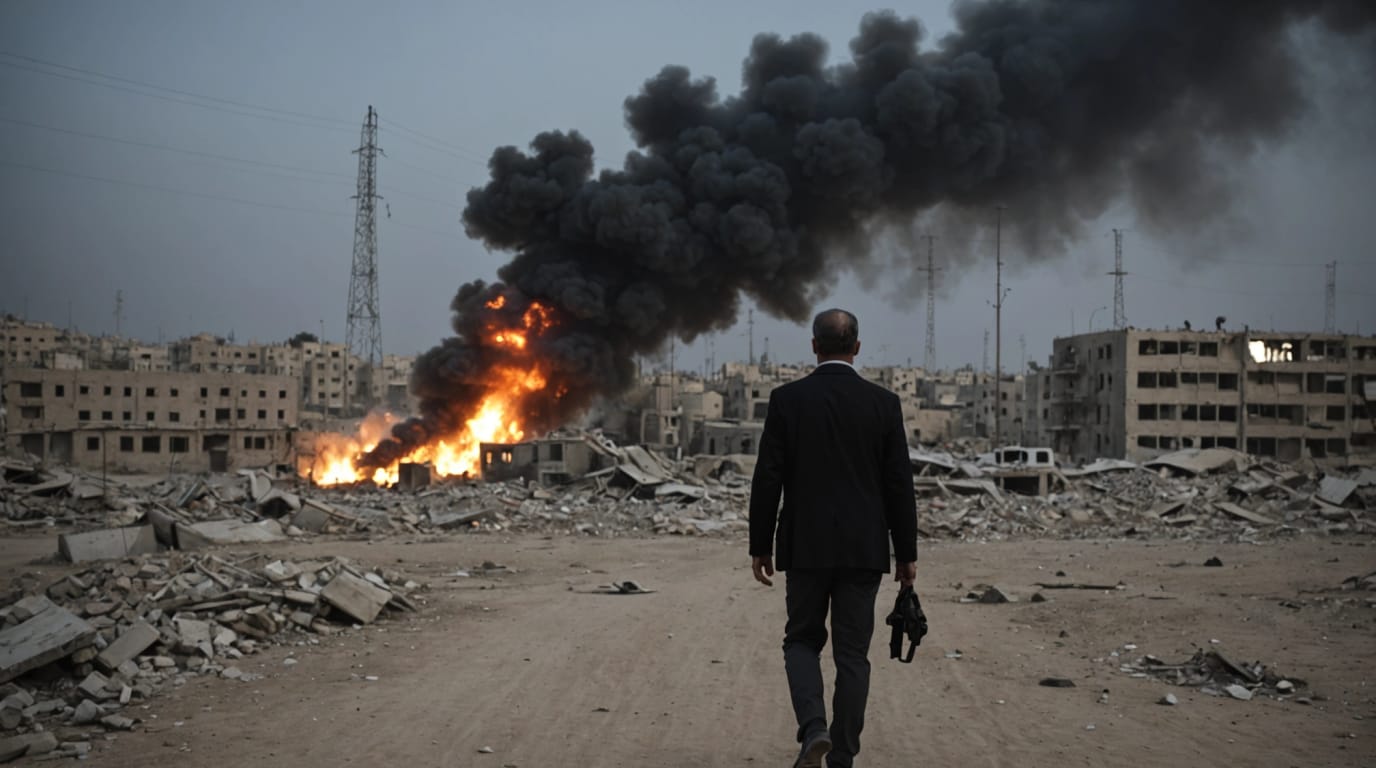
International pressure is mounting on Israel to restore the electricity supply to Gaza, following a decision that has sparked condemnation and warnings of a potential humanitarian crisis. Germany and the United Kingdom have joined the Palestinian Authority and various humanitarian organizations in urging Israel to reverse its decision, citing concerns about international law and the well-being of the more than two million residents of the Gaza Strip.
The move by Israel to cut off electricity to Gaza comes amid stalled ceasefire negotiations with Hamas and a week after Israel halted aid deliveries to the enclave. Israeli Energy Minister Eli Cohen stated the decision was made to pressure Hamas to release captives, declaring that Israel would use all available tools to ensure the return of hostages and dismantle Hamas's control in Gaza.
International Condemnation
Germany's Foreign Ministry spokeswoman Kathrin Deschauer expressed grave concern over the situation, stating that cutting off electricity and potentially halting water supplies is "unacceptable and incompatible with Israel's obligations under international law." She emphasized that Gaza was "again threatened with a food shortage" and urged Israel to immediately lift restrictions on all forms of humanitarian aid. Deschauer stressed that humanitarian aid should not be used as a tool for exerting pressure in negotiations.
Echoing Germany's concerns, the British government called on Israel to restore the electricity supply, warning that the country could be in violation of international law. Prime Minister Keir Starmer's spokesman told reporters, "We're deeply concerned by these reports and urge Israel to lift these restrictions." The spokesman added that halting essential supplies like electricity risks breaching Israel's obligations under international humanitarian law.
Palestinian Authority Denounces Action
The Ramallah-based Palestinian Authority has strongly condemned Israel's decision, labeling it "an escalation in the genocide" in Gaza. The Palestinian foreign ministry issued a statement asserting that the electricity cut-off exacerbates the humanitarian disaster and displacement crisis already gripping the territory.
Hamas has also responded, accusing Israel of "cheap and unacceptable blackmail" and a "desperate attempt to pressure our people and their resistance."
Impact on Gaza's Infrastructure
The electricity shutoff has already had a significant impact on Gaza's infrastructure, including the shutdown of the main water desalination plant. This plant is crucial for providing clean drinking water to the population, and its closure raises concerns about the spread of disease and further deterioration of living conditions.
Gazans are now relying primarily on solar panels and fuel-powered generators for electricity. However, these sources are insufficient to meet the needs of the entire population, particularly with hundreds of thousands living in tents after being displaced by the ongoing conflict.
Stalled Ceasefire Negotiations
Israel's decision to cut off electricity comes as negotiations aimed at extending a fragile ceasefire have stalled. The initial phase of the truce, which included a prisoner swap agreement, expired on March 1, with no agreement reached on subsequent stages.
Hamas has accused Israel of refusing to commence the second phase of the agreement, while Israel has expressed a preference for extending the initial phase. An Israeli negotiating team has traveled to Qatar to continue talks, but the recent escalation raises doubts about the prospects for a breakthrough.
Implications and Future Outlook
The electricity cut-off and the halt of aid deliveries have raised serious concerns about a looming humanitarian crisis in Gaza. With limited access to clean water, food, and electricity, the already vulnerable population faces further hardship, especially during the fasting month of Ramadan.
The international community is closely watching the situation, with Germany and the UK leading calls for Israel to reverse its decision and uphold its obligations under international law. The coming days will be critical in determining whether a resolution can be reached to alleviate the suffering of the people of Gaza and revive the stalled ceasefire negotiations.


