Germany Unveils Ambitious Civil Defense Overhaul Amid Evolving Security Landscape
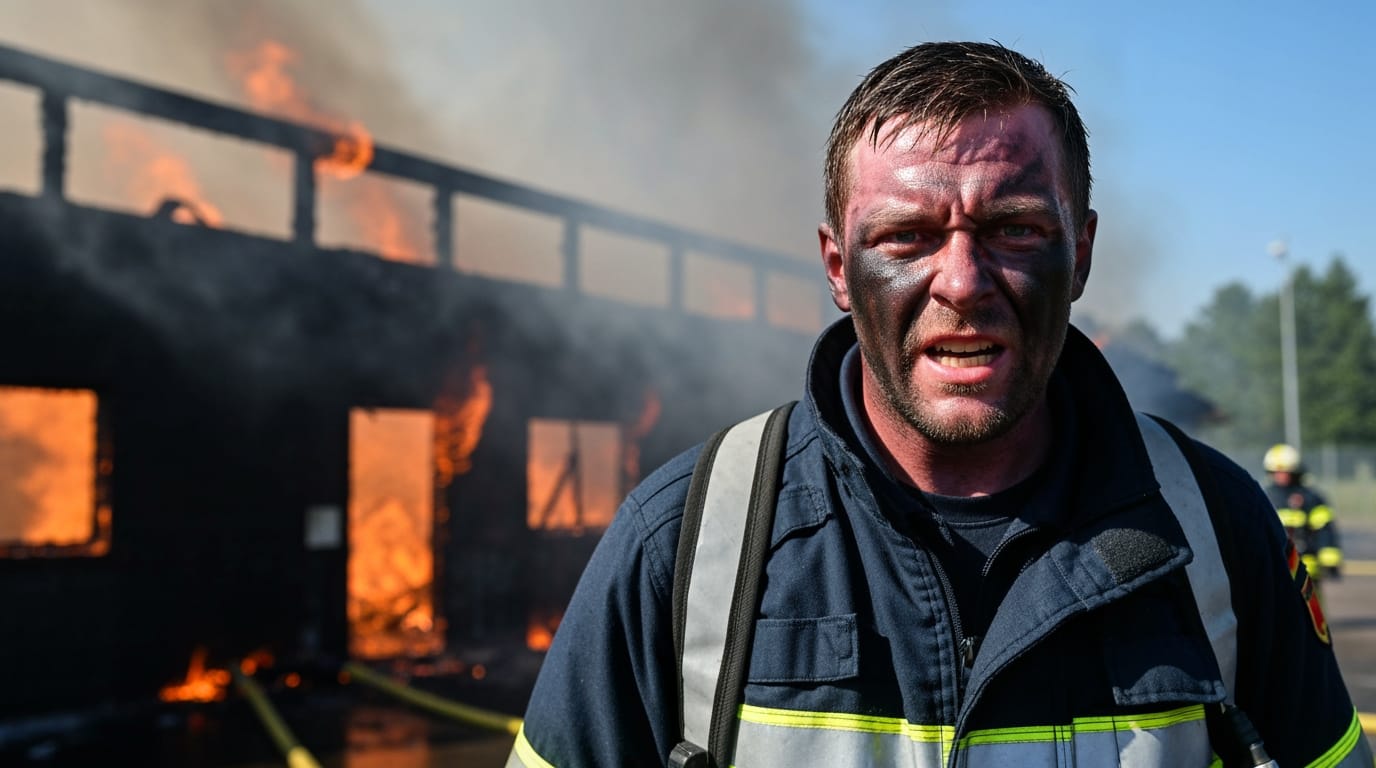
BERLIN – In a significant strategic pivot, Germany is embarking on a comprehensive expansion of its civil defense capabilities, earmarking billions for a nationwide overhaul designed to protect its population against a spectrum of modern threats, from natural disasters to potential military conflict. This sweeping initiative marks a profound shift in national security priorities, reflecting the heightened geopolitical tensions gripping Europe, particularly in the wake of Russia's full-scale invasion of Ukraine. The government's plans aim to revitalize a civil protection infrastructure that largely atrophied after the Cold War, signaling a new era of preparedness for the nation.
A New Era of Threats Prompts Renewed Urgency
For decades following the collapse of the Soviet Union, the concept of widespread civil defense in Germany receded from national consciousness, deemed largely obsolete in an era of perceived peace. Public bunkers were repurposed or fell into disrepair, and the siren networks that once symbolized readiness were largely dismantled. However, the current geopolitical climate, fundamentally reshaped by the conflict in Ukraine, has dramatically altered this perspective. German officials now openly acknowledge concerns about the risk of a major war of aggression in Europe and potential attacks on NATO member states within the coming decade. Interior Minister Alexander Dobrindt emphasized this determination, stating that Germany is "arming itself in civil protection" to respond to both natural disasters and potential military threats.
This renewed urgency is underscored by the 2023 National Security Strategy, which identifies resilience against hybrid threats, cyberattacks, and large-scale emergencies as core national priorities. Germany's defense chief has warned that allies must be prepared for an attack within the next four years, indicating a critical window for bolstering national resilience. The nation is also recognizing Russia as a primary threat, viewing Moscow's actions as an attempt to weaken the Alliance through conventional and hybrid warfare tactics.
Billions Allocated for a Comprehensive Upgrade
To meet these burgeoning challenges, Germany has announced an investment package of €10 billion ($10.9 billion to $12 billion) dedicated to strengthening its civil protection system over the next decade, with plans extending to 2029. This financial commitment represents the largest modernization program for civil protection in decades. Ralph Tiesler, head of the Federal Office for Civil Protection and Disaster Assistance (BBK), has indicated that civil defense needs could require at least €10 billion over four years and €30 billion over ten years. Funding is anticipated to be sourced, in part, from monies made available after parliament suspended Germany's debt brake, allowing for significant spending on military, critical infrastructure, and civil defense.
The investment aims to address critical vulnerabilities across multiple fronts. A key focus is the modernization and expansion of warning systems, including the re-establishment of siren networks and the development of robust digital alerts for mobile phones to ensure rapid public notification during crises. This addresses a previous shortfall where many traditional warning systems were reduced or removed post-Cold War.
Revitalizing Shelters and Ensuring Basic Provisions
A significant component of the new strategy involves a drastic improvement in the country's public shelter capacity. Currently, Germany possesses only 579 public shelters capable of accommodating approximately 480,000 people, a mere 0.5% of its total population of 83 million. This stark reality has prompted calls to quickly establish protective spaces for at least 1 million people. Recognizing that constructing entirely new bunkers is a time-consuming and expensive endeavor, authorities are focusing on identifying and converting existing public buildings, such as metro stations, underground garages, and the basements of public structures, into readily accessible temporary shelters. A digital app is reportedly under development to help citizens locate the nearest available refuge.
Beyond physical protection, the government is also bolstering strategic stockpiles of essential goods. Plans are underway to expand national food reserves, with a shift towards including more ready-to-eat items with extended shelf lives, such as canned goods. This initiative moves beyond solely relying on dedicated government facilities by partnering with food producers and retail chains, requiring them to maintain specific "untouchable reserves" on their own premises. Products nearing expiration will be cycled into the market and replaced, ensuring freshness and reducing waste. Earlier discussions from 2016 also included encouraging individual households to maintain a 10-day supply of food and a 5-day supply of water, alongside other emergency provisions like medication, blankets, and cash.
Integrating Civilian and Military Responses
The ambitious civil defense plans also underscore a greater emphasis on integrating civilian and military structures to enhance overall national resilience. The Federal Ministry of the Interior is now actively developing a civilian operational plan that will serve as a counterpart to the Bundeswehr's military operational plan for Germany (Oplan Deutschland). This collaborative approach aims to ensure seamless coordination between federal, state, and local authorities, as well as with the military, during large-scale emergencies. Disaster preparedness drills involving military, rescue services, the Federal Agency for Technical Relief, and various aid organizations are slated to become more frequent and comprehensive.
Furthermore, efforts are directed at reinforcing critical infrastructure, including water and energy supply systems, to ensure their resilience against major disruptions. The country is also prioritizing the strengthening of cyber defenses to counter hybrid attacks that could target essential services and disseminate disinformation. This multi-faceted approach aims to build a robust defense not only against conventional military threats but also against the evolving landscape of modern warfare that often targets civilian functions and societal cohesion.
Looking Ahead: A Nation Reassessing Its Security
Germany's extensive civil defense expansion signifies a profound transformation in its approach to national security. Having largely dismantled its Cold War-era protections, the nation is now rapidly re-evaluating its vulnerabilities and investing substantially in preparedness. The goal is to move from a state of relative complacency to one of proactive readiness, ensuring the safety and resilience of its population in an increasingly unpredictable world. This long-term commitment reflects a clear recognition that national security in the 21st century extends beyond military defense to encompass a robust and integrated civil protection framework. The success of this undertaking will hinge on sustained political will, effective inter-agency cooperation, and a re-engaged public understanding of its role in national preparedness.


