Germany Welcomes New Group of Afghan Refugees Amidst Evolving Resettlement Landscape
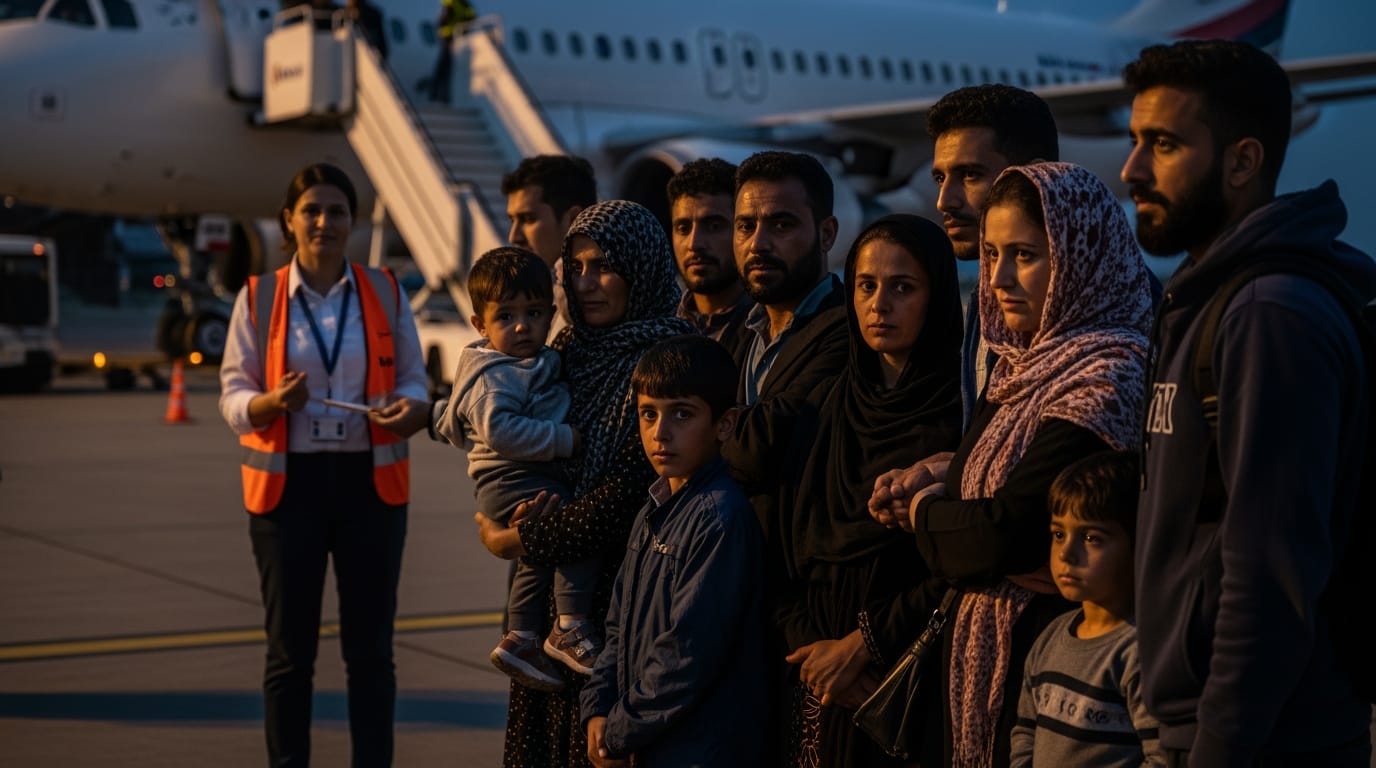
Hanover, Germany – A new cohort of 52 Afghan nationals arrived in Germany recently, marking the latest chapter in the country's ongoing, yet increasingly complex, resettlement efforts for individuals at risk following the Taliban's resurgence in Afghanistan. The group, which flew from Pakistan, landed in Hanover and Berlin, where they will begin the arduous process of rebuilding their lives in a new homeland. This arrival represents the sixth such flight since a significant shift in government policy earlier this year, underscoring both Germany's humanitarian commitments and the evolving challenges surrounding refugee integration and immigration policy.
A Lifeline for the Vulnerable: Germany's Resettlement Program
Germany's commitment to assisting vulnerable Afghans intensified after the Taliban's takeover of Kabul in August 2021. The Federal Admission Program (FAP), officially launched in October 2022, was designed to provide safe passage for those particularly at risk. These individuals include former Afghan collaborators with German forces, as well as human rights activists, journalists, and lawyers whose lives are threatened due to their past work or beliefs.
Since 2022, Germany has facilitated the relocation of approximately 45,000 Afghans through various schemes. As of April 2024, more than 33,600 individuals had successfully entered Germany under these programs. The recent arrival of 52 Afghans from Pakistan adds to these numbers, demonstrating a continued, albeit sometimes contentious, commitment to providing sanctuary. For many, like a young woman who expressed her sole wish to continue her medical studies in Germany, this journey represents a renewed hope for the future.
The process for these resettlements involves close coordination between German authorities, international agencies, and Afghan community representatives. Upon arrival, individuals are provided with initial housing and support as part of the government's integration plans, aiming to facilitate their long-term settlement into German society.
Policy Shifts and Judicial Intervention
The path to resettlement has not been without its obstacles. A new conservative, Christian Democratic Union (CDU)-led government, which took office in May 2025, introduced stricter immigration policies, leading to a temporary suspension of some resettlement efforts. This shift was partly fueled by concerns over alleged insufficient security screenings of some arrivals, prompting a broader reevaluation of admission procedures.
Despite these policy changes, German courts have played a pivotal role in ensuring that previous commitments are honored. In several instances, courts have ruled in favor of Afghan families whose resettlement visas were stalled, compelling the government to proceed with their relocation. For example, a group of ten families, comprising 47 individuals, only received their visas after pursuing legal action. These judicial interventions highlight the legal and ethical complexities inherent in international humanitarian programs and the push-pull dynamics between government policy and human rights advocacy.
Currently, approximately 1,900 to 2,000 Afghans with approved resettlement applications remain in Pakistan, awaiting their departure to Germany. Their situation is further complicated by challenges in Pakistan, including the Pakistani authorities' refusal to extend visas for Afghan refugees in transit and moves to expel hundreds of them. The German Federal Admission Program for Afghanistan is now reportedly being phased out, with a focus on facilitating the departure of those already approved, rather than issuing new admissions.
Adding another layer to the situation, the German Interior Ministry has recently issued guidelines discouraging Afghans from attempting to reach Germany through illegal channels, aiming to prevent exploitation by smugglers. Furthermore, there have been reports of Germany offering financial incentives to Afghans in Pakistan who agree to forgo their resettlement plans and instead return to Afghanistan or move to a third country. This offer, part of a "voluntary return program," has elicited strong reactions, with some refugees expressing profound distress and a preference for safety over financial compensation.
The Broader Humanitarian Context
The resettlement program operates against a backdrop of a severe humanitarian crisis in Afghanistan. The United Nations reports that over half of the Afghan population faces the risk of starvation, a situation exacerbated by ongoing instability and economic collapse since the Taliban's return to power. Millions are internally displaced, and nearly as many have sought refuge in neighboring countries like Pakistan and Iran.
Germany has been a significant contributor to humanitarian aid in the region, providing an additional EUR 600 million in 2021 for humanitarian purposes in Afghanistan and its neighboring countries. This funding supports crucial initiatives by organizations like the UNHCR, focusing on health services, education, and livelihood opportunities for Afghan refugees. This demonstrates a multi-faceted approach by Germany, combining direct resettlement with broader humanitarian assistance to address the crisis at its source and in host countries.
Looking Ahead: Integration and Ongoing Commitments
The arrival of the latest group of Afghans underscores Germany's continuing, albeit modified, role in addressing the displacement crisis emanating from Afghanistan. The focus remains on integrating those who arrive, providing them with the necessary support to establish new lives. However, the future of comprehensive resettlement programs appears to be at a crossroads, with stricter immigration policies and the phasing out of existing programs.
The tension between humanitarian obligations, national security concerns, and domestic political pressures will likely continue to shape Germany's approach to Afghan refugees. For the thousands still awaiting their chance at resettlement, and for those newly arrived, the journey toward a secure and stable future in Germany remains a testament to resilience in the face of immense adversity.