Germany's Afghan Refugee Relocation Sparks Political Friction
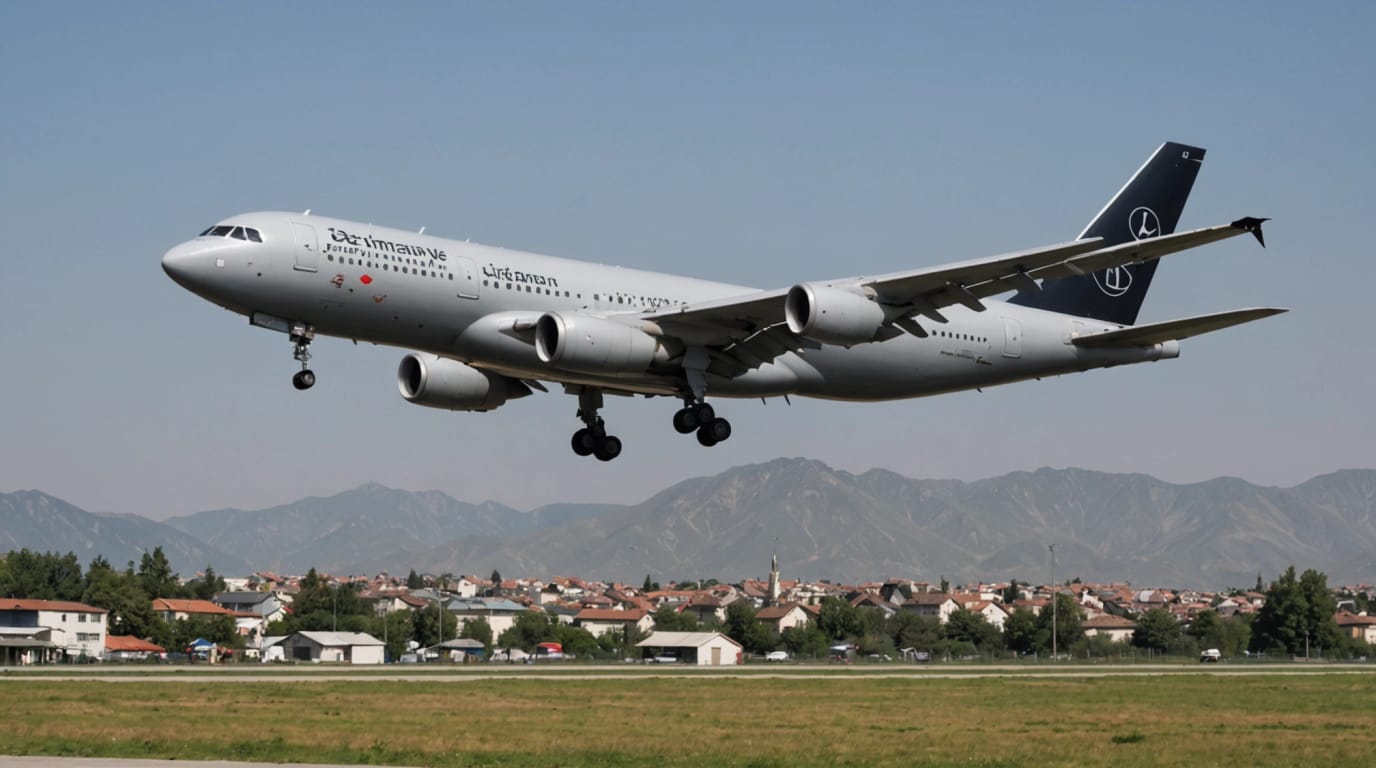
A recent flight carrying 138 at-risk Afghans to Germany has ignited a heated debate over the country's migration policies and humanitarian obligations. The arrival of the refugees, who had previously been cleared for entry, has drawn criticism from conservative politicians who accuse the government of rushing through admissions before a change in leadership, while advocates defend the move as a necessary step to protect vulnerable individuals.
The Details of the Relocation
The chartered flight, which originated in Islamabad, Pakistan, landed in Germany on Thursday, carrying Afghans who had fled their home country and were classified as vulnerable. According to the German Interior Ministry, 45 of the passengers were children and young people, while the remaining adults included 76 women and 62 men. The Foreign Office confirmed that these individuals were part of various programs and had received legally binding admission promises from Germany. This flight is one of several that have taken place in recent months, with three previous flights in February and March bringing a total of 461 people from Afghanistan to Germany. Those arriving include former staff of German institutions in Afghanistan and their relatives, as well as Afghans at risk of persecution by the Taliban, such as human rights lawyers and journalists. The Federal Foreign Office estimates that around 2,600 particularly vulnerable Afghans are still awaiting relocation.
Political Fallout and Shifting Policies
The relocation has triggered a political storm in Germany, with the center-right Christian Democrats (CDU), led by Chancellor-in-waiting Friedrich Merz, accusing the outgoing coalition of exploiting so-called admission flights ahead of a change of government. Critics argue that these actions fuel support for the far-right, which has been increasingly vocal in its opposition to immigration. Germany's incoming government plans to end the admission programs, as outlined in its newly released coalition agreement. "We will end voluntary federal admission programs as far as possible (e.g., Afghanistan) and not launch any new programs," the agreement states. This shift in policy reflects growing concerns about migration and a desire to tighten border controls.
Humanitarian Concerns and International Pressure
Despite the political opposition, many defend the relocation efforts as a moral imperative. Advocates emphasize Germany's humanitarian obligations toward those who risked their lives in Afghanistan, particularly those who worked with German institutions or campaigned for human rights. They argue that failing to honor these commitments would have dire consequences for individuals who are now at risk under Taliban rule. Germany, along with other Western nations, faces increasing pressure from humanitarian groups to expedite the evacuation and resettlement of Afghans who supported international missions and remain stranded in neighboring countries. The United Nations and various human rights organizations have called on countries to provide safe passage and asylum for Afghan refugees.
The Situation in Pakistan
A significant number of Afghans awaiting relocation are currently in Pakistan, where they face growing uncertainty. Pakistani authorities have tightened restrictions, conducting mass detentions and deporting undocumented Afghan refugees. This has created a precarious situation for those who have been approved for resettlement in Germany but are still waiting to be processed. The German Foreign Ministry has confirmed that around 2,600 vulnerable Afghans currently in Pakistan are awaiting relocation. These include former employees of German institutions in Afghanistan, their family members, and individuals at high risk, such as human rights defenders and journalists.
Future of Afghan Resettlement in Germany
The future of Afghan resettlement in Germany remains uncertain. While the current government has pledged to continue processing existing applications, the incoming government's plans to end admission programs raise concerns about the long-term prospects for Afghan refugees. Some have suggested alternative resettlement mechanisms, such as transferring individuals through third countries or placing them in safe zones, but these options remain vague and undeveloped. The debate over Afghan resettlement highlights the complex challenges facing Germany and other European countries as they grapple with migration pressures and humanitarian responsibilities. The need to balance security concerns with the protection of vulnerable individuals remains a key challenge.
As Germany navigates this complex situation, the fate of thousands of at-risk Afghans hangs in the balance. The decisions made in the coming months will have a profound impact on their lives and will shape Germany's role in addressing the global refugee crisis.