Germany's Breweries Toast to a Sober Revolution as Alcohol-Free Beer Dominates Market
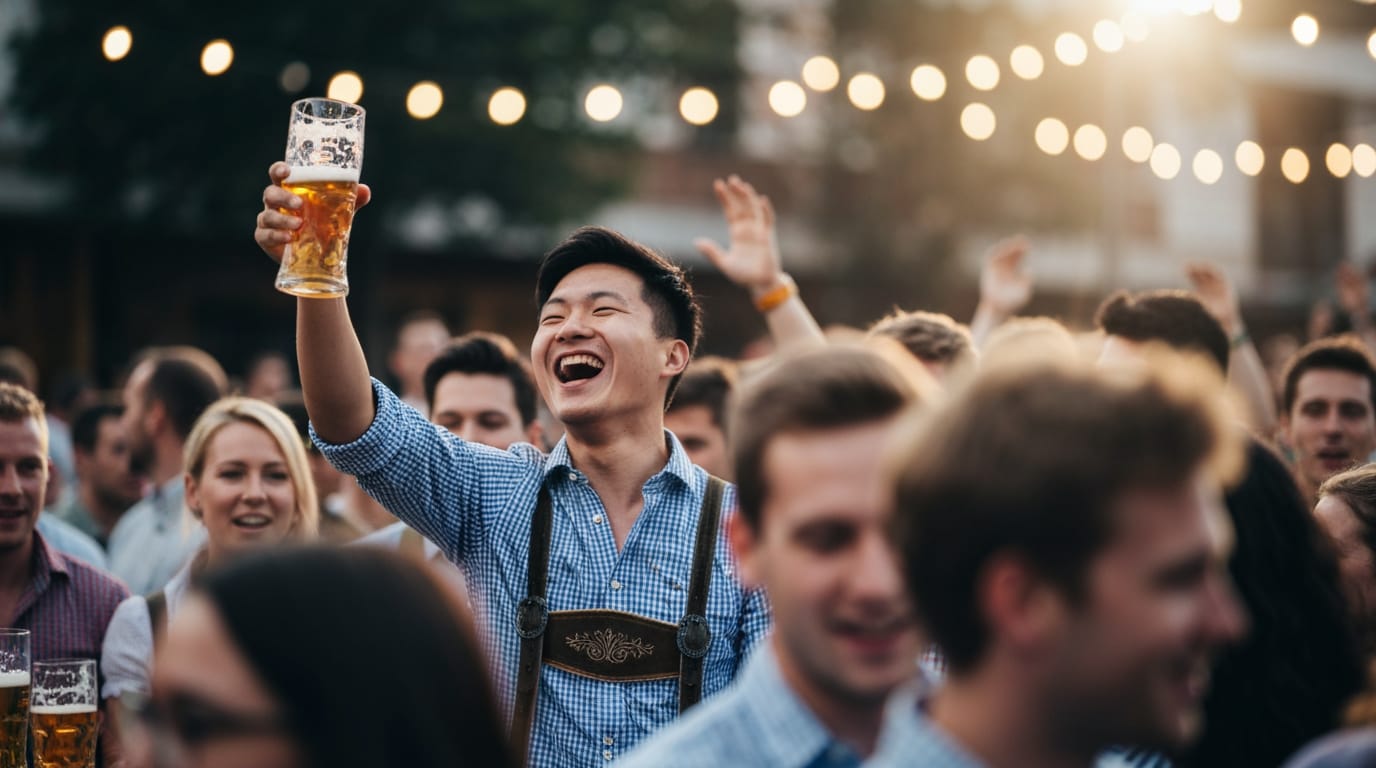
MUNICH, Germany – In a country synonymous with Oktoberfest, centuries-old brewing traditions, and a deep-seated love for its golden lager, a remarkable shift is underway. Germany, the global leader in alcohol-free beer production and consumption, is witnessing an unprecedented boom in beverages that offer all the flavor without the alcoholic content. This evolution, driven by changing consumer preferences, health consciousness, and significant technological advancements in brewing, is not merely a passing trend but a fundamental redefinition of German beer culture, offering a lifeline to an industry facing declining traditional beer sales.
The Shifting Tides of German Beer Culture
For decades, the German beer market has grappled with a steady decline in overall consumption. The average German now consumes approximately 88 liters of beer annually, a notable decrease from 126 liters in 2000. This downturn has forced breweries to innovate, and the burgeoning alcohol-free sector has emerged as a beacon of hope. What began as "Autofahrerbier" (motorist's beer) in the 1970s, designed for drivers needing to remain sober, has transformed into a sophisticated and diverse category. Early iterations, such as East Germany's "Aubi," were often characterized by their less-than-desirable taste. However, the landscape has dramatically changed, with over 700 non-alcoholic beer brands now available across Germany, making it the largest market for such beverages in Europe.
Production figures underscore this rapid expansion. According to the Federal Statistical Office (Destatis), the output of non-alcoholic beer in Germany more than doubled in the last decade, soaring by 109%. In 2023, this amounted to 556 million liters, valued at approximately 548 million euros. By the fall of 2024, non-alcoholic beer commanded an 8.9% market share, positioning it as the third most popular beer type in Germany, trailing only Pilsner and Helles. Experts predict this figure will soon surpass the 10% mark, signaling a significant structural change in consumer habits.
Health, Innovation, and Market Demand Fueling Growth
The surge in popularity of alcohol-free beer is multifaceted, primarily driven by a growing emphasis on health and wellness among consumers. Younger generations, in particular, exhibit a preference for more conscious and healthier consumption choices, viewing alcohol-free beer as a lifestyle beverage. Athletes, too, have embraced these brews, with many German non-alcoholic beers marketed as "isotonic" sports beverages, recommended by institutions like the German Institute for Sports Nutrition for effective post-exercise recovery.
Crucially, the vast improvement in the quality and taste of alcohol-free beers has played a pivotal role in overcoming past stigmas. Gone are the days when alcohol-free options were dismissed as flat or tasteless. Modern German brewers are leveraging advanced technologies to produce non-alcoholic beers that rival their alcoholic counterparts in aroma and complexity, all while adhering to the stringent 500-year-old Reinheitsgebot (German Beer Purity Law). Techniques such as vacuum distillation, membrane filtration, and controlled fermentation are employed to either remove alcohol after traditional brewing or to prevent its formation during the brewing process. This commitment to quality ensures that these beers retain their character, offering a satisfying experience for discerning drinkers.
Breweries Adapt and Thrive in a Changing Landscape
The adaptation to this evolving market has seen both large-scale producers and smaller craft breweries integrating alcohol-free options into their portfolios. Major brewers across Germany now typically offer several non-alcoholic styles, providing an extensive array of choices for consumers. This includes pioneers like Erdinger Alkoholfrei, which has successfully positioned its wheat beer as a sports drink. Even at iconic events like Oktoberfest, the shift is undeniable; for the first time in 2025, every tent at the world's largest beer festival served non-alcoholic beer, a symbolic acknowledgement of changing drinking culture.
However, the transition is not without its challenges, particularly for smaller, traditional breweries. Producing high-quality non-alcoholic beer often requires specialized and more expensive equipment, and the process can be more time-consuming than brewing traditional beer. Despite these increased production costs, non-alcoholic variants are generally sold at similar prices to their alcoholic equivalents, impacting profit margins. While some smaller breweries, like Lang-Brau, have struggled to adapt and ultimately ceased operations, for many others, the alcohol-free segment has proven to be a vital lifeline amidst declining overall beer sales and rising operational costs due to inflation.
Global Impact and Future Outlook
Germany's leadership in the alcohol-free beer market extends beyond its borders. The country produced over 550 million liters of non-alcoholic beer in 2023, making it the largest producer in the European Union. These brews are increasingly being exported, especially to regions with alcohol restrictions, showcasing Germany's reputation for precision and quality on a global scale. The global non-alcoholic beer market itself is experiencing robust growth, valued at $20.08 billion in 2023 and projected to reach $31.99 billion by 2028.
Despite the ongoing challenges, such as the initial higher production costs and the lingering cultural stigma among some traditional drinkers, the outlook for Germany's alcohol-free beer market remains highly optimistic. The continuous innovation in brewing techniques, coupled with sustained consumer demand for healthier options, suggests a future where alcohol-free beer is not just an alternative, but a mainstream choice.
Conclusion
Germany's brewing industry, steeped in centuries of tradition, is demonstrating remarkable adaptability in the face of evolving consumer preferences. The explosive growth of alcohol-free beer reflects a profound cultural shift towards moderation and health-consciousness, embraced by a new generation of drinkers. By merging time-honored brewing principles with cutting-edge technology, German breweries have not only revitalized a struggling industry but have also established a global benchmark for quality and innovation in the non-alcoholic beverage sector. This sober revolution signifies that the enjoyment of finely crafted beer is no longer solely tied to its alcohol content, paving the way for a diverse and inclusive future for beer enthusiasts worldwide.


