Germany's Bundeswehr Reaches 13-Year Troop High Amid Renewed Defense Push
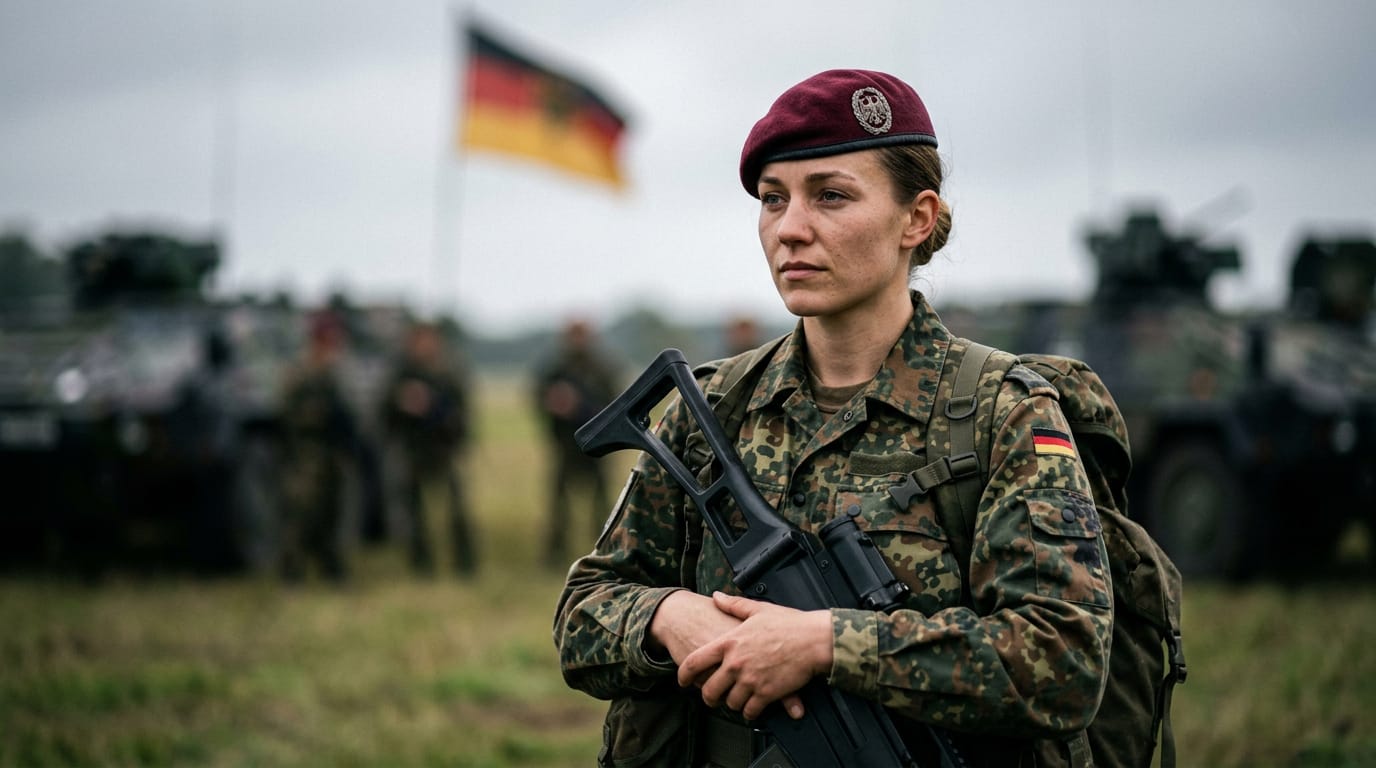
BERLIN, Germany – Germany's armed forces, the Bundeswehr, have recorded their highest troop numbers in 13 years, signaling a significant shift in the nation's defense posture in response to evolving geopolitical realities. The uptick reflects a concerted effort by Berlin to revitalize its military capabilities, address long-standing personnel shortages, and meet increasing commitments within NATO, particularly in the wake of heightened tensions in Eastern Europe. The current active-duty strength stands at 186,700 soldiers, marking a notable increase over the past year.
The recent growth in Bundeswehr personnel underscores a broader strategic reorientation for Germany, traditionally known for its cautious approach to military matters. Driven by the imperative to project greater stability and security within Europe, the country is undertaking ambitious recruitment drives and considering novel approaches to military service to sustain this momentum. This revitalization is not merely about numbers; it represents a fundamental recalibration of Germany's role in collective defense and international security.
The Surge in Ranks: A Statistical Overview
As of July this year, the Bundeswehr has grown to 186,700 active soldiers, an increase of approximately 3,700 men and women over the past 12 months, representing a roughly 2% rise. This figure marks the highest personnel count since 2013. Further data from December 31, 2025, indicated 184,194 military personnel, reflecting a net increase of around 3,000 soldiers for that year and marking the highest year-end military personnel count in over a decade. This upward trend follows years of declining or stagnant numbers since the suspension of compulsory military service in 2011.
The recruitment efforts appear to be yielding positive results, with the Bundeswehr receiving 47,300 applications last month, a substantial 26% increase compared to July 2025. The armed forces also reported a 20% increase in overall applicants since last year following the launch of its recruitment drive. In 2025 alone, new enlistments reached 25,000, touted as the best recruitment result since the end of conscription. Despite this positive trajectory, Germany faces ambitious targets, aiming to reach 260,000 active soldiers by 2035 and build a reserve force of 200,000.
Geopolitical Shifts Fueling Military Expansion
The primary catalyst for this renewed focus on military strength and personnel growth is the dramatically altered geopolitical landscape, particularly Russia's invasion of Ukraine in 2022. This event compelled NATO to demand greater preparation and superior capabilities from its members, shifting Germany's traditionally restrained defense policy. Additionally, concerns over the long-term reliability of U.S. leadership have spurred European nations, including Germany, to assume greater responsibility for their own security.
Germany's commitment is evident in its increased defense spending, which reached 2.3% of its Gross Domestic Product (GDP) in 2025, exceeding NATO's 2% target for the first time since 1990. This financial injection is part of a broader vision articulated in Germany's first standalone military strategy since World War II, titled "Verantwortung für Europa" (Responsibility for Europe), unveiled in April 2026. The strategy sets an ambitious goal for the Bundeswehr to become the strongest conventional military force in Europe by 2039, emphasizing territorial defense and deterrence.
Innovative Recruitment Strategies and Future Plans
To meet its ambitious personnel targets, the Bundeswehr has rolled out a multi-pronged recruitment strategy. This includes modern digital campaigns, notably on platforms like TikTok, where the "Bundeswehr Karriere" account blends recruitment messages with humor and behind-the-scenes glimpses of military life to appeal to younger generations. Traditional outreach through career fairs, school visits, and community events also continues.
More significantly, Germany has introduced a new "voluntary military conscription" plan. Beginning in 2026, 18-year-olds will receive questionnaires about their motivation and suitability for military service, with responses mandatory for men. Those who volunteer for a six-month service period are offered a monthly stipend of €2600. This initiative includes a fallback mechanism: if voluntary enlistment fails to meet targets, partial compulsory enlistment could be introduced. As of 2026, around 12,100 volunteers and short-term contract conscripts are serving under this new model, though skepticism remains among some officials about its ability to generate the required numbers.
Persistent Challenges on the Path to Full Strength
Despite the positive trend in troop numbers, the Bundeswehr still confronts significant challenges that could impede its long-term goals. Critical issues include persistent shortages in equipment, ammunition, and adequate infrastructure. A parliamentary special commissioner's report highlighted the military's far removal from its goal of exceeding 200,000 personnel by 2031, noting issues like promotion delays and an aging soldier demographic. The average age of German contract soldiers rose from 32.4 years in 2019 to 34 years.
The military also faces stiff competition from the civilian labor market and societal attitudes that have historically presented hurdles to recruitment. While the current growth rate is encouraging, some analyses suggest that a linear increase at the current pace would fall significantly short of the 80,000 additional troops needed to reach the 260,000 target by 2035. Modernizing the Bundeswehr's aging infrastructure alone is estimated to require 67 billion euros.
Conclusion: A Pivotal Moment for German Defense
Germany's Bundeswehr stands at a pivotal juncture. The recent surge in troop numbers to a 13-year high reflects a determined national effort to strengthen its defense capabilities and fulfill its responsibilities within NATO and the broader European security architecture. The ongoing conflicts in Eastern Europe, coupled with a shifting global power balance, have solidified the political will in Berlin to invest substantially in its military.
While innovative recruitment strategies and significant defense spending increases are driving this growth, the journey to becoming Europe's strongest conventional military force is fraught with challenges. Addressing persistent equipment, infrastructure, and retention issues will be crucial for the Bundeswehr to consolidate its gains and ensure sustained growth. The coming years will demonstrate whether Germany can successfully navigate these complexities, transforming its ambitious defense vision into a robust and ready military capable of meeting future threats.