Germany's CDU and SPD Explore Common Ground After Inconclusive Election
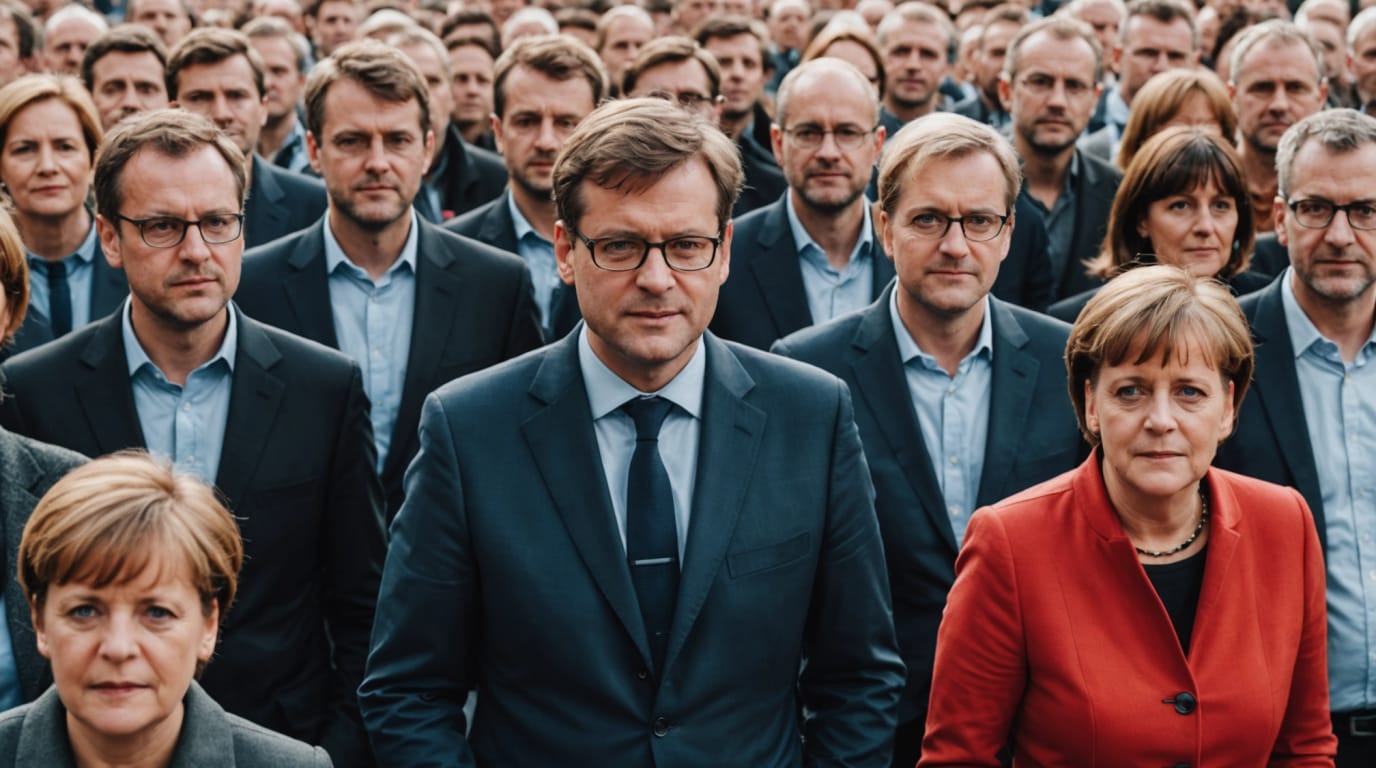
BERLIN – Germany's political landscape is undergoing a significant shift following the federal election on Feb. 23, 2025. While the center-right Christian Democratic Union (CDU) emerged as the strongest party, led by Friedrich Merz, the election results have paved the way for complex coalition negotiations, primarily with the center-left Social Democrats (SPD). The outcome of these talks will determine the country's direction on critical issues ranging from economic policy and immigration to foreign relations and energy transition.
Election Results and the Path to Coalition
The CDU/CSU secured 28.5% of the vote, marking a notable improvement from their 2021 performance but falling short of an outright majority. The SPD, led by outgoing Chancellor Olaf Scholz, experienced a significant decline, garnering only 16.4% of the vote. The far-right Alternative for Germany (AfD) achieved its best electoral performance to date, securing 20.8% of the vote and becoming the second-largest parliamentary group, but remains politically isolated as all other parties have ruled out forming a coalition with them. With the Green party's influence diminished, a coalition between the CDU/CSU and SPD appears to be the most viable path toward forming a stable government.
Key Areas of Negotiation
Friedrich Merz has emphasized the urgency of addressing critical issues and has expressed his desire to begin talks with the SPD swiftly. The primary areas of negotiation include:
- Foreign and Security Policy: Both mainstream parties remain committed to supporting Ukraine and strengthening NATO. However, potential differences in approach and the extent of financial commitments will need to be addressed.
- Migration: Migration policy is a contentious issue, with the CDU advocating for stricter border controls and the SPD favoring a more humanitarian approach aligned with German and EU laws. Finding common ground on asylum processes and integration policies will be crucial.
- Economy: Revitalizing Germany's sluggish economic growth is a shared priority. The CDU/CSU favors tax cuts, deregulation, and reduced energy costs to stimulate investment, while the SPD emphasizes targeted public investment and social spending. Negotiating a balanced approach that addresses both supply-side and demand-side factors will be essential.
- Energy Transition: While both parties acknowledge the importance of transitioning to renewable energy sources, they differ on the pace and specific measures. The CDU/CSU aims to maintain the official coal phase-out date of 2038 and has expressed a more favorable view of nuclear energy, while the SPD prioritizes accelerating the expansion of renewable energy and implementing stricter climate policies.
Potential Stumbling Blocks
Despite the shared recognition of the need for a stable government, several potential stumbling blocks could complicate coalition negotiations:
- The Debt Brake: The CDU/CSU and SPD hold differing views on Germany's "debt brake," which limits the structural budget deficit. The CDU/CSU generally supports its retention, while the SPD favors loosening the rule to allow for increased public investment.
- Welfare Reforms: The CDU has promised to overhaul the welfare system, while the SPD has cautioned against drastic changes and emphasized the importance of maintaining social security.
- Differing Policy Priorities: The two parties have distinct policy priorities across various sectors, including healthcare, education, and transportation. Reconciling these differences and finding mutually acceptable compromises will require skillful negotiation and compromise.
Implications for Germany and Europe
The outcome of the coalition negotiations will have far-reaching implications for both Germany and Europe:
- Domestic Policy: The new government's policies on economic reform, immigration, and social welfare will shape the lives of millions of Germans and determine the country's future trajectory.
- European Union: Germany plays a pivotal role in the EU, and the new government's stance on key issues such as defense, climate change, and economic integration will significantly impact the bloc's direction.
- International Relations: As a major global player, Germany's foreign policy decisions, particularly regarding its relationship with the United States, Russia, and China, will have significant geopolitical consequences.
The Road Ahead
As coalition talks progress, the CDU and SPD face the challenge of bridging their differences and forging a common vision for Germany's future. The negotiations are expected to be complex and potentially protracted, but the need for a stable and effective government is paramount. The coming weeks will be critical in determining whether the two parties can overcome their differences and usher in a new era of political cooperation in Germany.
The formation of a stable government is crucial for Germany to address pressing domestic and global challenges, including economic recovery, immigration, and foreign policy. The outcome of the coalition talks will not only shape Germany's domestic policies but also impact the broader European economy and financial markets.


