Germany's CDU and SPD Plan Billions in Spending for Army and Infrastructure
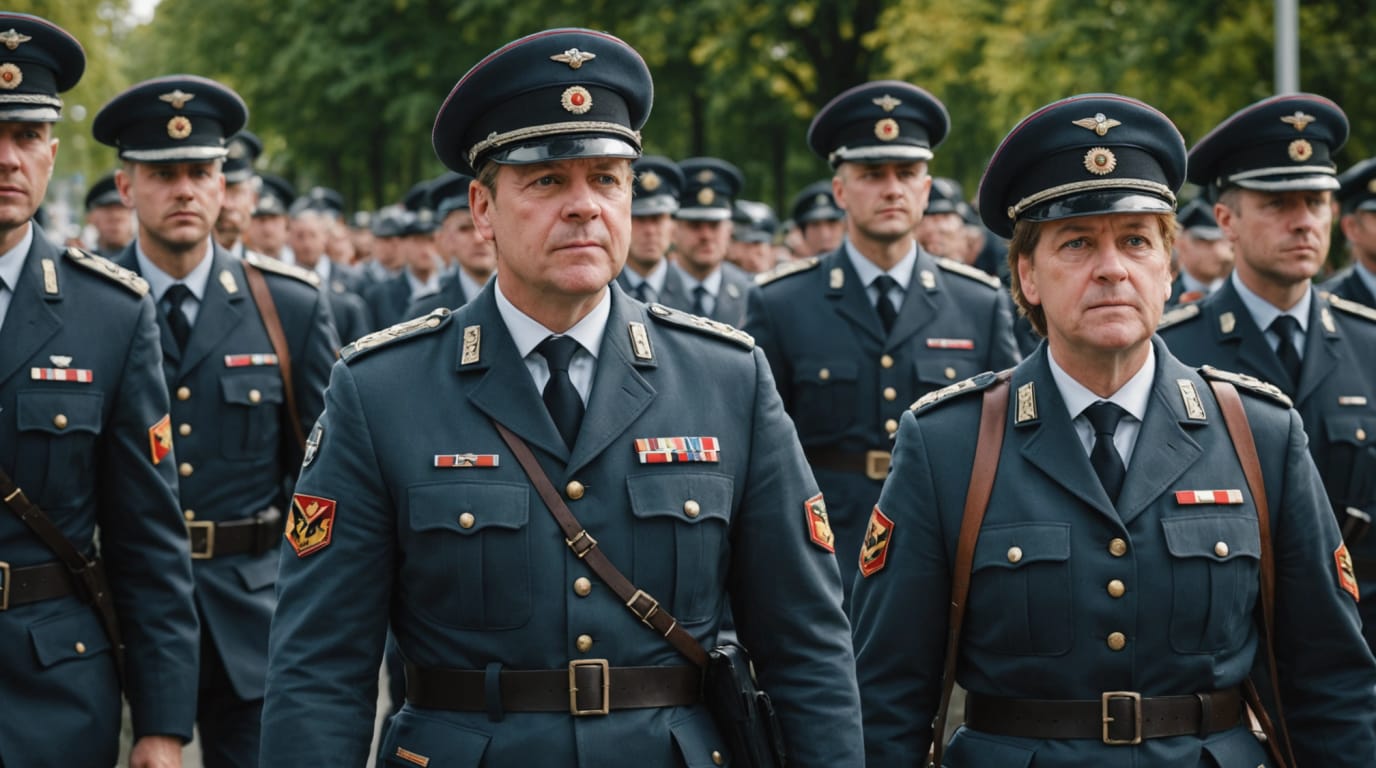
In a significant policy shift, Germany's Christian Democratic Union (CDU) and Social Democratic Party (SPD) have announced plans for a massive investment in the nation's military and infrastructure. The parties, currently engaged in coalition talks, aim to inject hundreds of billions of euros into modernizing the armed forces and upgrading the country's aging infrastructure. This move comes amid growing concerns about European security and the need for Germany to bolster its defense capabilities, as well as address long-standing infrastructure deficits.
Overcoming the Debt Brake
A key component of the plan involves amending Germany's Basic Law to ease the strict constitutional "debt brake." This fiscal rule limits the country's structural budget deficit, making it difficult to finance large-scale investments. The proposed amendment would exempt defense spending above 1% of GDP from these limitations, allowing for increased borrowing to fund military modernization. Based on Germany's 2024 GDP, this would apply to all spending above roughly 43 billion euros.
Friedrich Merz, leader of the CDU and likely next Chancellor, emphasized the urgency of strengthening Germany's and Europe's defense capabilities. He stated that the CDU, CSU, and SPD would table a motion to amend the Basic Law, ensuring that defense spending above the 1% threshold is exempt from the debt brake. This move signals a departure from previous fiscal conservatism and reflects a growing recognition of the need for greater investment in national security.
A €500 Billion Infrastructure Fund
In addition to increased defense spending, the CDU and SPD are proposing a special fund of 500 billion euros for infrastructure modernization over the next 10 years. This fund would target critical areas such as roads, railways, bridges, energy grids, schools, day care centers, hospitals, and digital infrastructure. The goal is to address years of underinvestment and improve the country's overall competitiveness and quality of life.
Lars Klingbeil, leader of the SPD, highlighted the need to address the "wear and tear" on Germany's infrastructure. He emphasized that investments would not only be made in the armed forces but also in essential public services and infrastructure projects. This comprehensive approach aims to ensure that Germany is well-equipped to meet the challenges of the 21st century.
Political Maneuvering and Potential Hurdles
The CDU and SPD are seeking to pass these measures through the current Bundestag before the newly elected parliament convenes. This is because the current parliament has a two-thirds majority consisting of the CDU/CSU, SPD, and Greens, which is necessary to amend the Basic Law. The newly elected parliament does not have this same majority, making it more difficult to pass the proposed changes.
However, the plan has faced criticism from some quarters. Katharina Dröge, a leader of the Green Party, criticized Merz for failing to engage in dialogue with her party before announcing the plan. There are also concerns that the CDU/CSU did not outline these fiscal plans during the recent election campaign. Some within the CDU/CSU may also oppose changes to the debt brake, potentially undermining Merz's leadership.
Geopolitical Context and Implications
The decision to increase defense spending and invest in infrastructure comes against the backdrop of a changing geopolitical landscape. The conflict in Ukraine, rising tensions with Russia, and uncertainty about the future of U.S. foreign policy have all contributed to a sense of urgency in Berlin. The recent clash between U.S. President Donald Trump and Ukrainian President Volodymyr Zelenskyy, along with the temporary pause in U.S. military aid to Ukraine, have further heightened concerns about European security.
The German government recognizes the need to take greater responsibility for its own defense and to contribute more to European security efforts. The increased defense spending is intended to modernize the Bundeswehr and enhance its capabilities to meet current and future threats.
Economic Impact and Reactions
Economists and industry associations have generally welcomed the proposed investments in infrastructure. They argue that the 500 billion euro fund could provide a significant boost to the German economy, creating jobs and increasing long-term growth potential. The investments are expected to address urgent needs in transportation, energy, and digital infrastructure, improving the country's competitiveness and attracting foreign investment.
However, some economists have cautioned that the plan could lead to increased debt and potentially higher interest rates. They argue that it is important to ensure that the investments are well-targeted and that the government implements structural reforms to improve productivity and competitiveness.
A Historic Turning Point?
The proposed spending plans represent a significant shift in German fiscal policy and a recognition of the need for greater investment in both defense and infrastructure. If approved, these measures could have far-reaching implications for Germany's economy, security, and role in the world.
The Zeit newspaper described Merz's plans as potentially "one such moment" in which the history of a country takes an unexpected turn. While challenges and obstacles remain, the agreement between the CDU and SPD signals a new era of investment and a renewed commitment to strengthening Germany's future.


