Germany's Climate Conundrum: As Temperatures Soar, So Does Public Skepticism
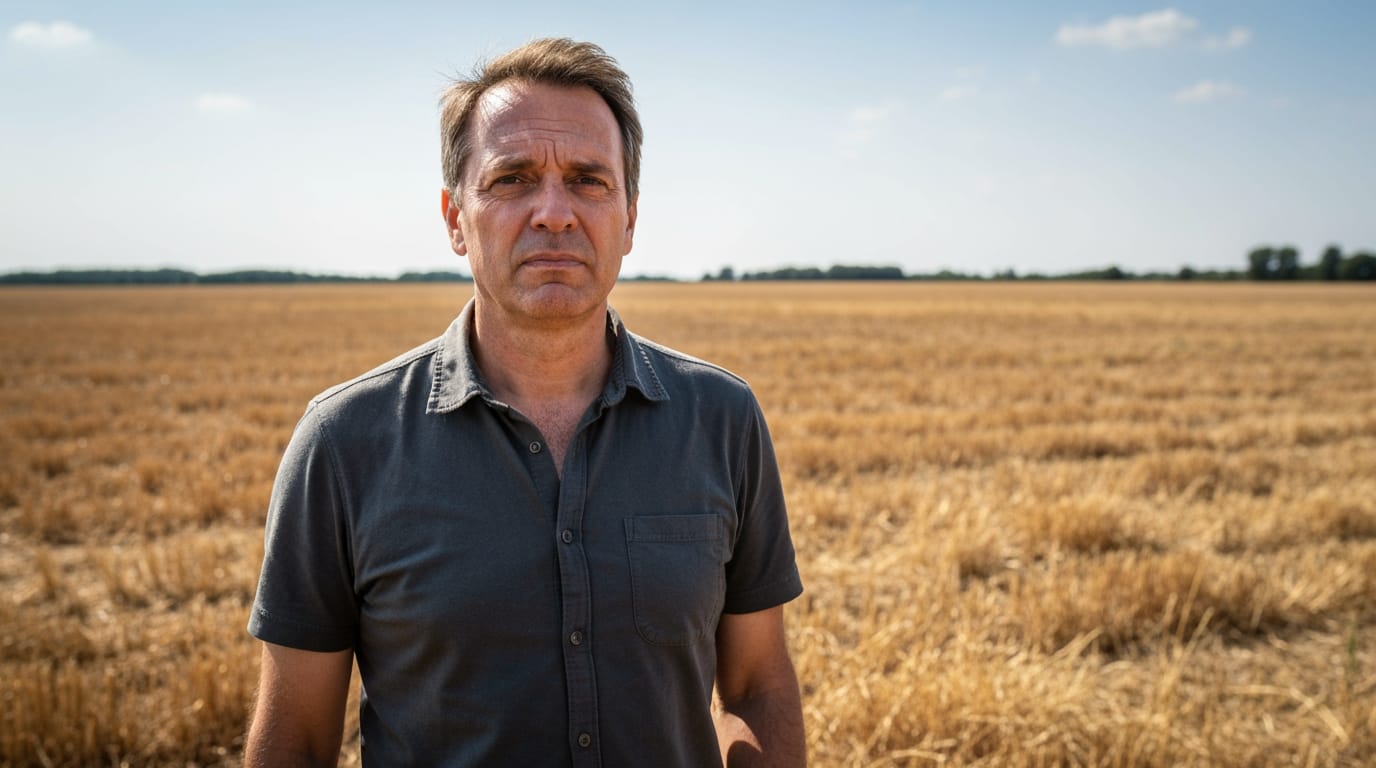
BERLIN – A profound paradox is unfolding in Germany, a nation long heralded as a global leader in environmental consciousness and climate action. Despite experiencing increasingly frequent and intense heatwaves, alongside other severe weather events, public skepticism towards climate change and the efficacy of mitigation policies is on a noticeable rise. This unexpected divergence between observable environmental realities and shifting public sentiment presents a significant challenge to Germany's ambitious climate goals and its role on the international stage.
The Warming Reality vs. Waning Urgency
Germany has been on the front lines of climate change's direct impacts. The country has witnessed a substantial increase in average temperatures, with the number of "hot days" exceeding 30 degrees Celsius more than doubling between 2009 and 2023. Recent heatwaves have pushed temperatures above 40 degrees Celsius in many regions, creating life-threatening situations and straining infrastructure, from public transport to unshaded urban areas. Over half of Germans (50.7%) acknowledge feeling the personal impact of climate change, with 45.5% attributing more frequent heatwaves and 55.8% citing increased extreme weather events like storms and floods to climate shifts. Two-thirds of respondents in one study reported that heatwaves negatively affected their health, highlighting a direct human cost. Furthermore, a significant 51% of the population believes their homes are inadequately prepared for intensifying heatwaves, indicating a critical gap in climate adaptation measures.
However, alongside these tangible experiences, a growing sense of resignation, termed "climate fatigue," has taken root. Recent surveys indicate a clear decline in the perceived urgency of environmental and climate protection. While still important, climate change now ranks fifth among societal concerns, overshadowed by social justice, international conflicts, economic development, and immigration/migration. Only 33% of respondents consider it one of the most pressing issues. This marks a notable shift from 2020, when 65% of Germans considered environmental protection "very important"; that figure dropped to 57% in 2022 and further to 54% in 2024. Support for the goal of limiting global warming to under 2°C has also waned, falling to 57% from its previous levels.
Unraveling the Roots of Doubt
The surge in climate skepticism in Germany, particularly observed between 2022 and 2023, is complex and multi-faceted. Researchers from Europa-Universität Flensburg highlighted that this increase is no longer a fringe phenomenon, with 59% of those surveyed in 2023 expressing more skeptical attitudes than in the preceding year. A staggering 93% reported increased doubts in at least one area related to climate change or policy.
Political affiliation emerges as a significant predictor of skepticism. The study points to a pronounced increase in skepticism among individuals with right-wing political views, low trust in the federal government, and a hierarchical worldview. Supporters of the Alternative for Germany (AfD), a right-wing populist party, consistently exhibit higher levels of climate change skepticism, often prioritizing job protection over environmental concerns. This political dimension suggests that skepticism is less about a lack of information and more about subjective attitudinal factors, including distrust in government institutions and dissatisfaction with democracy itself.
Economic anxieties also play a crucial role. A substantial 36.6% of respondents expressed worry about the negative economic impacts of climate measures, such as rising energy costs and potential job losses. This concern often leads to a prioritization of economic development over climate action in public discourse. Compounding this is a widespread pessimism regarding the effectiveness of global climate efforts; 36.6% consider current measures insufficient, and 17.1% believe climate change is already an unstoppable force. This sense of futility can disincentivize engagement and foster skepticism. Low trust in science and the misconception that there is no scientific consensus on climate change also contribute to the skepticism.
Policy Paralysis and Public Disconnect
The growing climate skepticism has direct implications for the feasibility and public acceptance of climate policies in Germany. While a majority of Germans still advocate for climate action and even desire Germany to play a leading global role in climate protection (55%), there is a profound lack of trust in the government's ability to formulate and implement effective policies. The German government's approach to climate protection is widely perceived as haphazard (62%), ineffective (56%), and unjust (55%). Many citizens feel that proposed measures are premature (62%) and disproportionately focus on potential losses rather than benefits (70%).
This disconnect creates a challenging environment for policymakers. The rise in skeptical attitudes makes it increasingly difficult to pass comprehensive climate mitigation policies. There is a discernible shift in public focus from preventative climate action to adaptation strategies, particularly concerning protecting health, homes, and local quality of life. This shift reflects a pragmatic response to immediate concerns but risks undermining long-term mitigation efforts. The low confidence in policymakers is seen as a significant obstacle to achieving effective climate action, despite general public support for the overarching goal. Some research even suggests that conventional surveys might underestimate the true extent of climate change skepticism, especially among politically relevant subgroups, due to a propensity for misreporting.
The Scientific Consensus and the Information Gap
Amidst these public perceptions, the scientific consensus on anthropogenic climate change remains robust and virtually unchallenged within the scientific community. Over 90% of scientists actively studying climate variation agree that global warming is a real and urgent problem caused by human activities. Climate communication research consistently shows that emphasizing this overwhelming scientific consensus can be an effective tool in reducing skepticism.
However, simply presenting facts may not be sufficient to bridge the widening gap between scientific understanding and public perception. Studies indicate that while correcting "misperceptions" can be helpful, it does not automatically translate into greater climate action or overcome underlying distrust and competing priorities. The challenge lies not only in informing the public but also in building trust in institutions and ensuring that climate policies are perceived as fair, effective, and addressing broader societal concerns. Without a nuanced approach that considers the socio-economic and political drivers of skepticism, Germany risks further alienation of segments of its population, jeopardizing its climate leadership and the collective effort required to address the escalating climate crisis.
Conclusion
Germany finds itself at a critical juncture where the escalating reality of climate change clashes with a noticeable rise in public skepticism and a decline in the perceived urgency of environmental action. While the physical manifestations of a warming planet become undeniable, a complex interplay of political polarization, economic anxieties, distrust in governmental efficacy, and "climate fatigue" has fostered an environment where climate policy faces increasing resistance. Reconciling Germany's commitment to climate protection with the evolving sentiments of its populace demands more than just scientific communication. It requires a renewed focus on transparent, socially just, and economically viable climate strategies that can rebuild public trust and demonstrate tangible benefits, ensuring that the nation's environmental ambitions do not falter under the weight of growing doubt.


