Germany's Decades-Long Journey to Marriage Equality Culminates in Historic Vote
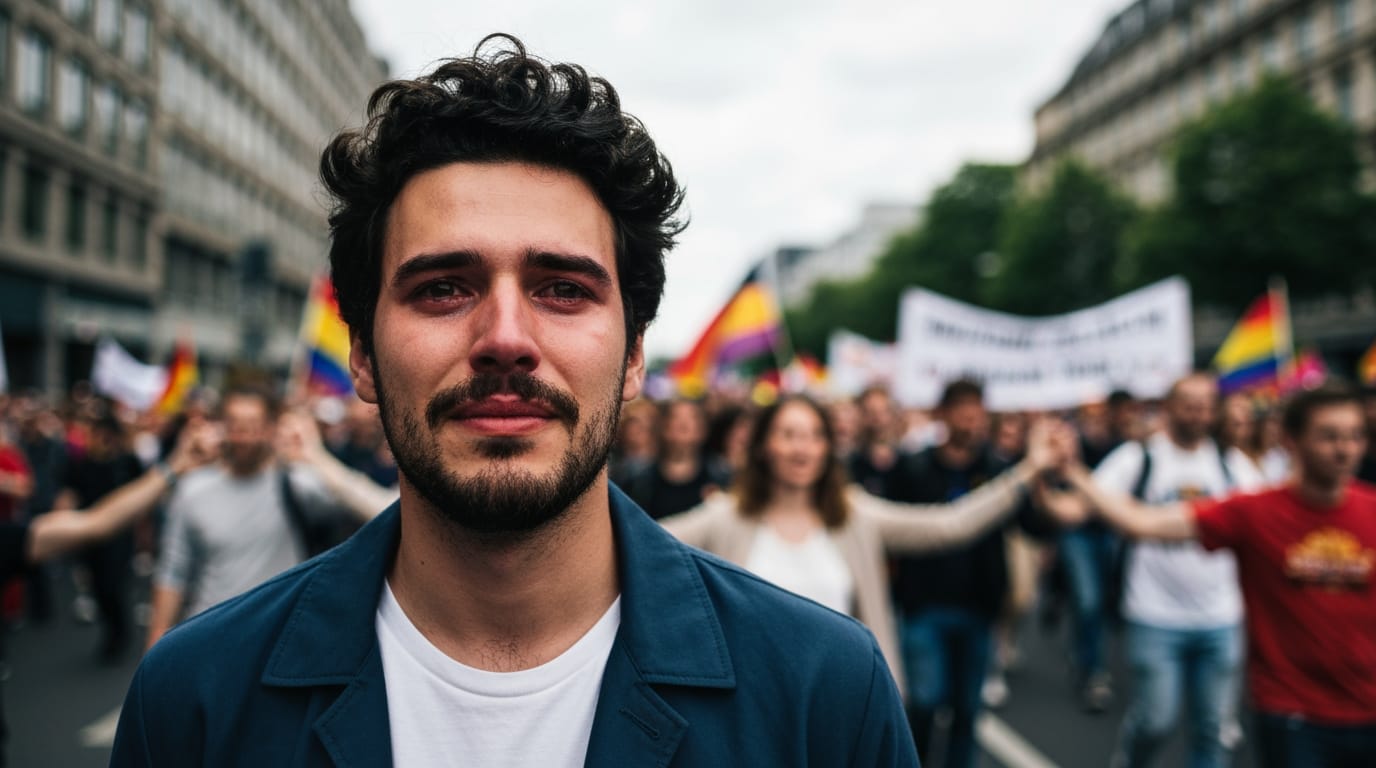
Berlin, Germany – After decades of persistent advocacy, gradual legal reforms, and shifting public sentiment, Germany achieved full marriage equality for same-sex couples on October 1, 2017. The landmark legislation, often referred to as "Ehe für Alle" (Marriage for All), marked the culmination of a protracted struggle for equal rights, transforming the legal landscape for LGBTQ+ individuals across the nation. This historic moment positioned Germany as a leader in Central Europe for LGBTQ+ rights, reflecting a profound societal evolution.
From Criminalization to Civil Unions: The Seeds of Change
The path to equality in Germany was neither swift nor straightforward, rooted in a history that included periods of severe repression. Same-sex sexual activity was historically criminalized under Paragraph 175 of the German penal code. While East Germany decriminalized such acts in 1968 and West Germany followed in 1969, it wasn't until 1994 that Paragraph 175 was fully abolished across the reunified nation, removing a long-standing legal barrier for gay men.
The early 2000s ushered in a significant, though partial, recognition of same-sex relationships. On August 1, 2001, the Act on Registered Life Partnerships (Lebenspartnerschaftsgesetz, or LPartG) came into effect. This federal law, drafted by Volker Beck of the Green Party and approved under the First Schröder Cabinet, granted same-sex couples many rights previously reserved for married heterosexual couples. These included inheritance rights, the ability to visit partners in hospitals, and certain insurance benefits. Reinhard Lüschow and Heinz Friedrich Haar in Hanover were among the first to register their partnership on that inaugural day. The Federal Constitutional Court further affirmed the constitutionality of this act on July 17, 2002. While a crucial step forward, the registered partnership was explicitly not marriage, omitting full tax equality and, crucially, joint adoption rights.
Incremental Progress and Persistent Disparities
Following the introduction of registered partnerships, the fight for comprehensive equality continued. Activists and legal experts worked tirelessly to highlight the remaining disparities between registered partnerships and marriage. Over time, many of these inequalities were challenged and gradually addressed, often through rulings by Germany's Federal Constitutional Court.
Significant progress was made in the area of parental rights. In 2005, same-sex stepchild adoption became legal, allowing individuals in a registered partnership to adopt a child their partner already had. This right was further expanded in 2013 when the Supreme Constitutional Court ruled that if one partner had adopted a child, the other could also become a legal parent through "successive adoption." Despite these gains, a key difference remained: same-sex couples in registered partnerships could not jointly adopt children from outside their existing relationship, a right heterosexual married couples enjoyed. By the end of 2016, approximately 44,000 registered partnerships had been conducted in Germany, demonstrating the demand for legal recognition among same-sex couples. This period showcased a gradual but undeniable shift in both legal recognition and societal acceptance, laying the groundwork for the more expansive change to come.
The Push for "Ehe für Alle" and a Historic Conscience Vote
The call for full marriage equality intensified in the years leading up to 2017, fueled by persistent advocacy from LGBTQ+ organizations and growing public support. Political parties such as the Greens, the Social Democratic Party (SPD), and the Left Party consistently championed the cause, introducing various bills to legalize same-sex marriage over the years. However, the ruling Christian Democratic Union/Christian Social Union (CDU/CSU) bloc, led by Chancellor Angela Merkel, remained a significant obstacle, traditionally adhering to a definition of marriage as solely between a man and a woman.
Public opinion, however, was increasingly out of sync with the conservative political stance. By January 2017, a survey conducted by the Federal Anti-Discrimination Bureau revealed that a significant majority—83% of the German population—favored legalizing same-sex marriage. This overwhelming public support, combined with pressure from potential coalition partners ahead of the 2017 federal election, created an irresistible momentum. In a pivotal moment on June 26, 2017, during a television interview, Chancellor Merkel unexpectedly signaled a shift in her long-standing opposition. She suggested that members of her party should be allowed to vote their conscience on the issue, rather than being bound by party lines.
This statement dramatically cleared the path for a parliamentary vote. Just days later, on June 30, 2017, the Bundestag convened for a historic session. After a mere 40 minutes of often emotional debate, the vote was cast. The result was a resounding victory for equality: 393 members of parliament voted in favor of legalizing same-sex marriage, with 226 against and four abstentions. Notably, Chancellor Merkel herself voted against the measure, stating that for her, marriage as defined by law remained between a man and a woman, while acknowledging the need for respect for differing opinions. The bill subsequently passed the Bundesrat (the upper house of parliament) on July 7, 2017, and was signed into law by President Frank-Walter Steinmeier on July 20, 2017.
The Dawn of Equality: Impact and Future Outlook
The "Ehe für Alle" law officially came into force on October 1, 2017, marking a new era for same-sex couples in Germany. On that momentous day, celebrations erupted across the country, with registry offices in cities like Berlin, Hamburg, and Hanover opening specially to accommodate the first same-sex weddings. Bodo Mende and Karl Kreile, long-time activists who had been together since 1979 and were among the first to enter a civil partnership in 2002, became the first same-sex couple to marry in Germany.
The new law granted same-sex couples full marital rights, including the ability to jointly adopt children, effectively eliminating the last significant legal disparity between same-sex and heterosexual unions. With this change, Germany became the 14th country in Europe and the 22nd globally to embrace nationwide marriage equality, and the first in Central Europe to do so. Registered life partnerships, which had served as an intermediate step for 16 years, ceased to be an option for new couples after this date, though existing partnerships could be converted into marriages.
Germany's journey to marriage equality is a compelling narrative of evolving social norms, persistent political advocacy, and incremental legal reforms. It underscores a fundamental shift in societal attitudes towards LGBTQ+ individuals, moving from historical criminalization to widespread acceptance and comprehensive legal protection. While marriage equality marked a significant milestone, the broader fight for LGBTQ+ rights continues, with ongoing efforts in areas such as robust discrimination protections, the prohibition of conversion therapy for minors since 2019, and the implementation of self-determination for legal gender recognition, effective November 1, 2024. The path from Paragraph 175 to "Ehe für Alle" illustrates Germany's commitment to building a more inclusive and equitable society for all its citizens.


