Germany's Development Aid Faces the Chopping Block Amidst Economic Pressures
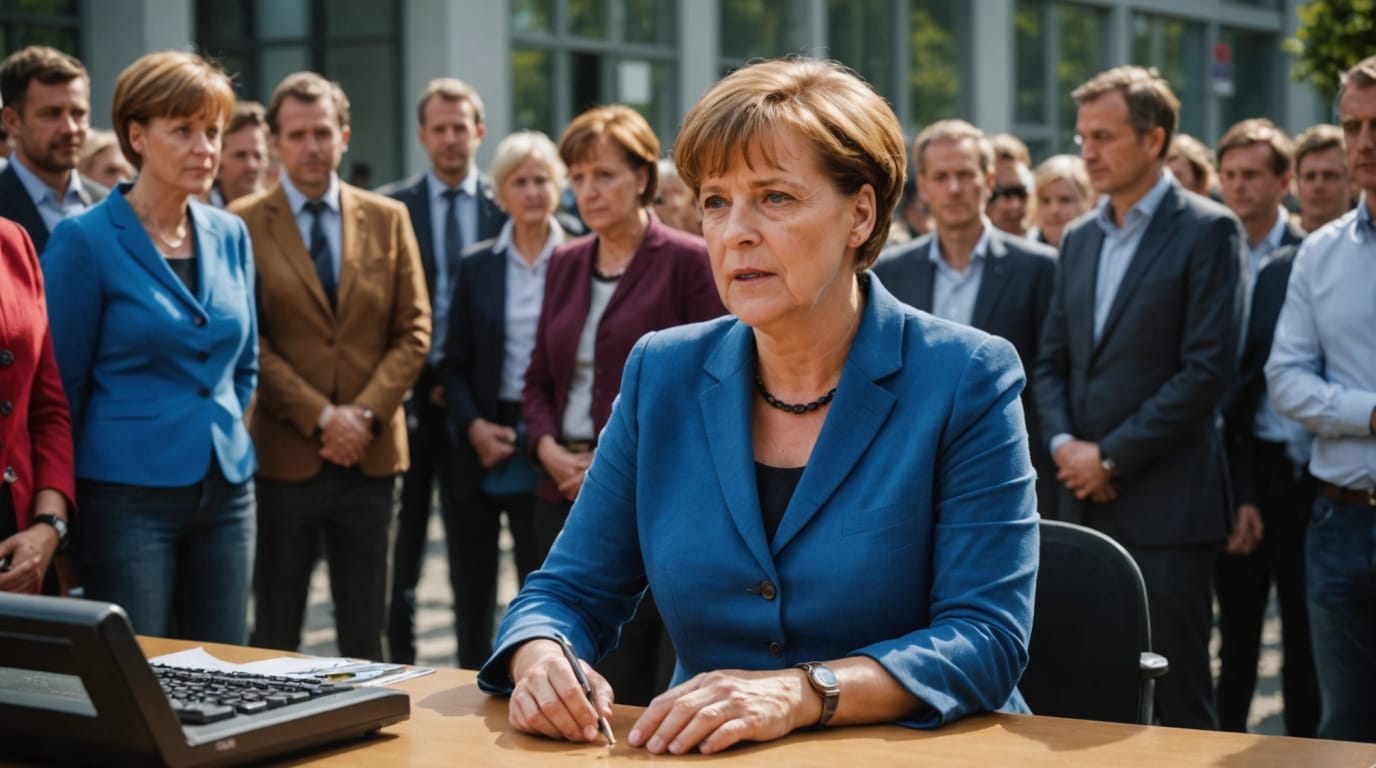
Germany, a long-standing champion of international development, is facing increasing pressure to cut its foreign aid budget as the nation grapples with slowing economic growth and competing domestic priorities. Proposed cuts have sparked widespread concern among aid organizations and international bodies, who warn of the potentially devastating consequences for vulnerable populations and global stability.
Economic Constraints and Shifting Priorities
Germany's commitment to development aid has been significant, consistently ranking as one of the world's largest donors. In 2023, Germany was the second-largest donor country among DAC members, contributing $37.9 billion to development. The country even reached a peak of 0.82% of GNI in 2022. However, recent economic headwinds, including a mild recession and a constitutional court ruling that created a €17 billion deficit, have forced the government to reassess its spending commitments. The German constitution limits net government borrowing to 0.35% of the country's annual national income, further tightening budgetary constraints.
Adding to the financial strain, Germany has agreed to large spending increases for defense, infrastructure, and climate initiatives. This has led to calls for fiscal prudence and a re-evaluation of the country's development aid contributions. The current coalition government is divided on the issue, with the Social Democratic Party (SPD) advocating for maintaining the UN target of 0.7% of Gross National Income (GNI) for Official Development Assistance (ODA), while the Christian Democratic Union (CDU) is pushing for cuts. The CDU aims to reduce ODA spending to 0.35% ODA/GNI, but SPD pushback may keep it above 0.5%.
Proposed Cuts and Their Impact
The proposed budget cuts for 2025 are substantial. The Federal Ministry for Economic Cooperation and Development (BMZ) could see its budget reduced by nearly €1 billion, from €11.22 billion in 2024 to €10.28 billion in 2025. The cuts to humanitarian aid are even more drastic, with plans to slash spending by more than 50%, from €2.23 billion in 2024 to €1.04 billion in 2025.
These cuts are expected to have a wide-ranging impact on various sectors and regions. Projects in health, education, and infrastructure may face suspension or downsizing, halting progress in critical areas. Emergency relief operations could be affected, delaying responses and depriving vulnerable populations of essential services like food, water, and healthcare. Reduced funding for climate adaptation projects will increase vulnerability to disasters and worsen conditions for climate-displaced populations.
Specific programs and initiatives are also at risk. Funding for the World Food Programme, peace and stability programs, and multilateral aid could be significantly reduced. The special initiative "Transformation of Agricultural and Food Systems" (SI AGER) is also slated for cuts, which will directly impact long-term investments in food security and rural development.
Concerns from Aid Organizations and International Bodies
The proposed cuts have triggered strong reactions from aid organizations and international bodies. Experts warn that these reductions will have profound negative effects on international development, NGOs, and vulnerable populations, especially in conflict and climate-affected regions, exacerbating suffering and instability.
The heads of three UN organizations have emphasized that robust development assistance is crucial for Germany's long-term security and prosperity, and that the planned cuts would be a costly mistake. They argue that reducing development assistance would worsen global instability and increase future costs for Germany.
Aid organizations are particularly concerned about the impact on their operations. Organizations dependent on German funding could face staff reductions, program closures, and reduced capacity to meet needs in vulnerable regions. Some fear that the cuts will disproportionately affect women and girls, particularly in the areas of health, rights, and safety.
Germany's Development Priorities and Strategies
Despite the proposed cuts, Germany remains committed to its core development priorities. These include:
- Ending poverty and hunger: Germany actively promotes sustainable development and humanitarian aid worldwide, strengthening economic and social structures in countries of the Global South.
- Promoting global health: Germany focuses on strengthening health systems in partner countries, with integrated measures to promote child and maternal health and combat HIV/AIDS.
- Addressing climate change: Germany supports developing countries in adapting to climate change, including through the "Green Climate Fund."
- Promoting gender equality: Germany is committed to achieving equal opportunities for all people, overcoming discriminatory power structures, and delivering human rights-based policies.
To achieve these goals, the BMZ implements several national strategies, including the National Development Strategy, Transitional Development Assistance, Climate Protection Action Plan, and Education Strategy in Development Cooperation.
The Debate Over Aid Effectiveness and Transparency
The debate over Germany's development aid also raises questions about the effectiveness and transparency of its programs. Some critics argue that the German development cooperation system is overly complex, with overlapping responsibilities and a lack of transparency. This makes it difficult to assess the effectiveness of aid and raises concerns about potential abuse of public funds and inefficient management.
There have been calls for greater transparency and accountability in the German development system. This includes streamlining the development bureaucracy, improving coordination among different government agencies, and increasing the involvement of local NGOs in the implementation of aid programs.
A Turning Point for German Development Aid?
The proposed cuts to Germany's development aid budget represent a potential turning point for the country's role in international development. While Germany has been a leading donor for many years, economic pressures and shifting priorities are forcing a reassessment of its commitments.
The outcome of this debate will have significant implications for vulnerable populations around the world. Reduced funding could undermine progress in key areas such as poverty reduction, health, education, and climate change adaptation. It could also weaken Germany's influence and reputation as a reliable partner in international development.
As Germany navigates these challenges, it will be crucial to strike a balance between domestic needs and its commitment to global development. This will require careful consideration of priorities, a focus on aid effectiveness, and a commitment to transparency and accountability. The decisions made in the coming months will shape Germany's role in international development for years to come.


