Germany's Dual Threat: How Islamism and Right-Wing Extremism Fuel Each Other's Rise
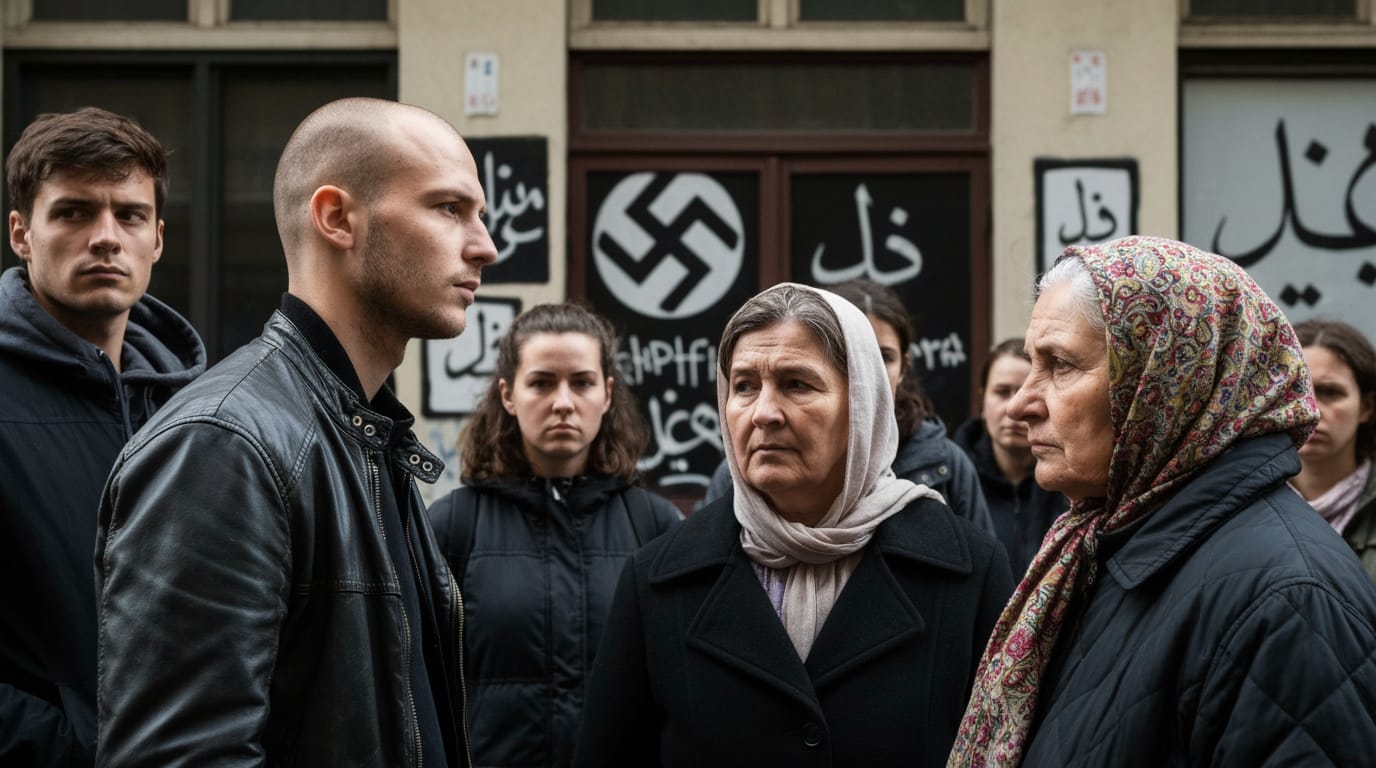
Germany faces an increasingly complex and intertwined security challenge as both Islamist and right-wing extremism continue to radicalize and reinforce each other within the nation's borders. This dynamic interplay creates a spiral of polarization, exploiting societal anxieties and posing a profound threat to Germany's democratic order and social cohesion. While distinct in their ideologies, these extremist movements often leverage each other's actions and narratives to justify their own existence, recruit followers, and escalate their rhetoric, presenting a formidable obstacle for security services and policymakers.
The threat posed by extremist ideologies has become a persistent feature of Germany's security landscape in the 21st century. Both Islamist and far-right groups have demonstrated a capacity for violence, with several attacks and plots linked to both sides. While far-right groups have been involved in a higher number of incidents across Europe, Islamist attacks tend to be significantly more lethal. For instance, recent years have seen major Islamist attacks, including the 2016 Berlin Christmas market attack, the 2024 Solingen stabbing, and the July 2026 Berlin Pride attack, which resulted in fatalities and numerous injuries. These incidents underscore the enduring security risk associated with jihadist networks and lone actors inspired by extremist propaganda. Concurrently, Germany has long contended with a robust far-right scene, whose activities, historically, were sometimes not immediately recognized as terrorism by security services. The growth in support for far-right political parties, such as the Alternative for Germany (AfD), further indicates the mainstreaming of some of their narratives.
A critical aspect of the escalating extremist threat is the documented "symbiotic relationship" between anti-Muslim extremism, often manifesting as far-right ideology, and radical Islamism. Research indicates that these two forms of extremism converge at various levels, mutually amplifying one another, particularly in online spaces. Far-right actors frequently exploit acts of Islamist violence, such as the Berlin Christmas market attack, to bolster their own anti-immigrant and anti-Muslim agendas, presenting themselves as the radical antithesis to Islamic terror. Following the July 2026 Berlin Pride attack, for example, the AfD was quick to politicize the incident, attributing it to "catastrophic migration policy," thereby capitalizing on public fear and anxiety. This exploitation allows far-right groups to gain political traction and further their agenda, even benefiting at the polls from attacks carried out by extremists, regardless of origin.
Conversely, the rise of anti-Muslim sentiment and racism fueled by right-wing extremism can contribute to the radicalization of individuals within Muslim communities. When individuals feel targeted or discriminated against, extremist narratives that promise identity, belonging, or a defense against perceived oppression can become more appealing. Islamist propaganda frequently frames Western societies, including Germany, as hostile to Muslims, using instances of anti-Muslim sentiment to justify their extremist ideology and call for a rejection of democratic values. This creates a dangerous cycle where one form of extremism's actions are used by the other to recruit and justify further radicalization and violence, fostering a climate of mutual distrust and division within society. Both ideologies, at their core, reject fundamental democratic principles like human dignity, the rule of law, and freedom of expression, seeking to dismantle or replace the existing democratic order.
German authorities have acknowledged the severe challenges posed by this dual threat. The Federal Office for the Protection of the Constitution (BfV) monitors both Islamist and right-wing extremist groups, identifying thousands of individuals associated with these movements. In 2025, for instance, more than 9,000 Islamists were estimated to reside in Germany, with nearly 2,000 considered potentially violent. Efforts to counter violent extremism (P/CVE) have historically faced criticism for a disproportionate focus on Islamist extremism, with some scholars identifying a "blind spot" regarding the rising threat of right-wing extremism. However, high-profile attacks by far-right extremists in other countries, and the growing support for far-right parties, have prompted an expansion of measures targeting right-wing extremism in Germany. Still, experts advocate for a more balanced approach, urging recognition of Islamism as an equally grave problem, requiring conservatives and progressives to find common ground in addressing this multifaceted challenge.
The repercussions of this mutual radicalization extend beyond direct violence. The erosion of public trust in institutions, exacerbated by ongoing debates on migration, internal security, and law enforcement's capabilities, plays directly into the hands of extremist narratives. Reports of thwarted terror plots and the perceived lack of effective integration policies further unsettle the public, feeding into anxieties that extremist groups readily exploit. The political discourse itself is affected, with far-right parties adept at using such anxieties to shift the Overton window further to the right. This environment complicates efforts to foster social cohesion and protect democratic values, as the public is increasingly confronted with polarizing narratives from both ends of the extremist spectrum.
In conclusion, the intertwining nature of Islamism and right-wing extremism represents a profound and evolving threat to Germany. These two seemingly opposing forces often operate in a dangerous synergy, where the actions and rhetoric of one provide justification and recruitment material for the other. Combating this complex challenge requires a comprehensive and nuanced approach from German security agencies and policymakers, ensuring that neither threat is underestimated or overlooked. Addressing societal vulnerabilities, fostering resilience against extremist propaganda, and promoting inclusive democratic values are crucial steps in disrupting this cycle of mutual radicalization and safeguarding the future of German society.


