Germany's Easter Peace Marches: A Resurgent Call for Diplomacy Amidst Global Conflicts
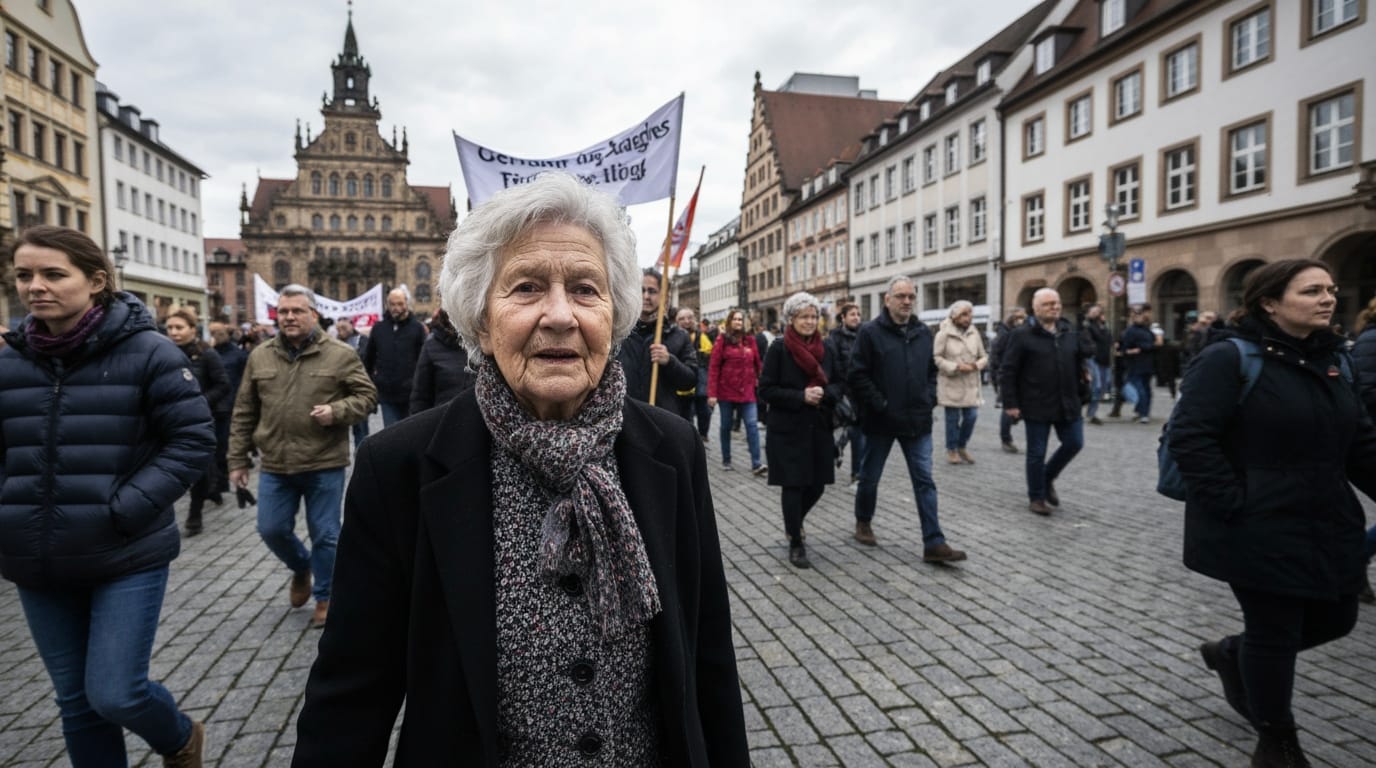
Across Germany, the traditional Easter peace marches have once again drawn thousands to the streets, transforming the springtime holiday into a potent platform for protest against ongoing global conflicts. From Berlin to Stuttgart, demonstrators utilized the long Easter weekend to articulate a renewed and urgent demand for peace, disarmament, and diplomatic solutions, shadowed by the wars in Ukraine and Gaza that continue to shape international discourse and national policy. The resurgence in participation underscores a deep-seated desire among segments of the German populace to revert to a more pacifist foreign policy, even as the nation grapples with its evolving role on the world stage.
A Deep-Rooted Tradition Revived
The Easter marches, known as Ostermärsche, are a time-honored tradition in Germany, infusing the religious holiday with a distinct political edge. Their origins trace back to the 1960s, inspired by the pan-European peace movement advocating for nuclear disarmament and protesting the arms race. The very first Easter march in Germany took place in 1960, with around 20 participants marching from Braunschweig to Bergen-Hohne to protest the stationing of nuclear-capable missiles. Over the decades, these marches have served as a barometer of public sentiment, often swelling in times of international political crisis. A significant revival occurred in the early 1980s in response to NATO's plans to deploy cruise missiles in Germany during the Cold War. The fall of the Berlin Wall and the end of the Cold War led to a period where the peace movement faced an "identity crisis," but the core concept of peace remained firmly rooted in German society. This year's renewed interest signals a powerful reawakening of this tradition, driven by contemporary geopolitical realities.
Echoes of Distant Wars
The prevailing conflicts in Ukraine and Gaza have significantly galvanized this year's Easter peace marches. Protesters specifically demonstrated against Russia's ongoing war in Ukraine and Israel's military offensive in Gaza. Organizers and participants voiced strong opposition to arms deliveries, particularly to Ukraine and Israel, arguing that such actions only prolong the conflicts. The Peace Cooperative Network, which coordinates many of these events, emphasized the need for Germany to "become capable of peace rather than war," advocating for disarmament agreements and clever diplomacy over increased military spending. This sentiment reflects a long-standing German aversion to military engagement, born from the collective consciousness shaped by the two World Wars. However, this traditional pacifist stance has faced significant challenges and internal debates since Russia's full-scale invasion of Ukraine in February 2022.
Diverse Voices, Complex Messages
Preliminary reports from organizers indicate that over 10,000 people participated in approximately 120 events across Germany during the Easter weekend. Major demonstrations were recorded in cities such as Berlin, where around 3,500 people gathered, Stuttgart with about 2,000 participants, and Bremen with roughly 1,000. The marches featured a broad spectrum of participants, from traditional peace activists to youth groups and religious organizations, all united by a general call for peace but sometimes diverging on specific approaches. Slogans and banners reflected a range of perspectives, including calls for "Friendship with Russia - Viva Palestine," demands to "Stop the Genocide" in Gaza, and pleas for "Peace, heating, bread instead of weapons, war and death." Some banners also explicitly labeled NATO as "the aggressor" and advocated for "peace with Russia." The discussions at these rallies also touched upon opposition to global rearmament and concerns over the potential reintroduction of compulsory military service in Germany, which has spurred student-led protests. The presence of such varied, and at times controversial, viewpoints highlights the complex and often polarized nature of the peace debate within Germany today.
Germany's Shifting Geopolitical Stance
The backdrop for these peace marches is Germany's profound foreign policy shift, termed the "Zeitenwende" (turning point), initiated by Chancellor Olaf Scholz following Russia's invasion of Ukraine. This policy pivot has seen Germany abandon decades of post-World War II pacifism, significantly increase defense spending, and commit to supplying weapons to Ukraine. The German government's strong support for Ukraine, alongside its unwavering commitment to Israel's security, has placed it at odds with some of the core demands of the Easter peace movement.
Furthermore, Germany's stance on the Israel-Gaza conflict has drawn international attention and domestic criticism. The government has unequivocally sided with Israel, a position that has been accompanied by a perceived crackdown on pro-Palestinian demonstrations and voices within Germany. Activists have reported heavy restrictions on protests, forceful dispersal of gatherings, and censorship, contributing to an image of Germany struggling to differentiate between legitimate protest and the threat of antisemitism. This situation creates a challenging environment for those seeking to express solidarity with Palestinians, leading to accusations of curtailing free speech and undermining Germany's image as a bastion of human and civil rights.
Conclusion
The Easter peace marches of this year serve as a poignant reminder of Germany's enduring commitment to peace, even as the nation navigates a tumultuous global landscape. They reflect a society wrestling with its historical legacy of pacifism against the urgent demands of contemporary conflicts. While the German government pursues a foreign policy marked by increased military engagement and defense spending, a significant portion of its citizens continues to champion disarmament, diplomacy, and an end to all wars. These annual demonstrations, therefore, remain a critical expression of public conscience, challenging official narratives and advocating for alternative paths to global stability in a world seemingly consumed by conflict. Their continued vibrancy underscores a fundamental tension within Germany's national identity, between the aspiration for a world without war and the perceived necessities of a complex and dangerous present.


