African Continent Grapples with Severe Fuel Crisis Amidst Escalating Middle East Conflict
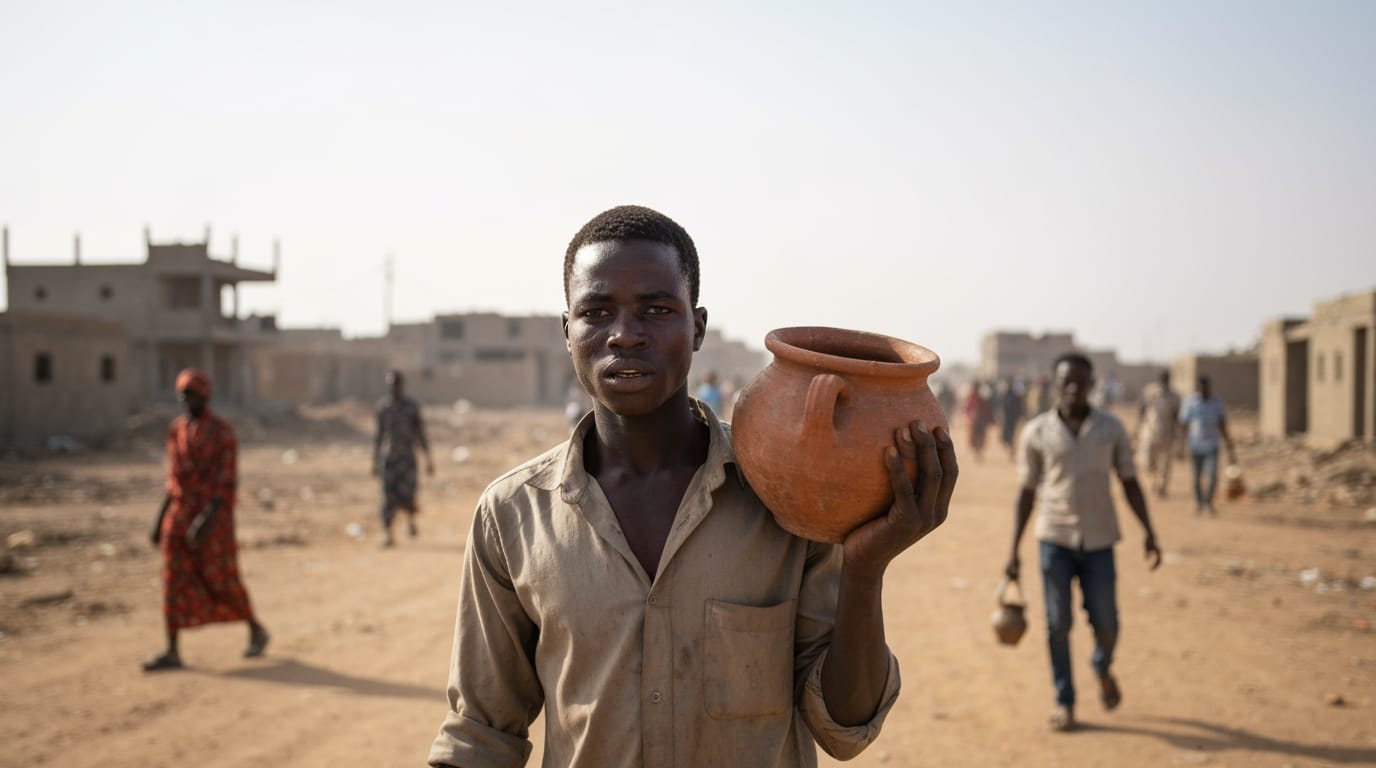
The protracted conflict in the Middle East has plunged numerous African nations into a deepening fuel crisis, triggering widespread economic instability and exacerbating humanitarian concerns across the continent. With critical shipping lanes disrupted and global oil prices soaring, countries heavily reliant on imported petroleum products are facing unprecedented shortages, escalating costs, and a precarious future. The situation underscores Africa's inherent vulnerabilities to external shocks and the urgent need for diversified energy strategies.
The Global Shockwave Reaches African Shores
The current energy crunch in Africa is a direct consequence of the escalating conflict in the Middle East, particularly following the US-Israeli actions against Iran that commenced on February 28, 2026. This has led to Iran's closure of the Strait of Hormuz, a critical maritime chokepoint through which approximately 20% of the world's oil supplies and liquefied natural gas (LNG) normally transit. The immediate disruption to tanker traffic in this vital Persian Gulf waterway has severely curtailed global oil shipments, pushing Brent Crude prices beyond $100 per barrel.
Beyond the Strait's closure, widespread damage to oil and gas infrastructure in the region further compounds the supply crunch, contributing to an estimated 8% loss of pre-crisis global oil supply. Moreover, increased geopolitical risks in the Red Sea have forced many international cargo ships to reroute their journeys around Africa via the Cape of Good Hope, adding thousands of nautical miles and 10 to 14 days to transit times. These extended routes drastically increase freight costs and delays, affecting the timely delivery of vital fuel supplies to African ports. This combination of reduced supply, higher prices, and logistical bottlenecks has created a perfect storm for African economies.
Africa's Acute Vulnerability Exposed
African nations find themselves particularly exposed to this global energy turmoil due to a confluence of structural vulnerabilities. A significant majority of countries on the continent are net importers of refined petroleum products, with some regions, particularly East and Southern Africa, sourcing up to 75% of their fuel imports from the Middle East. This heavy dependence stems from decades of underinvestment in domestic refining capacity. While Africa accounts for about 8% of the world's crude oil production, it contributes only 2% to the global supply of refined oil. Countries like Angola, despite being oil exporters, still face challenges as they lack sufficient domestic refining capabilities and are forced to re-import refined products at higher prices.
Adding to this precarious position are pre-existing economic fragilities. Many African countries grapple with high levels of external debt and limited foreign exchange reserves. The surging cost of imported fuel, coupled with a sell-off of African currencies as investors seek safer assets, further depletes these reserves and weakens national currencies. This makes all imports, not just fuel, significantly more expensive, intensifying inflationary pressures across the board. Nations identified as most vulnerable, combining high import dependence with low foreign currency reserves, include Senegal, Benin, Eritrea, Burkina Faso, and Zambia.
Ripple Effects on Daily Life and Economies
The repercussions of the fuel crisis are far-reaching, affecting every facet of life and economy across the continent. Economically, soaring fuel prices translate directly into higher operating costs for businesses and increased living expenses for households. Countries like Somalia have seen petrol prices surge by 150% in March alone, while Nigeria experienced a nearly 40% increase, and Malawi witnessed a 34-35% hike. These price surges contribute to rampant inflation, impacting sectors from transportation and manufacturing to agriculture. Small businesses, the backbone of many local economies, are struggling to absorb these increased costs, jeopardizing their survival.
The humanitarian consequences are equally severe. Fuel "droughts" are becoming common at service stations, leading to long queues and widespread rationing of both fuel and electricity in cities like Juba, South Sudan, and across Mauritius. The lack of reliable power generation, often dependent on diesel, affects essential services such as healthcare and education. Hospitals struggle to power critical equipment, and schools face disruptions. The International Rescue Committee reports that medical supplies intended for Sudan, capable of supporting 20,000 people, are currently stranded due to shipping disruptions.
Food security is also gravely threatened. Diesel is indispensable for agricultural production, powering machinery and transportation. The rise in oil and gas prices also drives up the cost of synthetic fertilizers, which are heavily reliant on fossil fuels for production. Experts warn of a "triple price shock" for consumers as the costs of fuel, fertilizer, and food simultaneously escalate, amplifying the risk of hunger, particularly in vulnerable communities. The World Food Programme estimates that an additional 45 million people could face acute food insecurity if the conflict persists.
Scrambling for Solutions Amidst Limited Options
African governments are implementing various emergency measures to mitigate the crisis, though immediate, widespread solutions remain elusive. Several nations have opted to temporarily reduce fuel levies or taxes to cushion consumers from price hikes, including South Africa and Namibia. Ethiopia has introduced fuel-saving directives, encouraging remote work and mandatory leave for non-essential staff, while Egypt has raised petrol prices and cut government vehicle fuel allowances. Zimbabwe is increasing the ethanol content in its petrol, and South Sudan and Mauritius have imposed electricity rationing.
However, these short-term fixes address symptoms rather than the root causes. The structural weaknesses, such as heavy import reliance and insufficient refining capacity, leave little room for maneuver. Richer nations may outbid developing countries for scarce fuel supplies, intensifying the challenge for Africa.
Longer-term strategies involve strengthening economic resilience through initiatives like the African Continental Free Trade Area, and crucially, expanding local refining capacity. The operationalization of Nigeria's Dangote refinery offers a glimmer of hope, potentially providing an alternative source of refined petroleum for West African nations. Investing in renewable energy sources, such as wind and solar, is also highlighted as a pathway to reduce dependence on volatile global fossil fuel markets. Ethiopia's promotion of electric vehicles provides an example, though financing remains a significant barrier for widespread adoption across the continent. The International Energy Agency (IEA) has also proposed demand-side measures, including promoting public transport, car sharing, and improving freight efficiency, to reduce overall fuel consumption.
Conclusion
The Middle East conflict has cast a long shadow over Africa, exposing and exacerbating critical vulnerabilities within the continent's energy and economic systems. The fuel crisis, characterized by soaring prices, supply disruptions, and rationing, is translating into tangible hardship for millions, threatening food security, hindering humanitarian efforts, and stalling economic growth. While African governments implement stop-gap measures, the crisis underscores the urgent imperative for robust, long-term strategies focused on diversified energy sources, expanded domestic refining capabilities, and enhanced regional cooperation. Without decisive action and international support, the continent risks a prolonged period of economic instability and humanitarian distress, fundamentally altering the trajectory of development for years to come.


