Europe Confronts Deepening Energy Crisis as Iran War Roils Global Markets
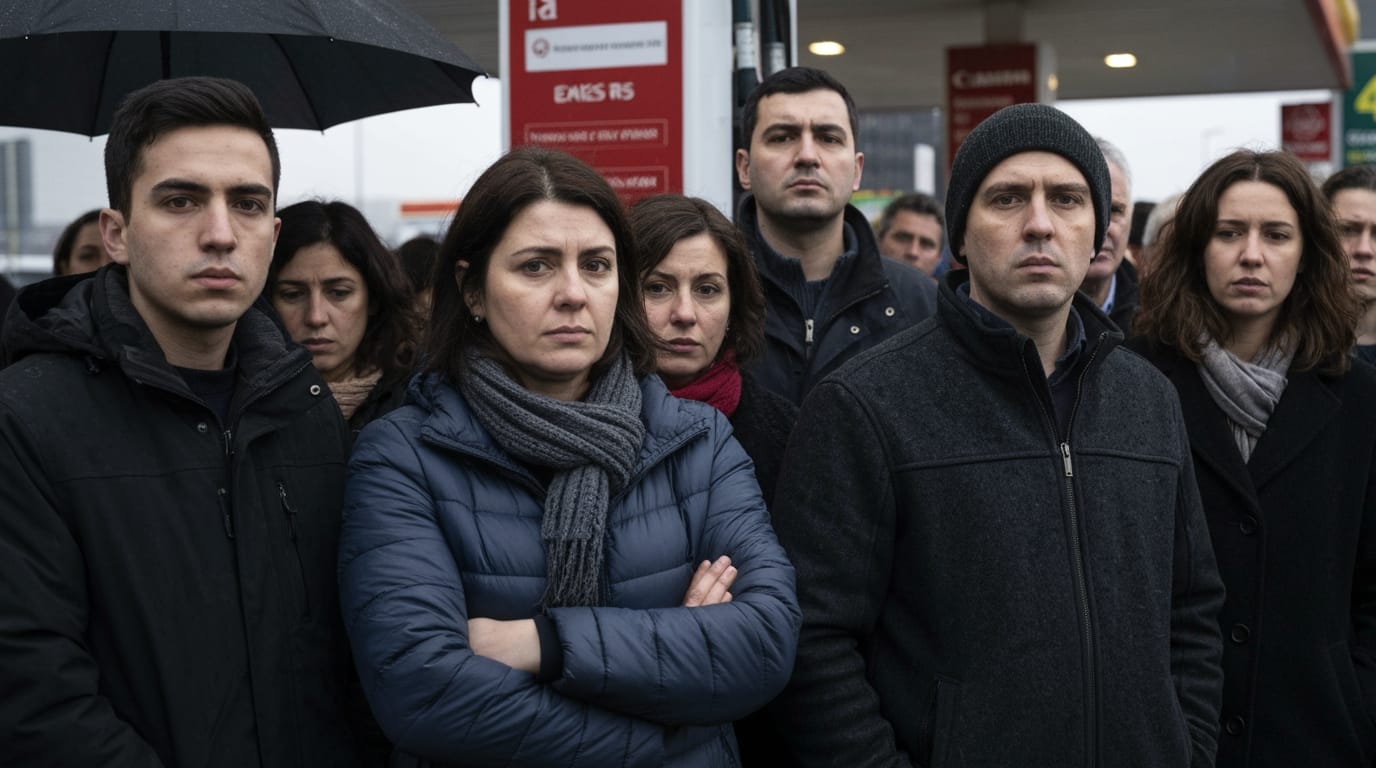
Brussels stands at the precipice of an unprecedented energy crisis, grappling with the profound repercussions of the active "Iran war" that erupted in late February 2026. The conflict, marked by an Iranian blockade of the strategically vital Strait of Hormuz, has triggered the most significant disruption in the history of the global oil market, sending shockwaves through Europe's already vulnerable energy landscape. As oil and gas prices skyrocket and supply chains face immense pressure, the continent is scrambling to enact emergency measures and accelerate its transition to a more secure energy future, facing the daunting prospect of prolonged economic strain and potential energy rationing.
The Geopolitical Tremor: Strait of Hormuz Blockade and Global Supply Shock
The current crisis escalated dramatically with the commencement of the "2026 Iran war" around February 28, 2026. Joint military actions by the United States and Israel against Iran, including the reported killing of Iran's supreme leader, were met with swift retaliation. Iran launched missile and drone attacks and, critically, moved to blockade the Strait of Hormuz. This narrow waterway, a crucial choke point for global energy trade, typically facilitates the passage of approximately 20% of the world's daily oil supply and substantial volumes of liquefied natural gas (LNG).
The Iranian action has effectively halted tanker movements through the Strait of Hormuz, leading to what the International Energy Agency (IEA) has termed the "largest ever supply disruption in the global oil market" and the "greatest global energy security challenge in history." Brent crude oil prices surged past $100 per barrel by March 8, 2026, peaking at $126, and were trading at $114 per barrel by March 19. In Europe, gas prices have climbed by an estimated 70%, and oil prices by 60% since the conflict began, adding an additional €14 billion to the bloc's fossil fuel import bill within the first 30 days. The situation is further compounded by Iranian missile strikes on Qatar's Ras Laffan LNG complex, which have shut down nearly 20% of global LNG supply, with some facilities expected to remain offline for years. This extensive disruption has sent panic through global markets, affecting the distribution of petroleum, diesel, LNG, and critical materials like urea for fertilizer, much of which originates from the Middle East or transits the Strait of Hormuz.
Europe's Persistent Vulnerability and the Quest for Resilience
The current crisis represents the second major energy shock to hit Europe within four years, following the supply disruptions stemming from the Russia-Ukraine conflict. Despite concerted efforts to diversify energy sources in the wake of previous geopolitical instability, Europe's energy import dependency remained at 57% in 2024, meaning nearly 60% of its energy needs were met by net imports. While the continent has reduced its direct reliance on Middle Eastern crude oil and natural gas supplies, the global nature of the current disruption means no region is immune to soaring international prices and tightening markets.
Europe's robust LNG import infrastructure, significantly expanded in recent years, was initially seen as a bulwark against such shocks. Forecasts for 2026 predicted record LNG imports for Europe, reaching 185 billion cubic meters, largely sourced from the United States, as the continent sought to further pivot away from Russian energy supplies. This growing reliance on LNG, however, now faces acute challenges due to the attacks on key production facilities and the blockade of the Strait of Hormuz, which impacts global LNG trade routes. The current market volatility underscores Europe's structural vulnerability to external shocks, reinforcing the urgency of achieving greater energy independence.
Emergency Responses and Strategic Shifts
In response to the escalating crisis, European nations and the European Union are implementing a range of emergency measures and accelerating long-term strategic shifts. A coordinated release of strategic oil reserves is underway, with IEA member countries, including many in Europe, agreeing to release 400 million barrels of oil. Individual nations like Austria, Portugal, Germany, France, the UK, Latvia, Estonia, Lithuania, and Croatia have already committed to releasing significant portions of their emergency oil stocks to stabilize global markets and mitigate price surges.
Beyond immediate supply interventions, the European Commission has urged member states to prepare for a "prolonged disruption" to energy markets. EU Energy Commissioner Dan Jørgensen has called for stringent energy conservation measures, particularly within the transport sector. Recommendations include reducing speed limits on highways by 10 km/h, expanding car-sharing initiatives, and promoting public transportation to decrease demand for refined petroleum products like diesel and jet fuel. Member states are also being encouraged to defer non-emergency refinery maintenance to maximize output of these critical fuels.
The Green Transition: A Race Against Time
The crisis has intensified Europe's commitment to its green transition, seen as a long-term solution to reduce fossil fuel dependency. In 2025, for the first time, wind and solar power collectively generated more electricity than fossil fuels in the EU, accounting for nearly half of the bloc's total power generation. The long-term goal is to double the expansion of renewable energy, with solar PV and wind power continuing to be central to supply security.
However, this rapid expansion faces its own challenges. Grid capacity constraints are emerging as a significant bottleneck, with power generation growing faster than the necessary transmission infrastructure. This could lead to a considerable amount of renewable energy going unused. Addressing these structural issues through upgraded grids, improved interconnections, and enhanced flexibility resources is crucial for Europe to fully harness its renewable potential and secure its energy future. Initiatives like the rapid deployment of Battery Energy Storage Systems (BESS) are gaining traction to improve grid flexibility and integrate more intermittent renewable sources. Germany's strategic investment in heat pumps has also demonstrated significant potential in reducing LNG import dependency, further highlighting the role of electrification in enhancing energy security.
Economic Fallout and Social Implications
The cascading effects of the energy crisis pose severe economic and social threats across Europe. The surge in energy prices risks exacerbating inflation, increasing the likelihood of stagflation and recession. Industries heavily reliant on energy, such as petrochemicals, fertilizers, and transportation, face escalating costs, potentially impacting their competitiveness and leading to higher consumer prices for a wide range of goods and services. Farmers, in particular, could face significant challenges due to rising fertilizer costs, directly affecting food security.
Households are bracing for even higher utility bills, threatening living standards and potentially fueling social unrest. The European Commission acknowledges that the situation threatens to impose "further costs on our industries and our households." Concerns are mounting about the ability to replenish gas storage levels adequately for the upcoming winter, with risk models suggesting that a failure to do so by October 2026 could necessitate continent-wide energy rationing, a scenario not witnessed since World War II. Such a development would fundamentally reshape European industrial competitiveness, consumer behavior, and political stability, demanding coordinated action to protect citizens and businesses.
Conclusion
The "Iran war" and its ripple effects have plunged Europe into a profound energy crisis, testing the continent's resilience and its ambitious green transition plans. The blockade of the Strait of Hormuz has highlighted the persistent fragility of global energy supply chains and Europe's deep exposure to geopolitical tensions. While immediate measures involve tapping into strategic reserves and promoting energy conservation, the long-term imperative remains clear: to accelerate diversification away from fossil fuels and invest massively in renewable energy infrastructure and grid modernization. The current challenges underscore that Europe's journey towards energy independence is not merely an environmental goal but an urgent matter of economic stability and national security. The coming months will be critical as Europe navigates this complex crisis, striving to mitigate immediate impacts while forging a more secure and sustainable energy future.


