Germany's Far-Right AfD Under Scrutiny Over Accusations of Insulting Women
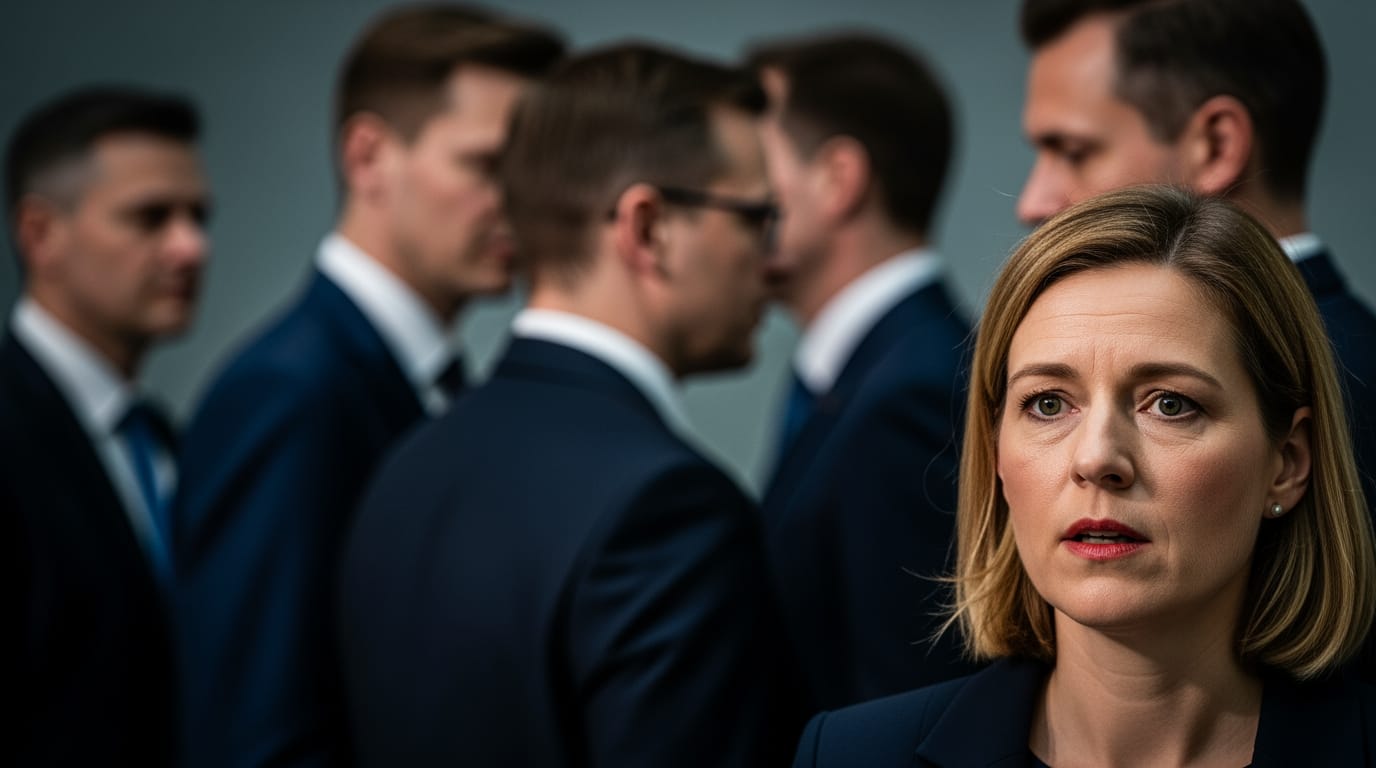
Germany's political landscape is grappling with persistent accusations against lawmakers from the far-right Alternative for Germany (AfD) party, alleging a pattern of rhetoric and policy positions that insult and devalue women. While specific instances of direct verbal insults by individual lawmakers are less frequently highlighted, a deeper examination reveals a systemic anti-feminist ideology, the instrumentalization of women's issues for xenophobic agendas, and a significant role in the proliferation of online misogyny. This multifaceted approach to gender, critics argue, undermines decades of progress in women's rights and fosters a regressive vision for German society, prompting widespread condemnation from other political factions and women's rights advocates.
The AfD's Vision: Redefining Women's Roles
At the core of the accusations lies the AfD's explicit promotion of traditional gender roles, starkly contrasting with contemporary understandings of gender equality. The party's platform consistently advocates for women primarily as mothers and homemakers, asserting that this aligns with "natural" family dynamics. This perspective is evident in their repeated criticism of the Gender Equality Strategy of the Federal Ministry for Family Affairs, Senior Citizens, Women and Youth, which they contend undermines traditional family structures. By championing a nostalgic view of gender roles, the AfD effectively seeks to relegate women to the private sphere, thereby limiting their participation in the workforce and public life.
The AfD's anti-feminist stance is not merely a rejection of modern gender policies; it is foundational to their broader ideology. They frequently declare feminism to be a "cancer" and deny the existence of gender-based discrimination in Germany, despite the country having one of Europe's largest gender pay gaps. This denial, coupled with their opposition to gender mainstreaming and equality initiatives, positions the party as a significant force aiming to regress feminist advancements by several decades. Their focus on increasing the birthrate among "ethnically German citizens" further intertwines their gender politics with pronatalist and nationalistic agendas, often framing women's bodies and reproductive choices as tools for national demographic policy.
Femonationalism: A Disguised Form of Devaluation
A particularly contentious aspect of the AfD's rhetoric is its strategic deployment of "femonationalism," where the party co-opts feminist language to advance xenophobic and anti-immigrant policies. While presenting themselves as protectors of women's safety and rights, especially against perceived threats from immigrant men, their underlying policies often contradict genuine support for women's autonomy. For instance, the AfD has used narratives of sexualized violence and the "violated safety of girls and women" to rationalize hatred and exclusion against migrants, as seen in campaigns like "Kandel ist überall". This strategy allows the party to tap into public fears while diverting attention from their own regressive positions on women's rights.
This instrumentalization creates a significant paradox. The AfD critiques what they label as a failure of "liberal elites" to protect women, particularly in the context of migration, yet simultaneously champions policies that would curtail women's reproductive rights and limit their socio-economic opportunities. Critics argue that this approach is deeply insulting, as it treats women's issues not as matters of fundamental human rights but as convenient rhetorical tools to demonize minority groups and solidify a nationalist base. By claiming sovereignty over the interpretation of gender and gender justice, the AfD attempts to control definitions of gender, family, marriage, and sexuality, all while maintaining anti-feminist positions.
The Digital Battleground: Online Misogyny and Harassment
Beyond policy and rhetoric, AfD lawmakers and their supporters are frequently implicated in the broader landscape of gendered disinformation and online harassment targeting women in German politics. The digital sphere has become a significant battleground where far-right actors, including those aligned with the AfD, engage in coordinated campaigns to intimidate and silence female public figures. These attacks often build on sexist narratives, utilizing fabricated content, slurs, and threats to discredit women and undermine democratic processes.
For example, during recent federal elections, German non-profit organizations reported numerous illegal comments from public Facebook pages and groups associated with the AfD, often targeting female candidates with hate speech and threats. This digital misogyny has tangible consequences, with many German women reporting increased caution about expressing their opinions online due to fear of abuse, and a significant portion experiencing negative impacts on their mental health. The AfD's indirect contribution to this hostile online environment, through the spread of divisive and often anti-women rhetoric, is seen by many as another form of insulting and suppressing women's voices in the public sphere.
A curious counterpoint exists in the form of AfD leader Alice Weidel, who has frequently used legal channels to pursue individuals who have insulted her online, notably for the term "Nazi bitch". This has led to accusations of double standards, as the AfD officially criticizes laws against insulting politicians as a "special right" while simultaneously leveraging them extensively when its own members, particularly Weidel, are targeted. This dynamic highlights the complex and often hypocritical nature of discourse surrounding insults and free speech within the party.
Political Fallout and Societal Implications
The AfD's stance and alleged actions have not gone unchallenged. Other political parties, women's rights organizations, and civil society groups consistently denounce what they view as the party's misogynistic and discriminatory positions. These accusations contribute to a broader debate in Germany about the boundaries of political discourse, the protection of democratic values, and the safeguarding of women's rights against regressive forces. The classification of the AfD as "extremist" by Germany's domestic intelligence agency, citing its ethnically defined concept of the German people and its "xenophobic, anti-minority, anti-Islamic, and anti-Muslim statements," further underscores concerns about the party's compatibility with foundational democratic principles, which inherently include equality and respect for all individuals.
The continued presence and growing influence of the AfD in German politics mean that the struggle for gender equality faces renewed challenges. Their rhetoric not only risks normalizing outdated views on women but also actively works to dismantle institutional protections and progress made over decades. This creates an environment where women's autonomy, professional aspirations, and even their physical safety, especially for women from minority backgrounds, are subject to political debate and rhetorical attacks.
Conclusion
The accusations against AfD lawmakers for insulting women stem from a complex interplay of ideological positions, political strategies, and digital actions. While direct, individual verbal insults may not always dominate headlines, the party's consistent promotion of regressive gender roles, its calculated use of women's issues to fuel xenophobia, and its association with the spread of online misogyny collectively form a pattern of devaluing and undermining women. This systemic approach is perceived by many as a profound insult to women's intelligence, capabilities, and fundamental rights. As the AfD continues to gain traction, the ongoing scrutiny of its gender politics remains a critical element in the broader defense of democratic values and gender equality in Germany.


