Germany's Jobless Ranks Swell Past 3 Million as Industrial Engine Sputters
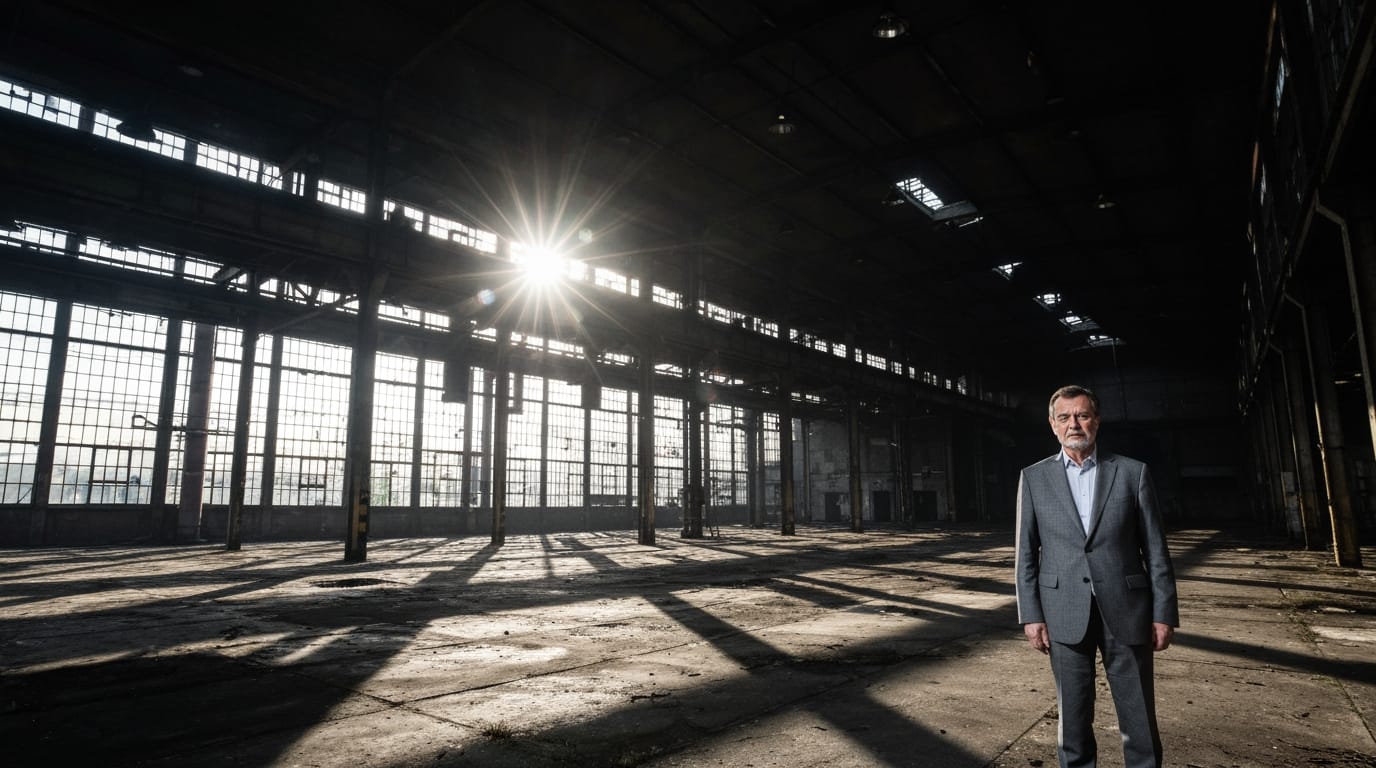
Berlin, Germany – Germany, long celebrated as Europe's economic powerhouse and a bastion of industrial strength, is grappling with a deepening labor market crisis as unemployment figures surpassed the critical 3 million mark in July 2026. This grim milestone, the first in 15 years, underscores a persistent industrial slump that is fundamentally reshaping the nation's economic landscape and challenging its once-robust job market. The rising tide of joblessness signals an end to what was often termed Germany's "golden decade" of employment growth and highlights significant structural vulnerabilities within its core industries.
The latest data from July 2026 reveal that the unadjusted number of unemployed individuals has exceeded 3 million, while the seasonally adjusted figure reached 2.99 million, marking an increase of 6,000 from the previous month. This translates to a seasonally adjusted jobless rate of 6.4%, a noticeable uptick from June's 6.3%. These statistics paint a stark picture, showing Germany's job market moving in an unfavorable direction, contrary to the overall trend in the eurozone where unemployment has generally been falling. For 42 of the past 48 months, Germany has seen its unemployment figures climb, signaling a sustained period of economic malaise that economists warn is far from over.
The Cracks in the Industrial Foundation
At the heart of Germany's escalating unemployment crisis lies a severe and prolonged industrial slump. The Federation of German Industries (BDI) has officially declared the situation critical, with the sector shedding approximately 15,000 jobs every month. This relentless job bleeding is a direct consequence of a confluence of adverse factors that have eroded the competitive advantages Germany once enjoyed.
High energy costs stand out as a primary culprit. Following the disruption of Russian natural gas supplies, German manufacturers have been burdened with significantly higher electricity and fuel prices compared to international competitors. Energy-intensive industries, including chemicals and steel production, have found it increasingly difficult to maintain profitability, leading many firms to reduce production, delay investments, or consider relocating operations to regions with cheaper energy.
Adding to these domestic pressures are significant external challenges. Weak global demand, particularly from key markets, has dampened export opportunities for German goods. Geopolitical uncertainties, such as the ongoing conflict in Ukraine and tensions in the Middle East, continue to weigh heavily on economic activity by disrupting supply chains and increasing commodity prices. Furthermore, intensifying competition from Chinese rivals and the impact of U.S. tariff policies have further strained German industries, prompting a reevaluation of traditional business models.
Major German industries, such as the automotive, engineering, and chemical sectors, which have long been the backbone of the economy, are particularly affected. Automotive giant Volkswagen, for instance, has announced plans to cut 50,000 jobs by 2030, and the German Association of the Automotive Industry projects a total of 225,000 job reductions in the sector. The manufacturing sector as a whole faces the prospect of contracting for a fifth consecutive year if current trends persist.
Broader Economic Repercussions and Stagnation
The industrial downturn and rising unemployment are part of a larger narrative of economic struggle in Germany. The nation's Gross Domestic Product (GDP) contracted for two consecutive years in 2023 and 2024, managing only a meager 0.2% growth in 2025. Forecasts for 2026 and 2027 suggest only modest growth, ranging from 0.6% to 1.0%. This sustained stagnation has led many to conclude that Germany's long-standing economic model is no longer delivering the prosperity it once did.
Underlying structural weaknesses, previously masked by strong export performance and access to affordable energy, are now coming to the forefront. These include slowing productivity growth, public investment lagging behind many peer economies, delays in infrastructure modernization, and sluggish progress in digitalization. Consumer sentiment remains low, influenced by a loss of purchasing power and ongoing geopolitical uncertainties, which is expected to dampen economic activity throughout the year.
The decline in the number of job openings further illustrates the cooling labor market. In June 2025, there were 632,000 unfilled positions, a decrease of 69,000 compared to the previous year. This indicates a reduced willingness among companies to hire, even as some sectors still report difficulties finding qualified personnel, highlighting a mismatch between available skills and market demands.
Government's Response and Future Outlook
In response to the escalating crisis, the German government has unveiled a series of significant reforms and policy initiatives. A major overhaul of the unemployment benefits system is set to take effect on July 1, 2026, introducing stricter eligibility criteria, increased obligations for job seekers, and harsher sanctions under a new "Grundsicherung" model. This reform aims to encourage faster re-employment and reduce long-term dependency on state support.
On July 2, 2026, the governing coalition published a comprehensive "Programme for Economic Recovery and Employment," a 34-point package designed to boost growth, protect jobs, and strengthen social cohesion. Key measures include greater flexibility for fixed-term contracts, revised rules for protection against unfair dismissal, and tax incentives for severance payments when individuals quickly secure new employment. The government is also engaging with collective bargaining parties in the hardest-hit industries, such as automotive and chemicals, to propose sector-specific measures by mid-October 2026 aimed at enhancing competitiveness and resilience.
While fiscal stimulus and public investment are expected to offer some support to the economy, they are also contributing to rising budget deficits. The path to recovery is anticipated to be gradual, with structural impediments continuing to hinder a broad-based rebound. Experts suggest that a fundamental transformation of Germany's economic model is necessary to navigate the challenges of high energy costs, geopolitical shifts, and intense global competition.
A Critical Juncture for the German Economy
Germany finds itself at a critical juncture, as the latest unemployment figures underscore the profound impact of a sustained industrial decline. The once-unrivaled export-driven manufacturing model is faltering under the weight of surging energy costs, a shifting global economic order, and internal structural issues. The government's ambitious reform agenda seeks to address these deep-seated problems, but the path ahead remains fraught with challenges. The ability to adapt, innovate, and regain competitiveness will determine whether Germany can steer its economy back toward stability and ensure the welfare of its labor force in the years to come.


