Germany's Military Reawakening Sparks Civil Liberties Debate
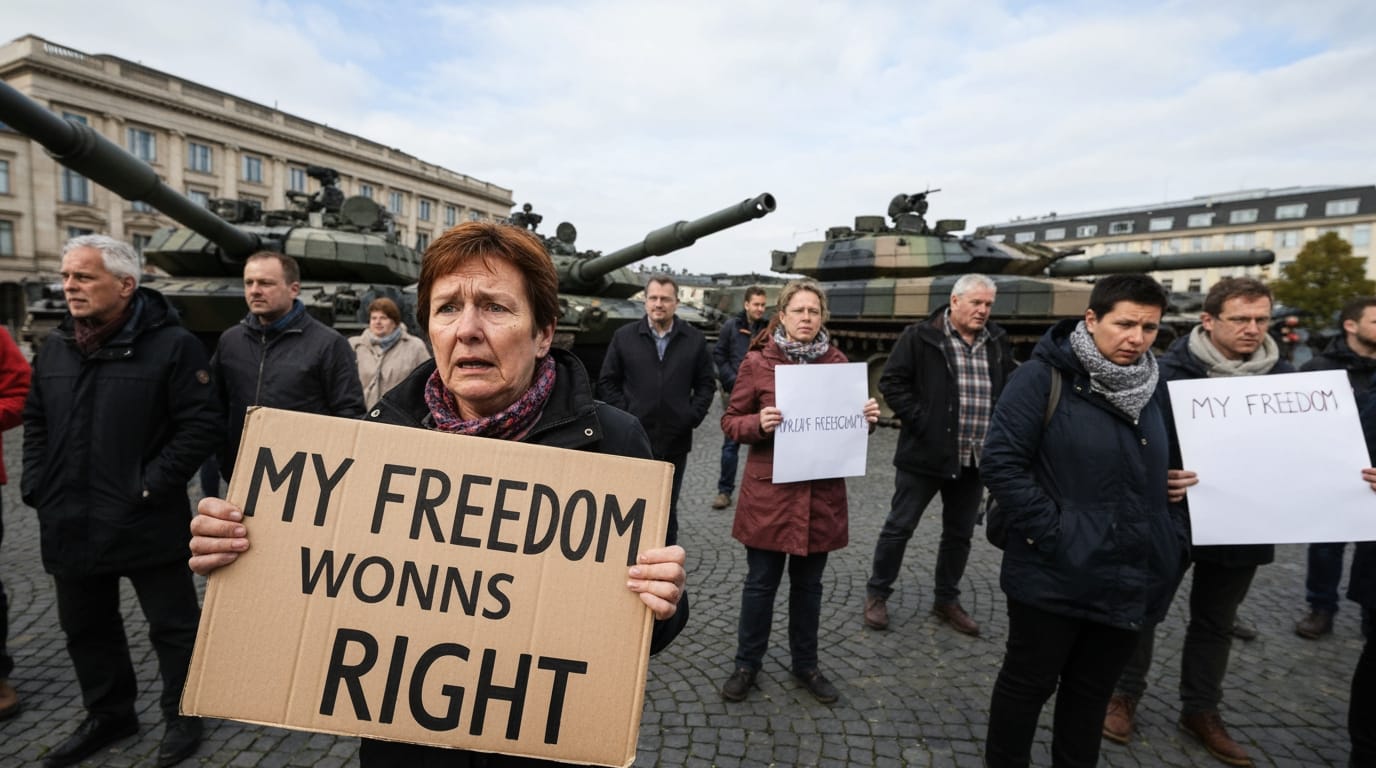
Germany, long a bastion of post-war pacifism, is undergoing a profound military transformation in response to an altered geopolitical landscape, a shift dubbed "Zeitenwende" or "turning point." This rapid reorientation towards heightened defense capabilities, spurred by Russia's invasion of Ukraine, has triggered substantial debate within the nation, particularly concerning its potential impact on fundamental civil liberties and democratic norms. While proponents underscore the urgent need for national security and international stability, a growing chorus of critics warns that certain measures could erode basic rights that have underpinned German society for decades.
The 'Zeitenwende' and a New Military Posture
Chancellor Olaf Scholz declared the "Zeitenwende" in February 2022, signaling an end to Germany's decades-long military restraint and an embrace of a more assertive defense policy. This strategic pivot involves significant increases in defense spending, aiming to meet NATO's target of allocating 2% of its Gross Domestic Product (GDP) to defense. Germany’s defense budget is projected to rise from an estimated €86 billion in 2025 to €152 billion by 2029, with ambitions to reach 5% of GDP by 2035, including 3.5% for core military funding. An initial €100 billion special fund was established to modernize the Bundeswehr, which was widely recognized as ill-equipped and suffering from outdated technology.
Beyond financial commitments, the transformation includes an ambitious plan to expand troop levels. The Bundeswehr aims to increase its active personnel from approximately 180,000 to 260,000 soldiers and bolster its reservist numbers to 200,000 by 2035. This military buildup is not solely focused on external defense; a €10 billion package is also being invested in civil defense, including new bunkers, emergency shelters, and advanced warning systems, reflecting a broader concern for national resilience in an era of heightened threats. These measures mark a historic departure from Germany's post-World War II identity, which was largely built on soft power, diplomacy, and economic strength, and signal a readiness to assume a more central military role in Europe.
Looming Shadows Over Civil Liberties
The accelerating pace of Germany's re-militarization has not been without controversy, particularly regarding its implications for civil liberties. A key flashpoint is the new Military Service Modernization Act, which took effect in early 2026. This legislation mandates that all 18-year-old men complete a questionnaire assessing their suitability and interest in military service. From July 2027, men born in 2008 and after will also be required to undergo mandatory medical evaluations to ascertain their potential as recruits. While the system currently remains voluntary, critics perceive these steps as a gradual reintroduction of conscription, which was suspended in Germany in 2011.
Even more contentious is a clause within the new law that requires men aged between 18 and 45 to seek military approval before traveling abroad for more than three months. This provision has ignited widespread protest, with many viewing it as a significant restriction on freedom of movement – a fundamental right in democratic societies. Protesters, including student groups, have taken to the streets, arguing that such requirements infringe upon personal freedoms and represent an unwelcome expansion of state control into civilian life. The government justifies this measure as necessary to track potential conscripts' whereabouts should a national emergency necessitate a broader call-up.
Furthermore, recent legislative changes have raised concerns about the blurring lines between civilian and military functions within Germany. Amendments to the Aviation Security Act, enacted in March 2026, now permit the deployment of the Bundeswehr within Germany for drone defense, particularly around airports and critical infrastructure. For decades after World War II, the domestic deployment of armed forces was largely prohibited due to historical experiences with Nazi repression, making this a significant shift with potential implications for civil liberties and the traditional role of the military in a democratic society.
Voices of Dissent and Growing Public Debate
The changes have been met with robust opposition from various segments of German society. Organizations like Amnesty International have voiced concerns, citing a broader pattern of legislative changes that systematically restrict fundamental rights. Their critiques point to issues such as increased surveillance powers, potential for police violence against demonstrators, and the suppression of critical voices in academic settings, arguing these measures are less about security and more about suppressing opposition to rearmament.
Student-led initiatives, such as the "School Strike Against Conscription Initiative," have organized nationwide protests, drawing thousands to demonstrate against the new military service law. Slogans like "Never again war! Never again fascism! Never again conscription!" reflect deep-seated historical sensitivities and a fear that Germany is abandoning its anti-militarist past. Young people express concerns about being considered "cannon fodder" in future conflicts.
Experts and commentators have also weighed in, with some warning that the focus on rearmament could lead to a less critical engagement with human rights issues. Podcasters and journalists have highlighted how the once-sacred public debt limits have been dropped for military spending, a measure once deemed impossible. This collective scrutiny underscores a vibrant, albeit often contentious, public debate on how Germany can balance its newfound security imperatives with its foundational commitment to democratic values and civil liberties.
Government's Rationale and the Path Forward
In response to these concerns, the German government consistently frames its defense initiatives as essential for national security and international stability in a volatile world. Officials emphasize that the "Zeitenwende" is not a return to historical militarism but a necessary adaptation to a changed security environment, driven primarily by Russia's aggression in Ukraine. They argue that strengthening the Bundeswehr and meeting NATO obligations are crucial for collective deterrence and the protection of democratic values in Europe.
Proponents contend that Germany's modernization efforts are firmly integrated within collective European and transatlantic security structures, subject to democratic oversight, and fundamentally different from the unilateral militarization of earlier historical periods. The government maintains its commitment to upholding democratic principles while enhancing defense capabilities, highlighting the importance of transparent procurement processes and a well-regulated military. Defence Minister Boris Pistorius has stressed the need for civil protection to develop alongside military capability, acknowledging the interconnectedness of security and societal resilience.
The journey toward a modernized German defense, while necessary in the eyes of many, is fraught with challenges, including internal issues within the Bundeswehr such as reports of abuse and discrimination that could hinder recruitment goals.
Conclusion
Germany's "Zeitenwende" represents a momentous shift, moving the nation away from decades of military reticence toward a proactive defense posture. This reorientation, while deemed essential for national and European security in a complex geopolitical landscape, has ignited significant debate about the preservation of fundamental civil liberties. The balance between the imperative to secure the nation against external threats and the responsibility to protect the freedoms and rights of its citizens is a delicate one. As Germany navigates this historic transformation, the ongoing discourse, protests, and legislative scrutiny underscore the critical importance of maintaining democratic oversight and ensuring that security measures do not inadvertently undermine the very liberties they are intended to protect. The coming years will reveal how Germany manages this intricate balance, shaping not only its own future but also the broader security architecture and democratic values of Europe.


