South Africa's Xenophobia Crisis Deepens as Government Response Draws International Condemnation
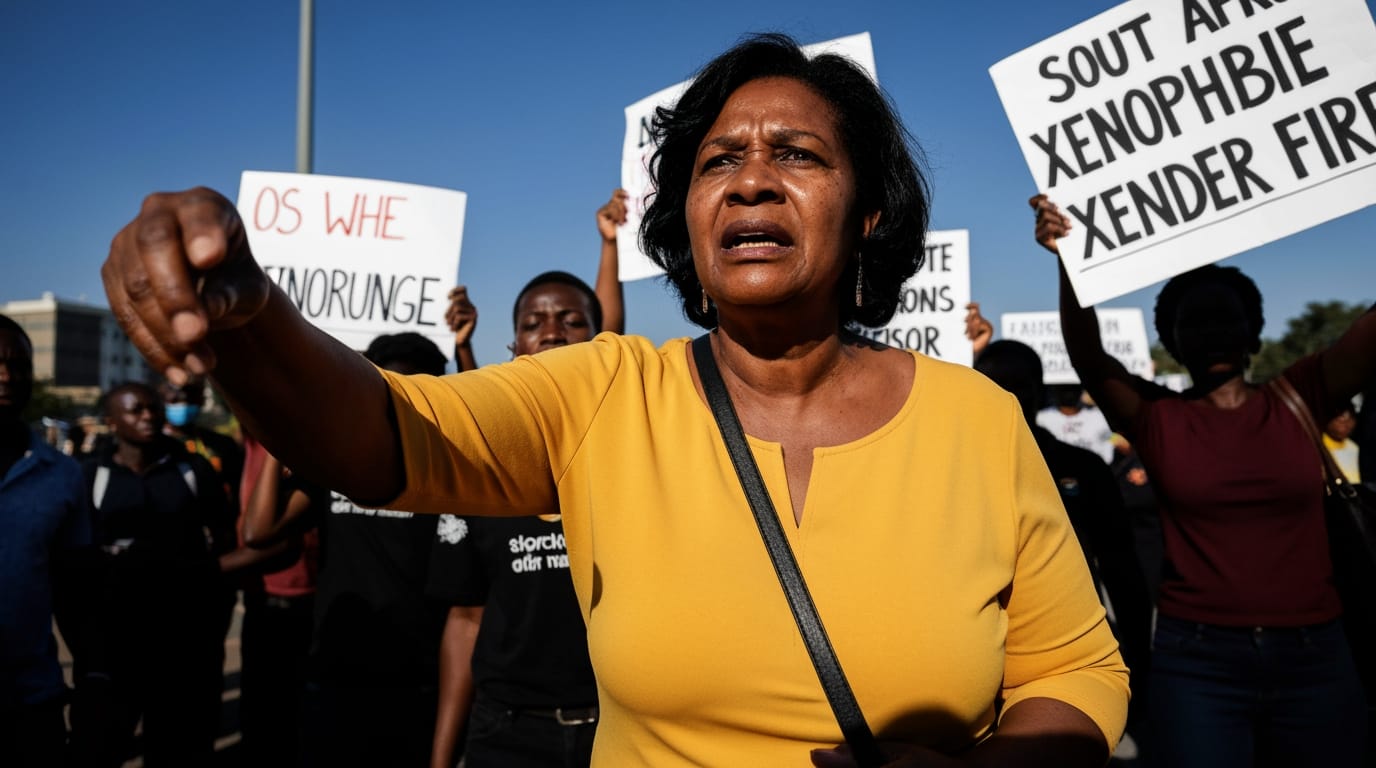
Johannesburg, South Africa – South Africa is once again grappling with a severe resurgence of xenophobic violence, as fresh waves of attacks targeting foreign nationals sweep across major cities in April and May 2026. This latest surge, fueled by economic anxieties and often amplified by organized anti-immigrant groups, has cast a harsh spotlight on the government's perceived inaction and inadequate response, drawing sharp criticism from international bodies, human rights organizations, and local civil society. As foreign nationals face escalating intimidation, displacement, and violence, the enduring crisis threatens social cohesion and South Africa's standing on the global stage.
A Recurrent Nightmare: The Latest Wave of Violence
The recent escalation has seen vigilante groups, such as the "March and March" movement, organize demonstrations advocating for stricter immigration enforcement in urban centers like Pretoria, Johannesburg, and Durban. These demonstrations have tragically devolved into violent and, in some instances, fatal attacks against African and Asian foreign nationals. Reports indicate that the United Nations Secretary-General António Guterres expressed grave concerns in late April over the reported xenophobic harassment, discrimination, and attacks. The Ghanaian government has reportedly begun evacuating its citizens from South Africa amidst intensifying threats, underscoring the severity and widespread fear gripping migrant communities.
These current events echo a dark history of xenophobic violence in post-apartheid South Africa, a phenomenon that has tragically claimed hundreds of lives and displaced tens of thousands since 1994. Major outbreaks in 2008 and 2015, followed by intermittent violence in 2019 and 2021-2022, have established a concerning pattern of attacks against foreign nationals, particularly those from other African countries. Perpetrators often scapegoat foreign nationals for the country's severe socio-economic challenges, including a recent unemployment rate exceeding 43 percent, poor service delivery, and high crime rates, despite studies disproving these claims.
Deep-Seated Roots: Economic Strain and Social Fractures
The roots of xenophobia in South Africa are complex and deeply intertwined with the nation's socio-economic landscape and historical legacy. While discriminatory attitudes existed prior to 1994, the incidence of xenophobia surprisingly increased after the transition to democracy, confounding initial expectations. This post-apartheid surge has been attributed to a confluence of factors, including persistent economic insecurity, intense competition for scarce resources such as jobs and housing, and the perception that foreign nationals burden public services.
Scholars highlight that a legacy of racial division and an inherited culture of violence, coupled with ongoing structural inequalities, create fertile ground for hostility towards outsiders. The failure to distinguish between different categories of migrants, often fueled by misinformation, leads to a generalized animosity towards all Black foreigners, frequently labeled as "illegals." Furthermore, politicians and public figures have at times incorrectly linked immigrants to criminal activity, further fueling negative sentiment. A 2018 Pew Research poll revealed that 62% of South Africans held negative sentiments about foreign nationals, believing they are a burden on society and contribute to crime, illustrating the widespread nature of these perceptions.
Government Under Scrutiny: Promises Versus Reality
The South African government's response to the ongoing xenophobia has consistently been a point of contention and a source of considerable criticism. While President Cyril Ramaphosa and other officials have publicly condemned the violence, asserting that the attacks do not reflect South Africa's values or policies, critics argue that these condemnations are often not matched by effective, concrete action on the ground.
Civil society organizations and international observers frequently point to a historical pattern of delayed and insufficient government intervention, characterized by poor coordination and a perceived lack of national leadership in addressing outbreaks. Operations ostensibly aimed at combating crime, such as "Operation Fiela," have been criticized for disproportionately targeting foreign nationals for mass arrests and deportations, rather than addressing the underlying issues of xenophobia. Moreover, a significant concern is the consistent failure to investigate effectively, prosecute perpetrators, and hold individuals accountable for inciting violence.
Issues within the Department of Home Affairs, including bureaucratic dysfunction and relaxed immigration policies, have also been cited as factors exacerbating tensions and contributing to the influx of migrants from other African countries. While the government developed a National Action Plan to Combat Racism, Racial Discrimination, Xenophobia, and Related Intolerance in 2019, its implementation and adequate resourcing remain critical challenges. Adding to the complexity, the period leading up to elections has seen an increase in xenophobic political rhetoric, with parties exploiting public frustrations and shifting blame onto migrants for the country's social ills.
International Outcry and the Call for Accountability
The international community, alongside a vocal network of civil society organizations within South Africa, has consistently raised alarms about the country's xenophobia crisis. UN experts, for example, condemned escalating violence in July 2022, urging accountability for xenophobia, racism, and hate speech. They warned that without urgent action, South Africa was "on the precipice of explosive violence." Similarly, Human Rights Watch recently noted the "little or insufficient apparent response from the police and other authorities" to the violent xenophobic attacks in recent weeks. The African Commission on Human and Peoples' Rights has also called on the South African government to investigate violence against foreign nationals, ensure accountability, and provide access to justice and protection.
Local organizations, including the Equal Education Law Centre and Kopanang Africa Against Xenophobia (KAAX), have accused anti-immigration groups like "March and March" and "Operation Dudula" of exploiting socio-economic frustrations to orchestrate xenophobic violence. These groups often leverage social media to disseminate anti-immigrant narratives and organize protests, bridging online and offline mobilization. Civil society actively provides aid, legal assistance, and advocates for the rights of foreign nationals, even securing injunctions to prevent groups like Operation Dudula from blocking migrants' access to healthcare facilities. International bodies and NGOs consistently remind South Africa of its constitutional and international obligations to protect the human rights, dignity, and equality of all individuals within its borders, regardless of their citizenship or migration status.
A Future Built on Inclusion or Division?
The persistent and increasingly violent xenophobia in South Africa poses a profound challenge to the nation's democratic values and its vision of an inclusive society. While the government issues condemnations, the consistent criticism from both domestic and international fronts highlights a critical gap between rhetoric and effective implementation of protective measures and long-term solutions. The human cost of this crisis, marked by displacement, loss of livelihoods, and lives, remains immense and deeply troubling.
Addressing xenophobia requires a multi-faceted approach that extends beyond episodic interventions. It demands a sustained commitment to investigating and prosecuting perpetrators, strengthening migration policies, addressing the underlying socio-economic inequalities that fuel resentment, and actively countering xenophobic narratives. Without a comprehensive and well-resourced strategy, the cycle of violence and the resulting human suffering are likely to continue, jeopardizing South Africa's social fabric and its moral standing as a beacon of democracy in Africa.


