Shifting Sands: New Alliances Reshape Middle East Power Dynamics
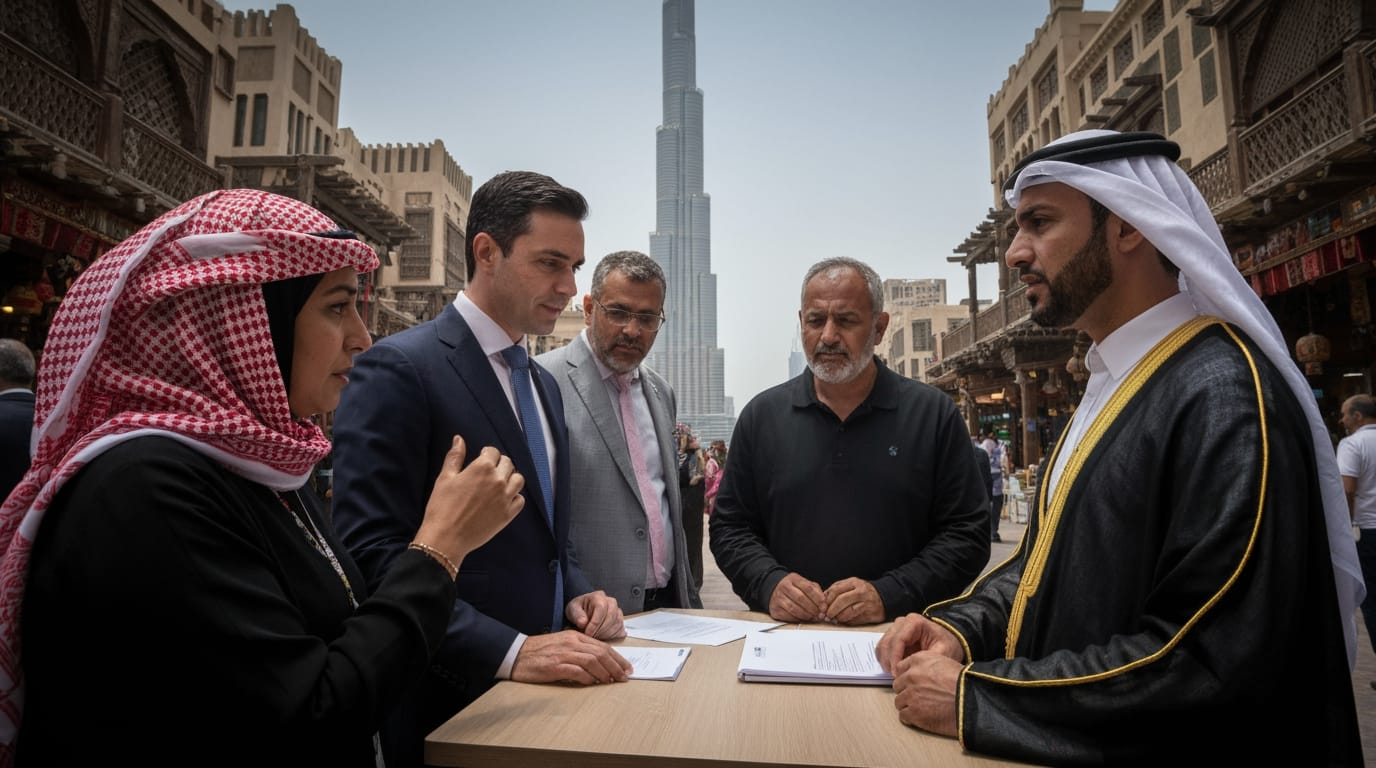
The geopolitical landscape of the Middle East is undergoing a profound transformation, marked by the emergence of complex new alliances and the recalibration of long-standing relationships. Driven by evolving security threats, economic imperatives, and a discernible shift away from traditional reliance on external powers, regional actors are forging partnerships that are fundamentally reshaping the strategic balance. This intricate web of alignments suggests a region in flux, where states are actively seeking to secure their interests and project influence in an increasingly multipolar world.
The Abraham Accords and the Israel-Arab Alignment
A significant development in recent years has been the formalization of ties between Israel and several Arab nations through the Abraham Accords. Signed in 2020, these bilateral agreements initially normalized relations between Israel, the United Arab Emirates (UAE), and Bahrain, later expanding to include Morocco and Sudan. The accords represent a strategic realignment, driven primarily by a shared perception of Iran as a regional threat and a mutual desire for economic cooperation and technological exchange.
The normalization has fostered new bilateral business partnerships, leading to increased investment and economic opportunities. For instance, trade between Israel and the UAE saw a substantial increase, growing from $50.8 million in the first seven months of 2020 to $613.9 million in the same period of 2021. Beyond economics, the Accords have facilitated greater security coordination, particularly in counter-intelligence against Iranian activities and in developing a regional air defense network. In April 2024, the UAE and other Arab states reportedly assisted in intercepting Iranian drones and missiles aimed at Israel, demonstrating a tangible willingness for concrete cooperation against shared threats. Experts suggest that an emerging alignment between Israel, the UAE, and India is further strengthening, bound by shared defense and economic interests, reflecting a move by Middle Eastern partners away from sole reliance on American leadership. This collaboration leverages India's market size, Israel's dynamic technological economy, and the UAE's position as a regional hub.
The Enduring "Axis of Resistance"
In stark contrast to the Abraham Accords lies the Iran-led "Axis of Resistance," a loosely aligned network of armed groups and state actors dedicated to projecting Iran's influence and countering the interests of the United States, Israel, and Saudi Arabia in the region. This network comprises a diverse array of groups, including Hezbollah in Lebanon, Hamas and Palestinian Islamic Jihad in the Palestinian territories, the Houthi movement in Yemen, and various Shi'ite militias in Iraq and Syria.
Iran supports these proxies through its Quds Force, providing military, financial, and logistical assistance. While Tehran maintains varying levels of control, the groups largely share key objectives, such as the expulsion of American influence from the Middle East and opposition to Israel. The "Axis of Resistance" operates as a key component of Iran's "forward defense" strategy, aiming to prevent conflict on Iranian soil by using proxy forces abroad. This network has demonstrated increased coordination, with reports indicating a joint operations center in Beirut facilitating collaboration among Hezbollah, the Islamic Revolutionary Guard Corps, Hamas, and other members.
Intra-Arab Dynamics and Emerging Blocs
The broader Arab world is also witnessing significant shifts, including efforts toward reconciliation within the Gulf Cooperation Council (GCC) and the formation of new, more pragmatic alliances. The resolution of the Gulf crisis in January 2021, which saw Saudi Arabia, the UAE, Bahrain, and Egypt restore diplomatic relations with Qatar after a three-and-a-half-year blockade, signaled a move towards mending intra-Arab fissures. This reconciliation, facilitated by mediation efforts, aimed to rebuild confidence within the GCC as a regional institution.
Beyond the GCC, new power configurations are emerging. There is discussion of a potential "Mogadishu axis" comprising Saudi Arabia, Turkey, Egypt, and Pakistan. This grouping is reportedly driven by a desire to balance Iran's power and reduce dependence on Western powers, with an emphasis on security, diplomacy, and economic cooperation. Each member brings distinct strengths, such as Turkey's military prowess, Saudi Arabia's financial power, and Pakistan's significant military capabilities. This emerging bloc is seen as distinct from a "Berbera axis," which reportedly includes the UAE, Israel, and Ethiopia, focusing on countering Islamist influences and asserting regional military strength. These differing alignments highlight the complex and sometimes competitive nature of regional interests even among traditionally allied states.
External Powers: Russia and China's Growing Footprint
The evolving Middle Eastern landscape is further complicated by the increasing engagement of external powers, particularly Russia and China, both seeking to expand their influence and challenge the long-standing unipolar dominance of the United States.
Russia has bolstered its presence through military intervention, political support for specific states like Syria and Iran, and arms sales. Its intervention in the Syrian civil war solidified its role as a key player and established a permanent foothold in the Mediterranean. China, on the other hand, primarily focuses on economic investments and trade, particularly through its Belt and Road Initiative. It has become a major trading partner for many Gulf states, leveraging long-term energy deals and infrastructure projects to build influence. While their approaches differ, both Russia and China share an interest in limiting U.S. power and maintaining relations with various regional actors, often coordinating policies to that end. Their growing presence offers Middle Eastern nations alternative partners, potentially reducing their reliance on traditional Western alliances.
Conclusion: A Multipolar Future
The Middle East is navigating a complex and dynamic era, where the traditional regional order is continuously being redefined by new alliances and evolving geopolitical realities. From the Abraham Accords fostering new Arab-Israeli partnerships to the enduring cohesion of the Iran-led Axis of Resistance, and the intricate intra-Arab realignments, the region is characterized by a fluid, multipolar system. The increasing engagement of global powers like Russia and China further complicates this picture, offering alternative avenues for partnership and challenging existing power structures.
The question of which alliance will ultimately "win" remains open, as success is likely to be multifaceted and contextual. Economic prosperity, enhanced security against perceived threats, and increased regional stability are all objectives these alliances pursue. However, the diverse and often conflicting interests at play suggest that the Middle East will continue to be a region of both cooperation and intense competition, with its future shaped by the delicate balance and strategic maneuvering of these emerging power blocs.


