Germany's Population Shrinks: A Critical Turning Point Amidst Widening Birth Deficit and Dwindling Migration
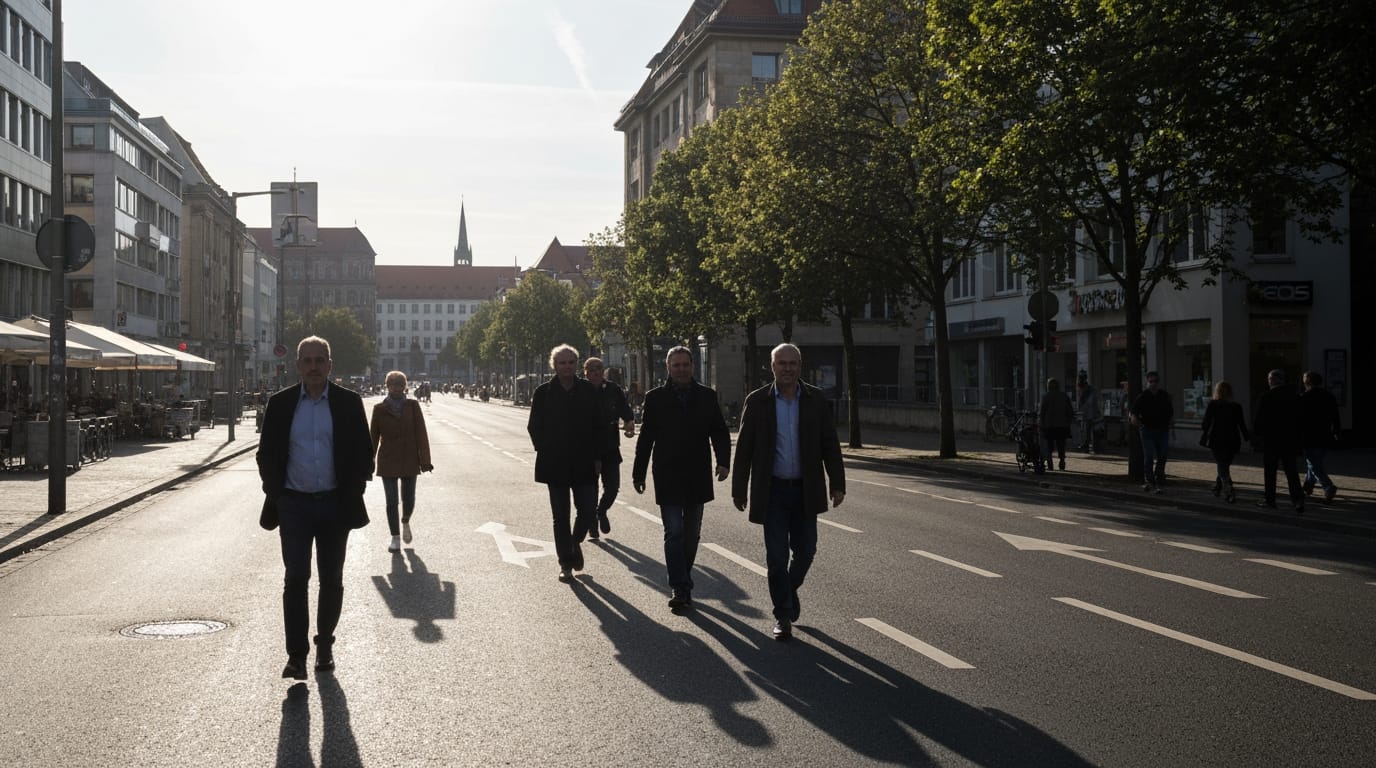
Germany's population experienced its first decline since 2020 last year, a development signaling deepening demographic challenges for Europe's largest economy. The Federal Statistical Office (Destatis) reported a decrease of approximately 100,000 people in 2025, bringing the total population to 83.5 million. This reversal marks a critical juncture, as a widening gap between births and deaths, coupled with a significant reduction in net migration, converged to outweigh the growth seen in preceding years.
The Latest Decline: A Stark Reality
The decline in 2025 stands in contrast to recent trends. Following a previous dip in 2020, largely attributed to reduced immigration during the initial phase of the COVID-19 pandemic, Germany's population had seen modest increases. In 2023, the population grew by 340,000, followed by a further increase of 100,000 in 2024, primarily driven by substantial net migration, including a significant influx of refugees from Ukraine. However, the figures for 2025 indicate that these migratory gains were insufficient to offset the nation's persistent natural population loss. This marks the first time since 2020 that net migration could not compensate for the deficit between births and deaths. The country's population, standing at roughly 83.5 million at the end of last year, reflects this subtle yet significant shift.
The Widening Gap: Births, Deaths, and a Persistent Deficit
A fundamental factor contributing to Germany's population shrinkage is the enduring imbalance between births and deaths. Since the reunification of Germany in 1990, the number of deaths has consistently surpassed the number of births. This long-standing "birth deficit" has expanded considerably in recent years. In 2025, preliminary estimates indicate that between 640,000 and 670,000 births occurred, while over 1 million deaths were recorded. This resulted in a natural population loss ranging from 340,000 to 360,000 people. The severity of this deficit has accelerated, consistently exceeding 300,000 annually since 2022, a notable increase from the average of approximately 170,000 per year observed throughout the 2010s. Germany's total fertility rate in 2023 was recorded at 1.38, substantially below the 2.1 rate required for generational replacement, underscoring the deep-seated nature of this demographic trend.
Migration's Diminishing Role
Historically, robust net migration has served as a crucial buffer, frequently offsetting Germany's natural population decline. However, 2025 saw a notable weakening of this safety valve. Net migration—the difference between people entering and leaving the country—is estimated to have fallen to between 220,000 and 260,000 people. This represents a decrease of at least 40 percent compared to the 2024 figure of 430,183. The last time migration levels were similarly low was in 2020, during the height of the pandemic, when widespread travel restrictions significantly curtailed cross-border movement. This recent slowdown in migratory inflows, for the first time in several years, was insufficient to counter the significant natural population loss, directly contributing to the overall population decrease. The average annual net migration from 1990 to 2024 stood at 356,000 people, highlighting the recent decline as being below the long-term average.
Deeper Implications: An Aging Society and Economic Strain
Germany has long grappled with the implications of an aging society and a shrinking workforce, issues exacerbated by the latest population data. Experts project that the working-age population is set to decline dramatically, with estimates suggesting a reduction of 4.3 million by 2036, and potentially over 5 million, or 10 percent, by 2040. This demographic shift poses significant challenges for Germany's economic prosperity and the sustainability of its welfare state. The impending retirement of the "baby boomer" generation is expected to create substantial labor market gaps, impacting various sectors from healthcare to manufacturing.
The ongoing need for hundreds of thousands of skilled immigrants each year to mitigate these challenges remains a pertinent issue. However, the current political landscape and economic outlook could influence future migration trends. Reports indicate that net migration might remain subdued due to a clouded economic outlook and shifts in government migration policy, with some political factions prioritizing tougher immigration measures. This situation underscores a growing mismatch between demographic realities and potential policy responses.
Conclusion
Germany's recent population decline in 2025 is more than a statistical anomaly; it is a clear indicator of persistent and intensifying demographic pressures. The combined impact of a widening birth-death deficit and diminished net migration has created a complex challenge. As the nation faces an accelerating aging trend and a projected significant shrinkage of its working-age population, the implications for its economy, social security systems, and overall societal structure are profound. Addressing these intertwined demographic forces will require comprehensive strategies, potentially encompassing both family policies to encourage higher birth rates and adaptive immigration policies to sustain Germany's economic vitality and social cohesion in the years to come.


